How to Reduce Energy Costs With an Eco-Friendly Cold Storage Rental
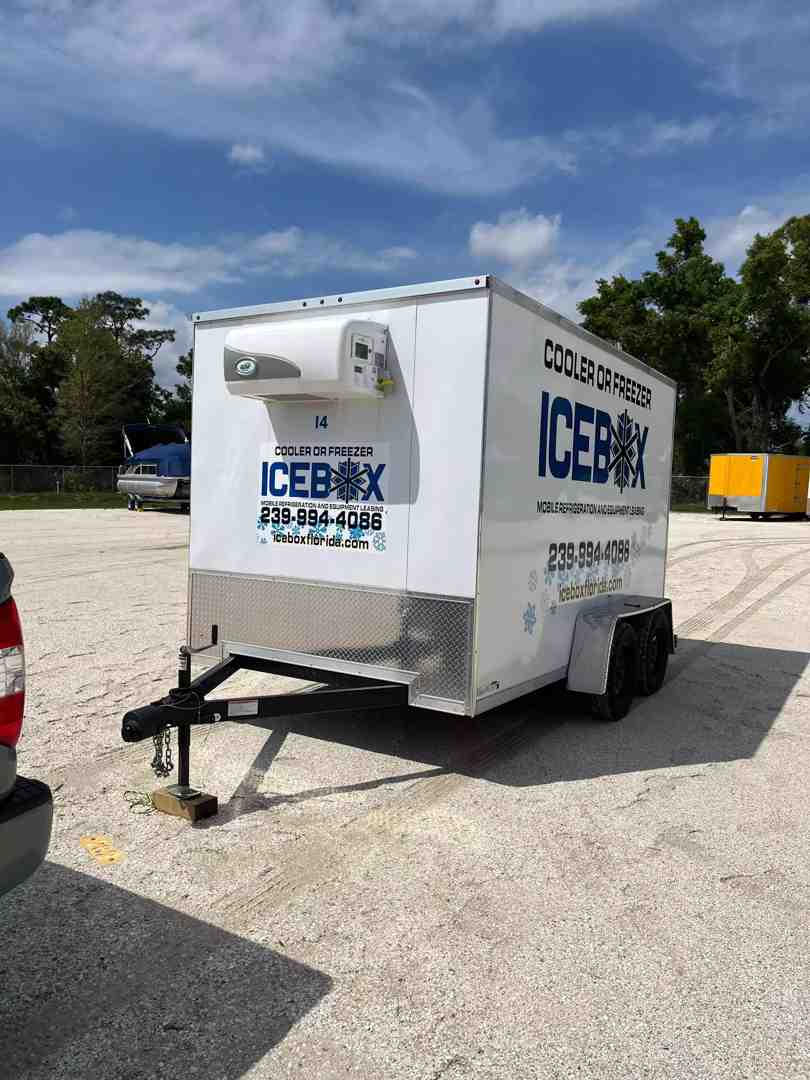
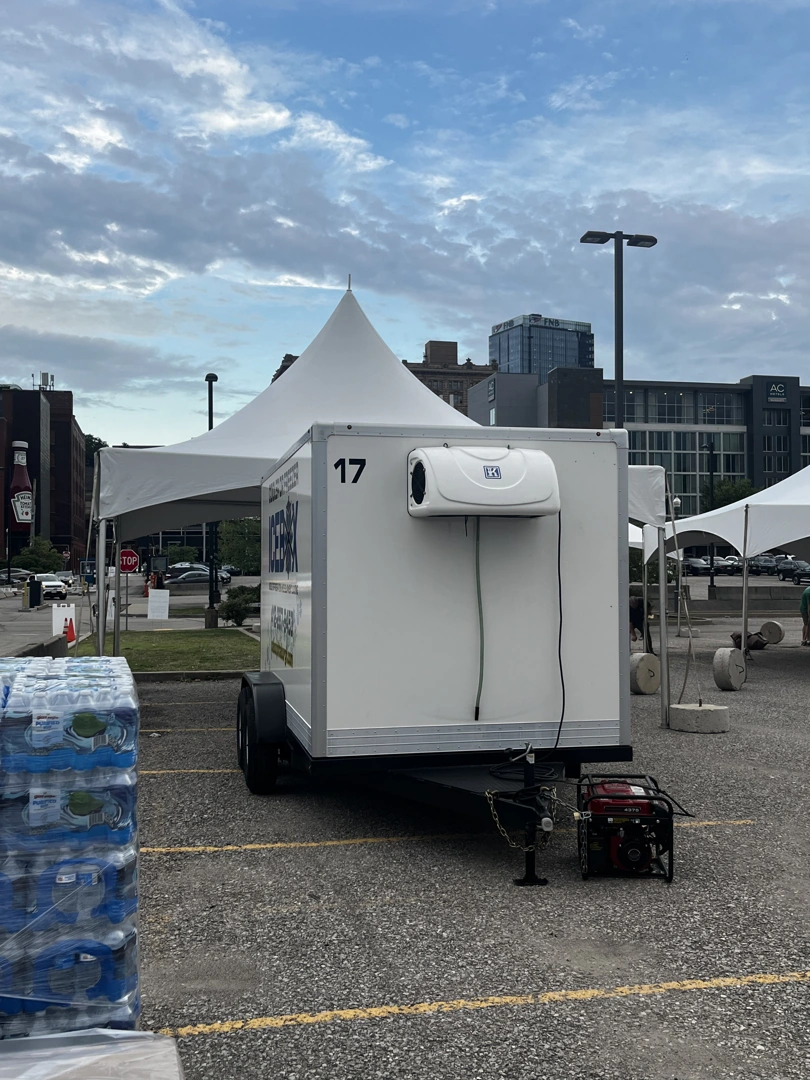
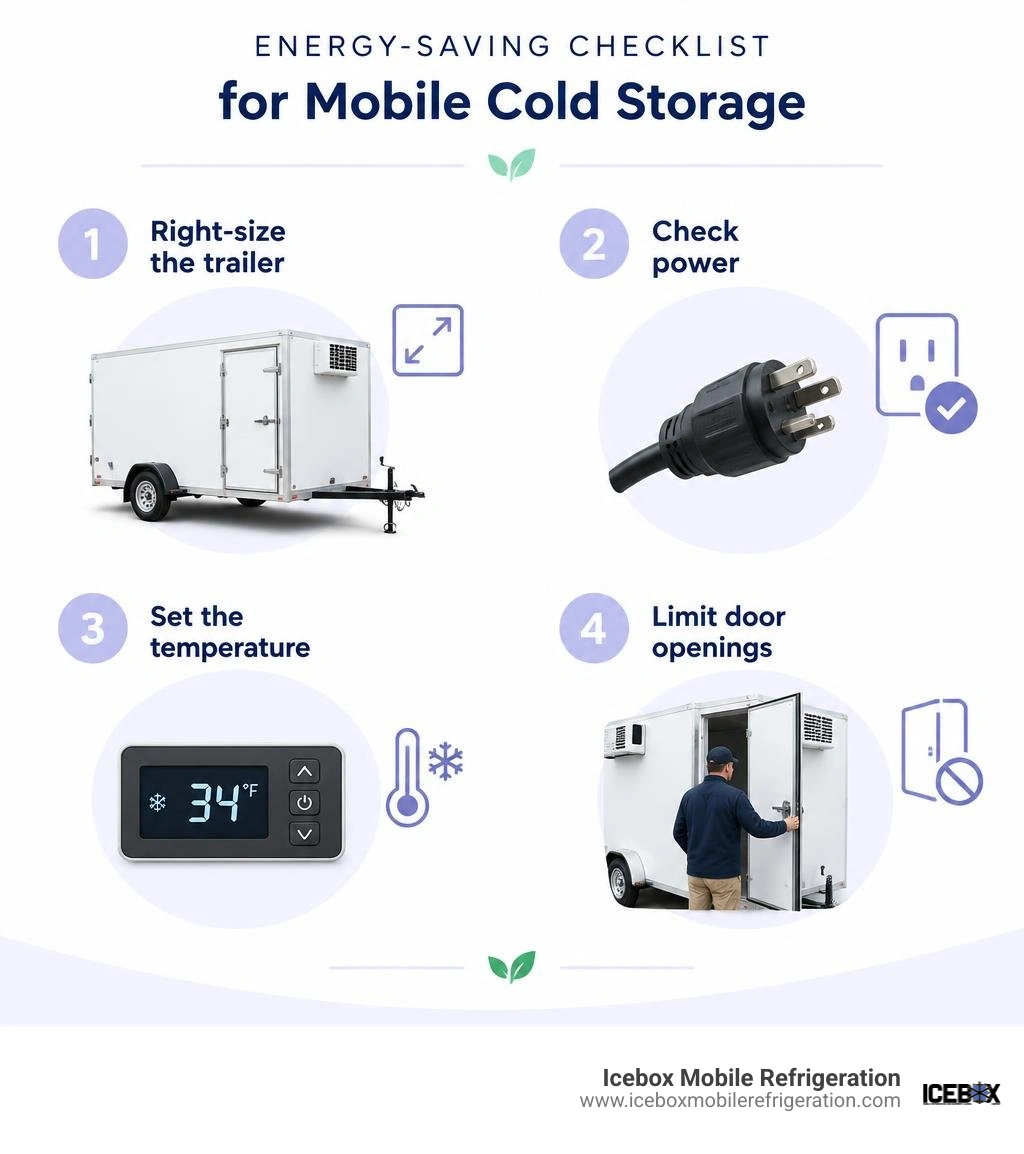
An eco-friendly cold storage rental to reduce energy costs begins with a trailer sized for the inventory, a confirmed power source, and a temperature setting that matches the products being stored. Plan loading and retrievals to minimize door openings, and keep space around stored items so chilled air can move freely. These practical choices reduce unnecessary compressor runtime while helping protect perishable inventory.
For an event or an unexpected cold storage need, renting a mobile cooler trailer or mobile freezer trailer also avoids buying equipment for short-term use. Icebox Mobile Refrigeration offers easy-to-set-up, 110-volt walk-in trailers and 24-hour emergency service; contact the team for a rental quote.
Alexander Palmiere, owner of an Icebox Mobile Refrigeration franchise, brings a finance background and mobile refrigeration experience to this guide. His work focuses on helping commercial, event, and emergency customers prepare temporary on-site cold storage with appropriate trailer selection, electrical setup, temperature settings, and daily operating practices. The guidance reflects Icebox Mobile Refrigeration's delivered 110-volt walk-in trailer service and 24-hour emergency support across its East Coast markets when needed.
Related guides:
How to Choose an Energy-Efficient Cold Storage Rental
Selecting the right temporary refrigeration solution requires evaluating how design choices directly impact your electric utility expenses. When you manage catering events, institutional food services, or emergency inventory overflow, inefficient equipment can cause substantial spikes in energy bills.
Modern mobile cold storage relies on high-efficiency components and superior thermal integrity to ensure reliable holding temperatures while keeping power consumption minimal. By taking a proactive approach to equipment selection, businesses can safeguard inventory and cut down on waste.
Key Efficiency Features in an Eco-Friendly Cold Storage Rental to Reduce Energy Costs
Thermal performance starts with structural construction. Advanced polyurethane insulated panels prevent thermal bridging, allowing the refrigeration system to cycle off more frequently once it reaches its setpoint.
Key electrical and mechanical features include:
- Soft-Start Compressors: Traditional cooling compressors create large electrical spikes upon startup. Soft-start technology eases mechanical strain and smooths electrical draw, preventing surge charges.
- Power Factor Correction: Modern cooling units optimize the ratio of working power to apparent power, maximizing electrical efficiency.
- Interior LED Fixtures: Low-voltage LED lighting generates minimal ambient heat inside the trailer, eliminating unnecessary thermal load on the cooling unit.
Understanding energy efficiency strategies in cold storage allows operators to optimize cooling cycles without overworking equipment. Our units are built as dedicated 110-volt walk-in cooler models that connect seamlessly to existing commercial electrical infrastructure.
| Trailer Specification | Voltage / Circuit Requirement | Operational Temperature Range | Efficiency Feature |
|---|---|---|---|
| Standard Mobile Cooler Trailer | 110V / 15-20 Amp Dedicated | 34°F to 50°F | Digital cycling, seamless insulation |
| Standard Mobile Freezer Trailer | 110V / 20 Amp Dedicated | Down to 0°F | Rapid pull-down, high-efficiency seal |
| Dual-Temp Portable Unit | 110V / 20 Amp Dedicated | Configurable (0°F to 50°F) | Dual-zone thermal barrier curtains |
Calculating Power Demands and Electrical Compatibility for On-Site Units
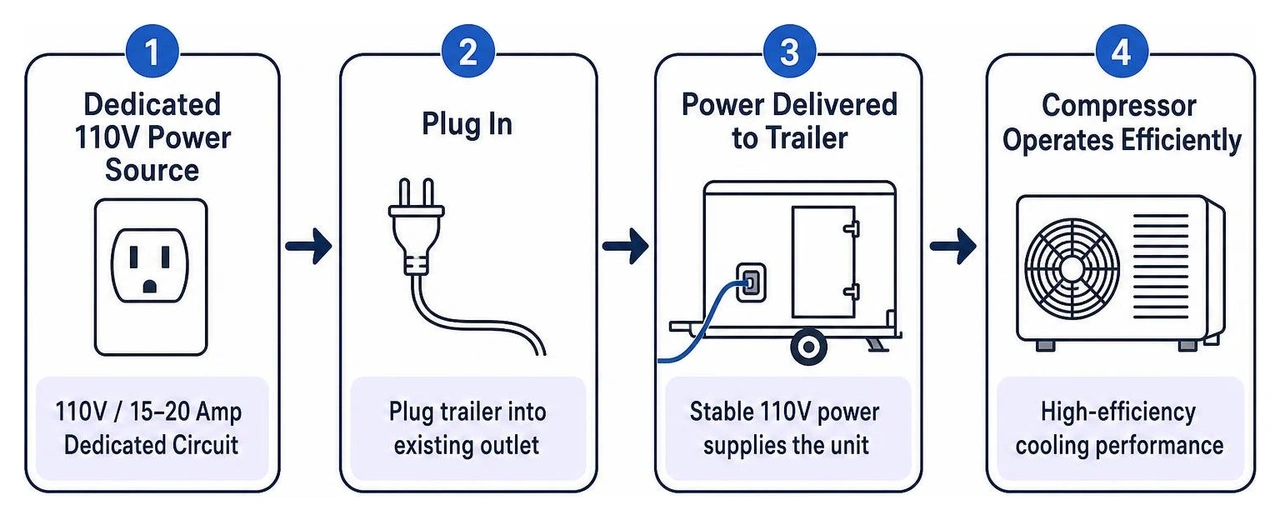
Operating on-site mobile cold storage should not require costly electrical overhauls or loud, fuel-burning generators. By utilizing standard 110-volt, 15-to-20-amp dedicated circuits, businesses can plug trailers directly into existing building power. This setup eliminates generator emissions, reduces site noise, and avoids high fuel expenses.
Before your rental arrives, review all refrigerated trailer power requirements to confirm your outlet is on a dedicated line without shared equipment. Selecting efficient electric mobile refrigeration trailer options ensures stable power draw without tripping breakers or wasting electricity during peak operating hours.
Best Operational Practices for an Eco-Friendly Cold Storage Rental to Reduce Energy Costs
Even the most efficient mobile unit will consume excess electricity if operational habits allow cold air to escape. Maintaining proper daily procedures keeps utility costs low:
- Maintain Tight Door Seals: Inspect door gaskets daily for frost accumulation or cracks that compromise airtight performance.
- Utilize Vinyl Strip Curtains: Ensure heavy-duty PVC strip curtains remain in place whenever staff enter or exit the trailer.
- Organize for Interior Airflow: Never stack boxes flush against the walls or evaporator fan; keep paths clear so chilled air circulates evenly.
- Pre-Cool Product When Feasible: Avoid loading warm or ambient goods in large batches, as this forces the compressor to run continuously to pull down internal temperatures.
- Group Inventory Retrievals: Schedule staff access to retrieve multiple items in single trips rather than opening doors frequently throughout the shift.
Maximizing On-Site Operational Efficiency and Sustainable Temperature Management
Maintaining strict temperature control across temporary setups protects product freshness, regulatory compliance, and bottom-line profit margins. Sustainable management balances precise refrigeration demands with minimal power draw. Research into heat transfer optimization and commercial refrigeration highlights how controlled door management and airtight insulation significantly reduce refrigeration system duty cycles.
Implementing Smart Monitoring and Temperature Management Protocols
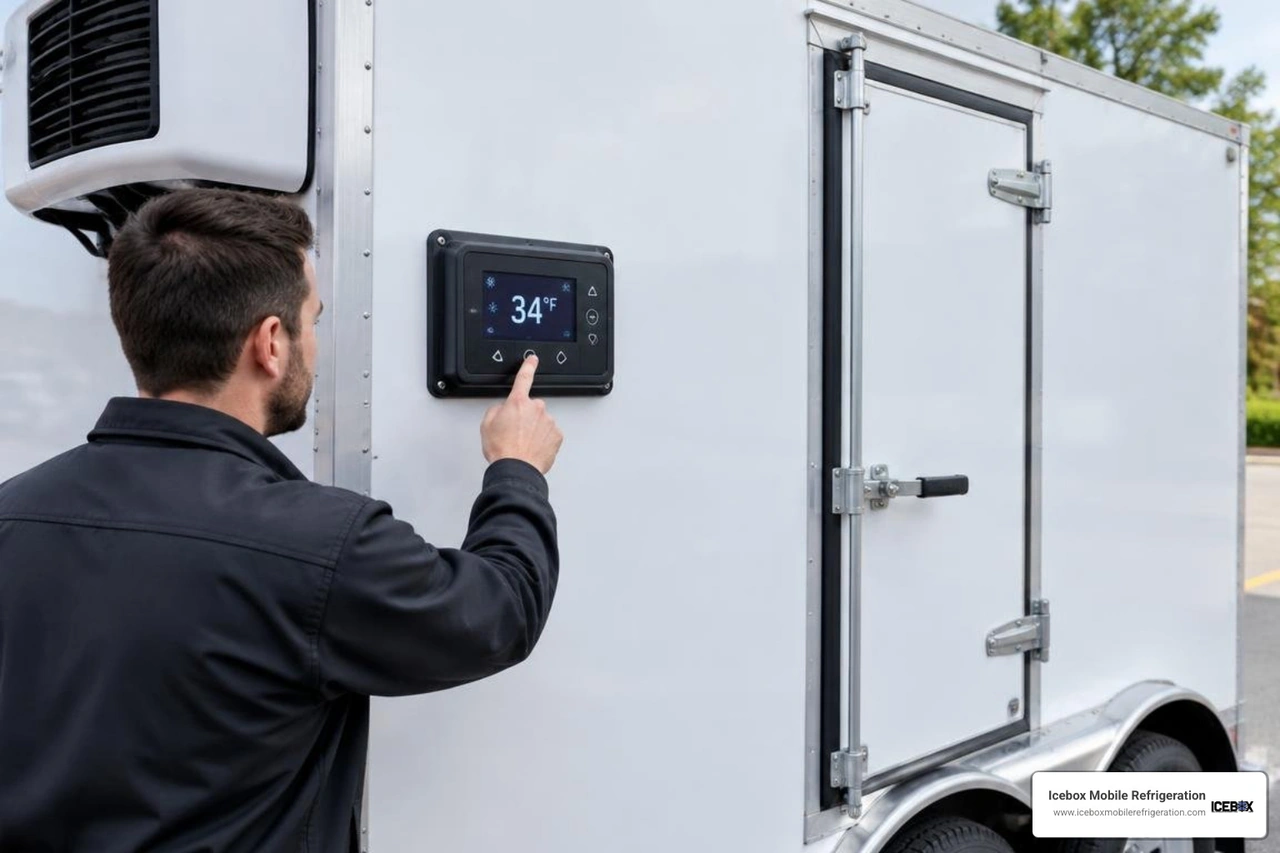
Modern digital temperature controllers protect inventory from thermal degradation while avoiding overcooling. Automated defrost cycles prevent ice buildup on evaporator coils, ensuring the heat exchange process operates at peak efficiency.
By eliminating setpoint drift, operators prevent mobile freezer trailers from working harder than necessary while safely holding products at temperatures down to 0°F. These practices align with broader industry efforts toward decarbonizing commercial cold storage, demonstrating how local businesses can reduce their environmental footprint while cutting expenses. For more details on commercial equipment standards, explore our modern commercial refrigeration solutions.
Securing Reliable On-Site Mobile Refrigeration for East Coast Facilities
When your business requires temporary cold storage—whether for scheduled maintenance, seasonal capacity expansion, or an unexpected emergency—partnering with a dedicated specialist makes all the difference. Icebox Mobile Refrigeration delivers energy-efficient, clean, and reliable mobile cooler trailers and mobile freezer trailers directly to your site.
We serve businesses across the East Coast with convenient dispatch hubs in key markets, including:
- Ohio & Pennsylvania: Akron, Cincinnati, Cleveland, Columbus, Dayton, Steubenville, Toledo, Zanesville, Philadelphia, and Pittsburgh
- The Carolinas & Georgia: Charleston, Columbia, Greenville, Myrtle Beach, Charlotte, Raleigh, Wilmington, and Augusta
- Florida: Fort Lauderdale, Fort Myers, Miami, Naples, Orlando, Sarasota, Tampa Bay, and Venice
- Tennessee & Kentucky: Clarksville, Franklin, Mt. Juliet, Murfreesboro, Nashville, Lexington, and Louisville
- Michigan & West Virginia: Detroit, Morgantown, Parkersburg, Weirton, and Wheeling
Every unit features a standard 110-volt plug-and-play connection, clean interiors, and around-the-clock emergency support. Explore our flexible temporary cold storage solutions and find your local team through our on-site mobile cold storage rental locations to request a customized quote for your facility today.
Choose the perfect rental option
Explore our wide range of trailer rentals and find the one that suits your needs

Discover New Blog Posts
Stay updated with our latest blog content.