Why Cold Storage for Food Preservation Matters
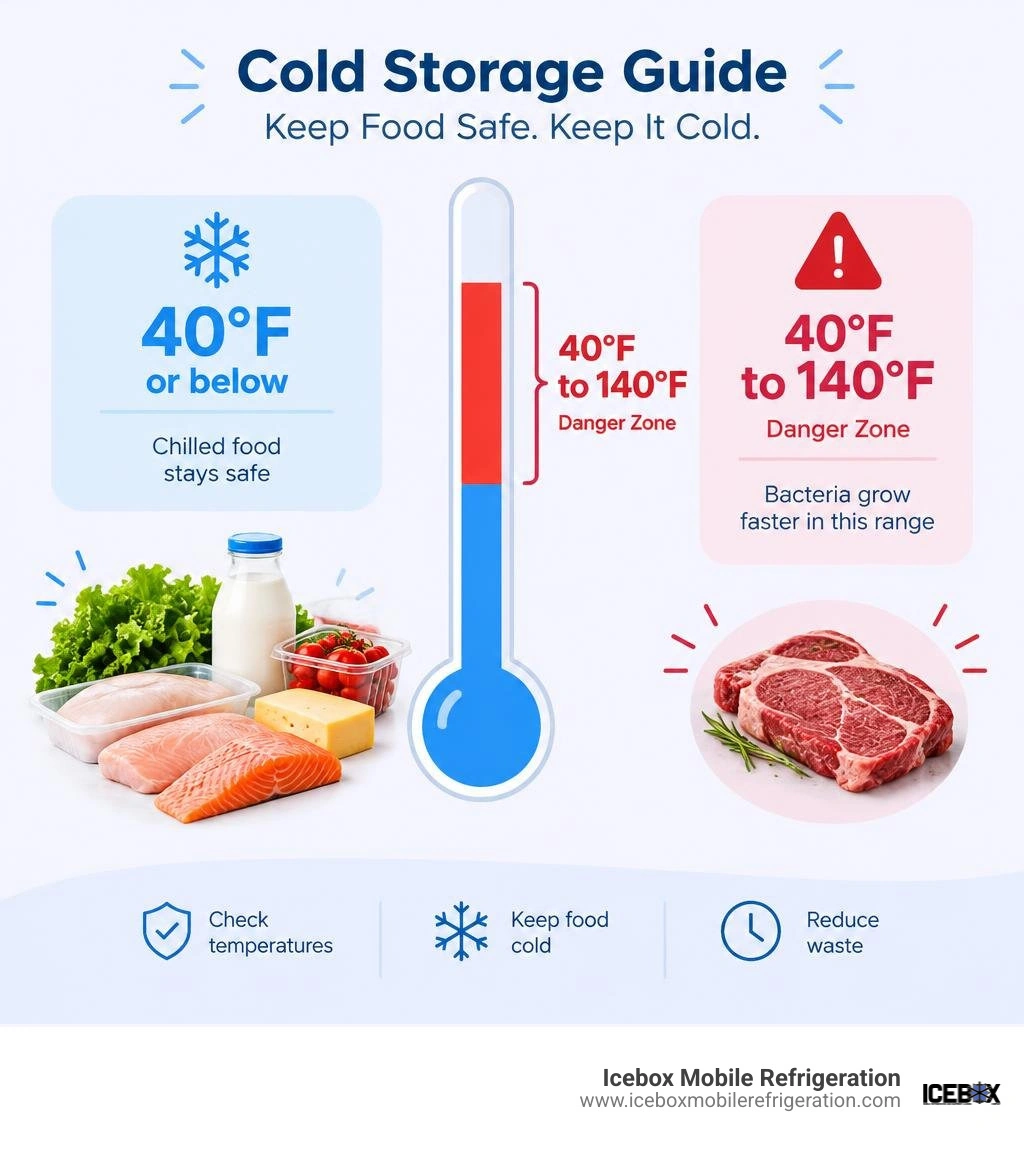
Cold storage for food preservation keeps perishable food at a steady, safe temperature until it is served or used. For commercial handlers, that means checking food temperatures, moving deliveries into cold storage promptly, and keeping chilled foods at 40°F or below. Cold slows spoilage and bacterial growth, but it does not make unsafe food safe again.
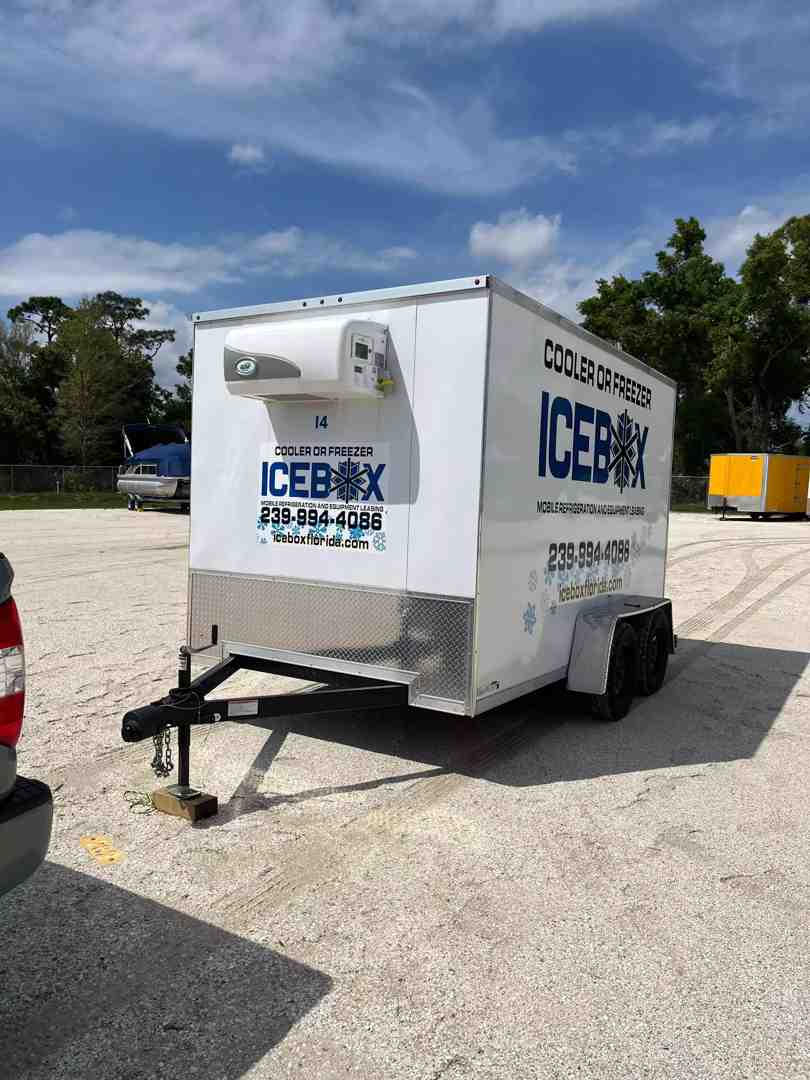
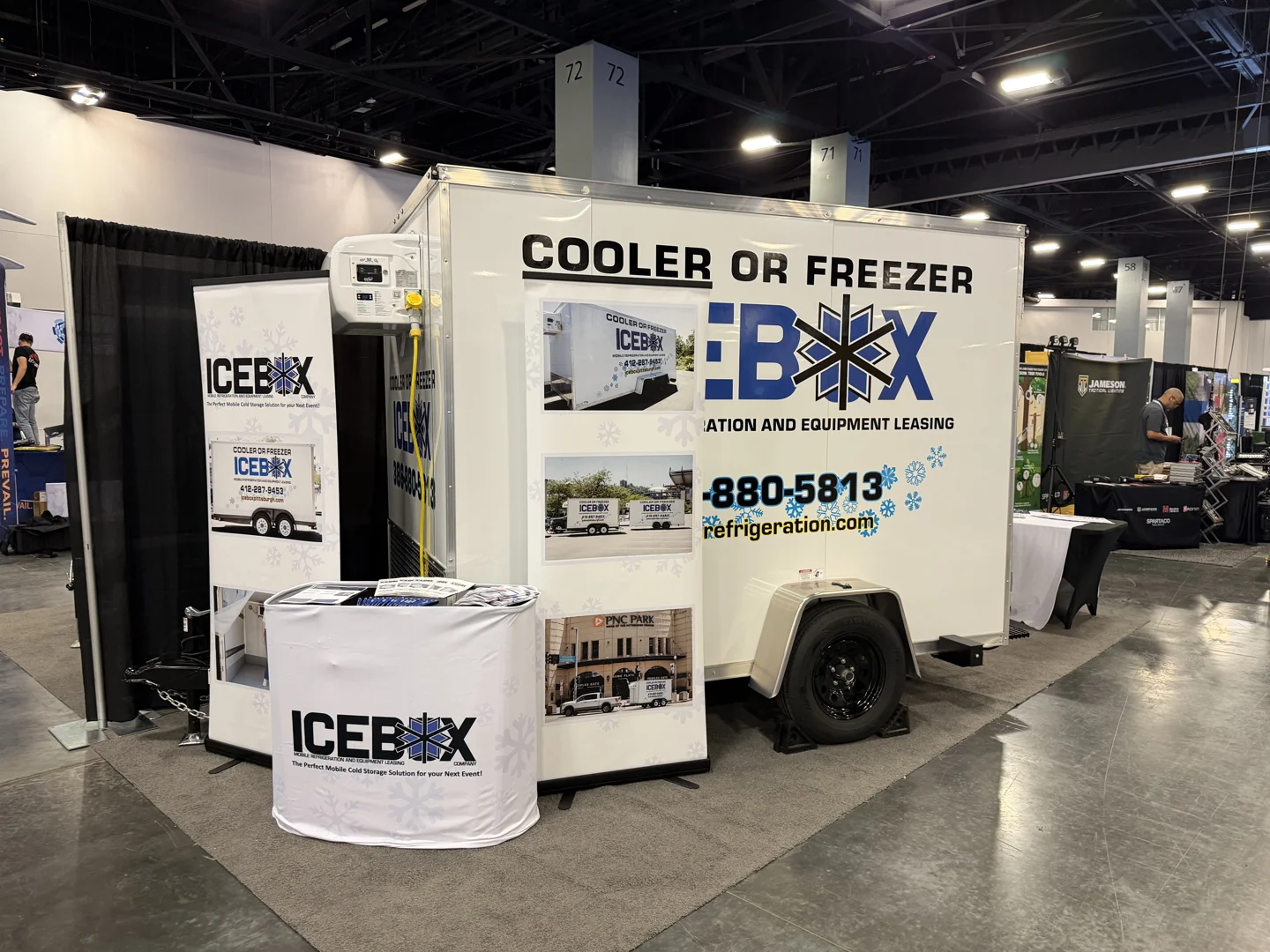
At a busy event, refrigerated trailers provide temporary, on-site space for food that needs to stay cold. Mobile cooler trailers and mobile freezer trailers can also help teams respond to a sudden change in storage needs. Icebox Mobile Refrigeration offers on-site rentals and 24-hour emergency service along the East Coast.
I’m Alexander Palmiere, an Icebox Mobile Refrigeration franchise owner with more than a decade of business experience. My work with on-site cold storage for food preservation informs this guide to keeping commercial food safe and reducing waste.
Handy cold storage for food preservation terms:
Principles of Cold Storage for Food Preservation
Food preservation relies on controlling biological, chemical, and physical reactions. When perishables leave cold conditions, naturally occurring enzymes break down cellular walls, accelerate oxidation, and degrade texture, color, and flavor.
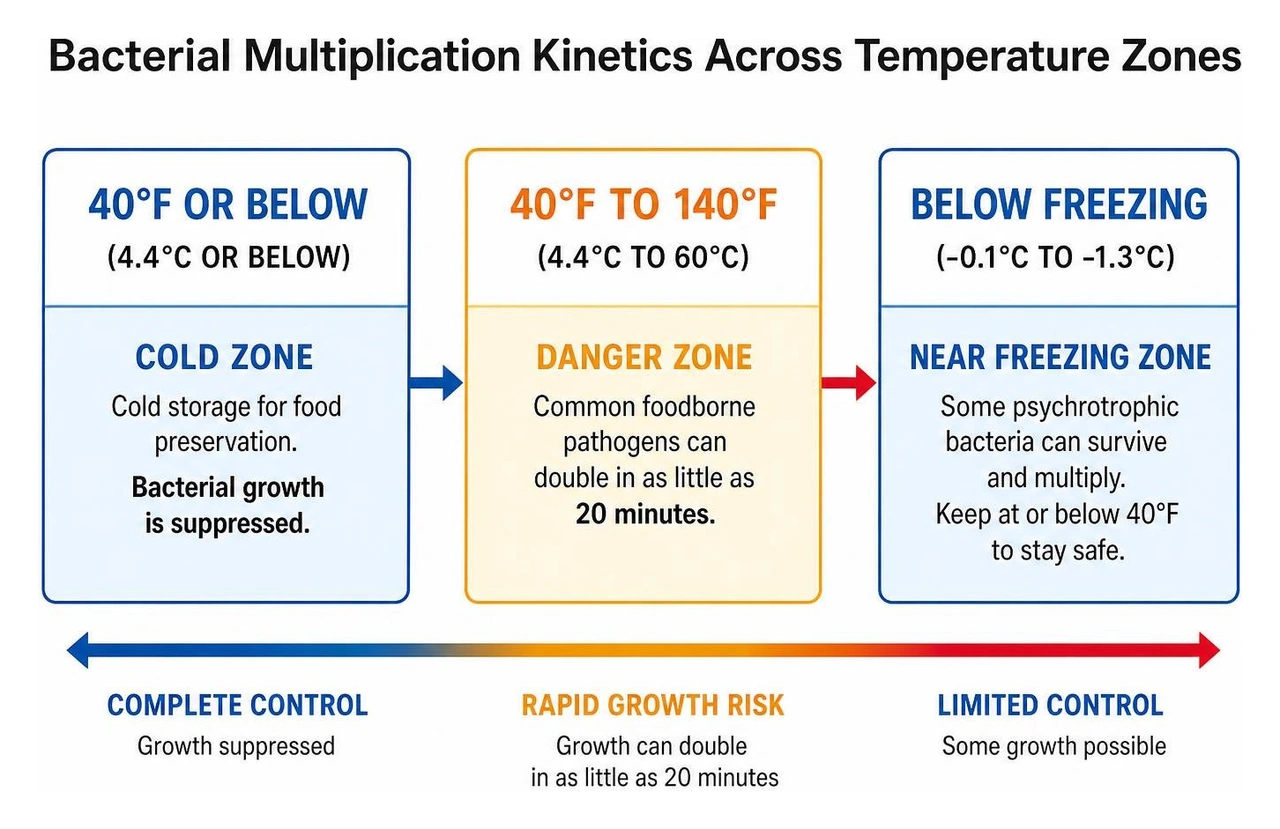
Lowering temperatures retards these chemical cascades and inhibits microbial reproduction. Commercial food safety pivots on avoiding the temperature danger zone: 40°F to 140°F (4.4°C to 60°C). Within this range, common foodborne pathogens such as Salmonella, Escherichia coli, and Staphylococcus aureus can double their populations in as little as 20 minutes.
While chilling halts the growth of mesophilic organisms, certain psychrotrophic bacteria—notably Listeria monocytogenes, Yersinia enterocolitica, and Aeromonas hydrophila—can survive and multiply at temperatures near freezing (-0.1°C to -1.3°C). Maintaining uninterrupted holding stability at or below 40°F keeps these organisms suppressed.
Key Benefits of Cold Storage for Food Preservation Across Commercial Operations
Maintaining rigorous low-temperature holding yields tangible benefits across commercial kitchens, catering venues, and distribution hubs:
- Bacterial Suppression and Public Health: Holding cold inventory below 40°F suppresses pathogen proliferation. This compliance prevents foodborne outbreaks, protecting both patrons and institutional liability.
- Nutritional and Sensory Quality Retention: Bioactive compounds degrade rapidly under ambient warmth. For instance, Vitamin C losses in fresh vegetables can be held to roughly 10% per day at 2°C, whereas losses exceed 50% per day at 20°C. Cold environments also prevent lipid oxidation in raw proteins and arrest softening in produce.
- Minimizing Commercial Spoilage: The Food and Agriculture Organization (FAO) reports that roughly one-third of all food produced globally is lost or wasted annually. Modern temperature-controlled storage infrastructure could preserve over 475 million tonnes of edible food each year.
Establishing comprehensive food spoilage prevention protocols aligned with standard USDA FSIS Refrigeration & Food Safety Guidelines ensures high-value inventory remains wholesome from intake through prep.
Produce and Protein Preservation Lifespans in Chilled Environments
Different perishables have distinct physiological and post-harvest holding requirements. Grouping incompatible commodities in the same space without thermal consideration causes chilling injury, moisture loss, or accelerated ripening.
- Temperate Crops (0°C to 1°C / 32°F to 34°F): Pome fruits (apples, pears), leafy greens, brassicas, and root vegetables thrive near freezing with high relative humidity (90% to 95%). Storing these crops at cold thresholds depresses metabolic respiration rates.
- Chilling-Sensitive / Subtropical Produce (7°C to 15°C / 45°F to 59°F): Crops such as tomatoes, cucumbers, citrus, melons, and avocados suffer physiological breakdown—pitting, internal browning, and uneven ripening—if held near 32°F.
- Ethylene Management: Ripening climacteric fruits (apples, melons, stone fruits) produce ethylene gas, which triggers rapid sprouting in root vegetables and yellowing in greens. Segregating inventory zones prevents premature decay.
- Raw Animal Proteins: Fresh whole poultry, ground meats, and finfish require strict holding below 40°F (ideally 32°F to 36°F) and have tight shelf-life windows before cooking or long-term freezing.
Refer to the table below for standard commercial holding parameters, referencing established cold storage conditions for fruits and vegetables alongside best practices from our produce cold storage complete guide.
| Perishable Category | Ideal Holding Temp (°F / °C) | Relative Humidity (RH) | Safe Cold Holding Lifespan | Critical Handling Constraints |
|---|---|---|---|---|
| Temperate Roots & Pomes (Apples, Carrots, Beets) | 32°F – 34°F (0°C – 1°C) | 90% – 95% | 1 to 6 Months | High moisture retention needed; isolate apples from greens. |
| Chilling-Sensitive Produce (Cucumbers, Citrus, Squash) | 45°F – 55°F (7°C – 13°C) | 85% – 90% | 1 to 3 Weeks | Keep above chilling thresholds to prevent peel pitting. |
| Fresh Poultry & Ground Meats | 32°F – 36°F (0°C – 2.2°C) | 80% – 85% | 1 to 2 Days | Place on bottom shelves in sealed leak-proof tubs. |
| Fresh Whole Beef, Pork & Veal | 32°F – 36°F (0°C – 2.2°C) | 80% – 85% | 3 to 5 Days | Prevent moisture condensation; maintain stable chill. |
| Fresh Finfish & Shellfish | 32°F – 34°F (0°C – 1.1°C) | 90% – 95% | 1 to 2 Days | Pack over drained ice; maintain rapid turnover. |
| Prepared / Cooked Foods & Leftovers | 34°F – 38°F (1.1°C – 3.3°C) | N/A | 3 to 4 Days | Portion into shallow containers to ensure rapid chill. |
Operational Best Practices for On-Site Cold Preservation
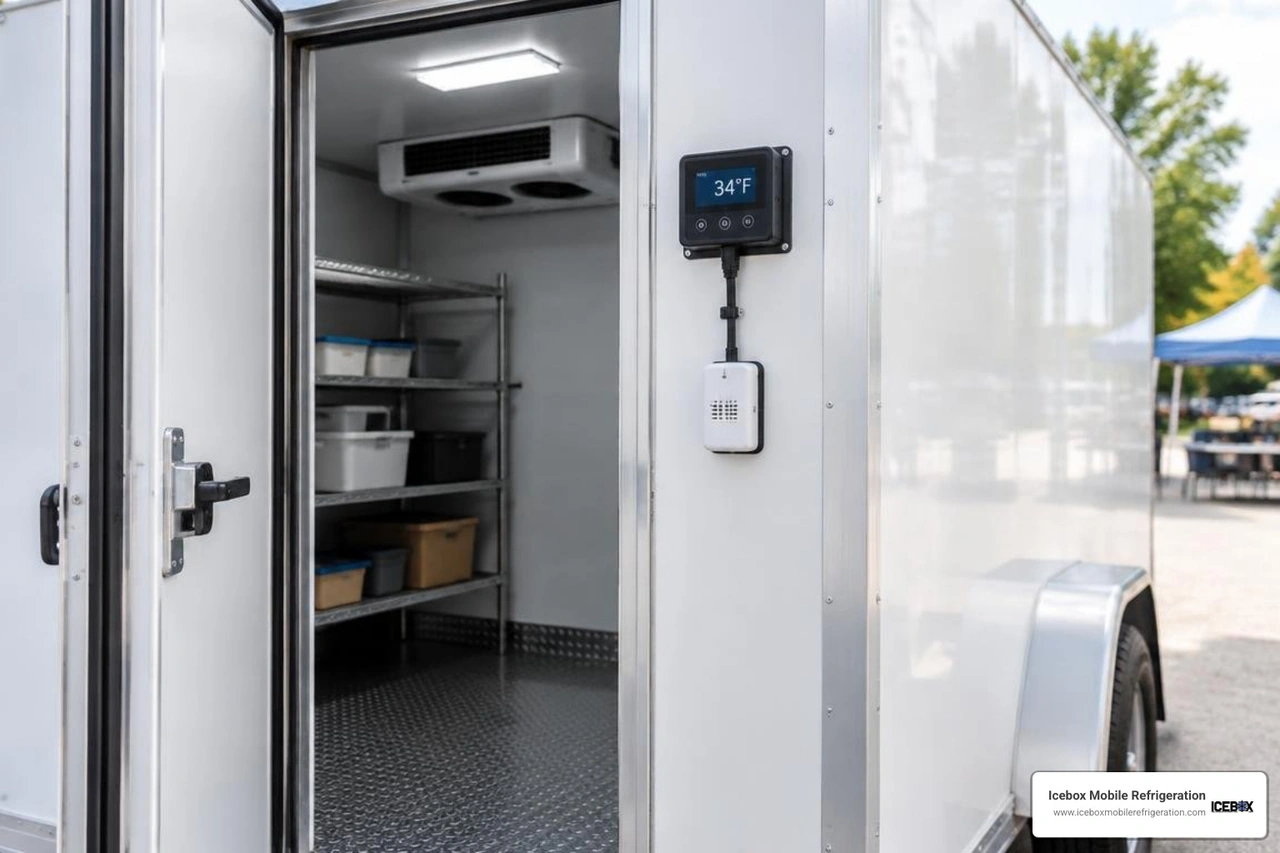
Maintaining food safety requires steady operational discipline. Relying solely on external unit thermostats can lead to overlooked temperature excursions. Food handlers should deploy independent, calibrated internal temperature probes and automated data loggers to capture readings across daily cycles.
Adhering to First-In, First-Out (FIFO) stock rotation prevents inventory from lingering past peak safety dates. Clearly mark incoming product cases with legible dates, rotate stock forward, and discard items that exceed safety windows.
Airflow Dynamics, Loading Protocols, and Cross-Contamination Prevention
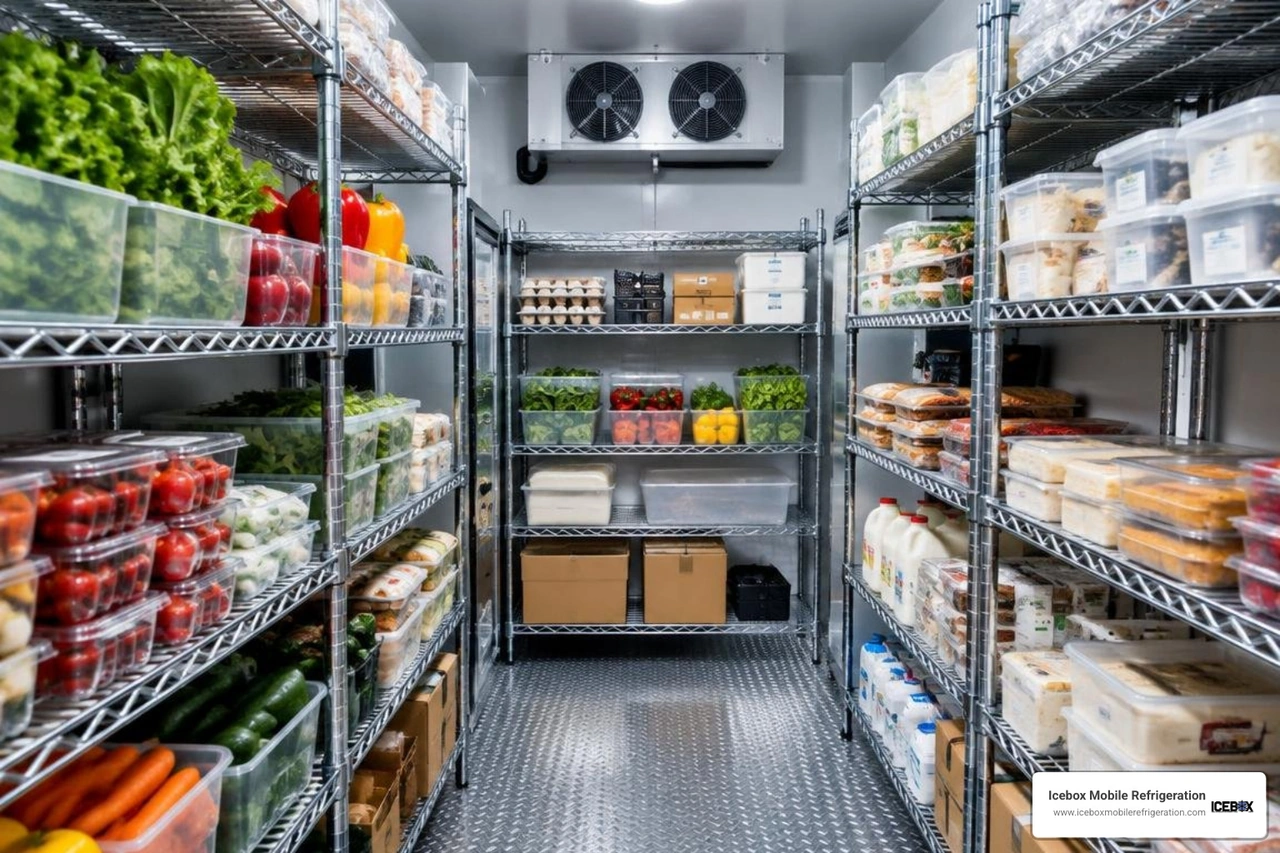
Proper airflow is essential for reliable cold storage. Refrigerated units are designed to maintain pre-chilled product temperatures rather than pull down high-mass, hot loads. Overpacking shelving impedes cold air distribution, creating localized warm zones where microbial colonies multiply.
- Six-Sided Airflow Clearance: Keep pallets and storage racks elevated off the floor, away from interior walls, and clear of evaporator discharge ducts. Air must circulate underneath, over, and around all stored cases.
- Vertical Hierarchy Against Dripping: Always organize storage shelves based on minimal internal cooking temperatures to eliminate drip contamination:
- Top Tier: Ready-to-eat prepared dishes, washed greens, and pasteurized dairy.
- Second Tier: Whole raw seafood and raw beef/pork cuts.
- Third Tier: Raw ground meats and marinated proteins.
- Lowest Tier: Raw whole and ground poultry.
- Rapid Cooling Protocols: Divide large batches of warm cooked foods into shallow containers (less than 2 inches deep) before transferring them to cold holding, ensuring products drop through the danger zone within two hours.
Following the principles detailed in Oregon State University’s guide on managing the cold chain for quality and safety and our temporary cold storage complete guide keeps handlers fully compliant with sanitation and structural airflow standards.
Deploying Mobile Cold Storage for Food Preservation During Peak Demands
Commercial operations frequently encounter situations where fixed cooling footprint falls short. Harvest gluts, seasonal holiday rushes, and major event catering require temporary, on-site capacity expansion to prevent thermal abuse.
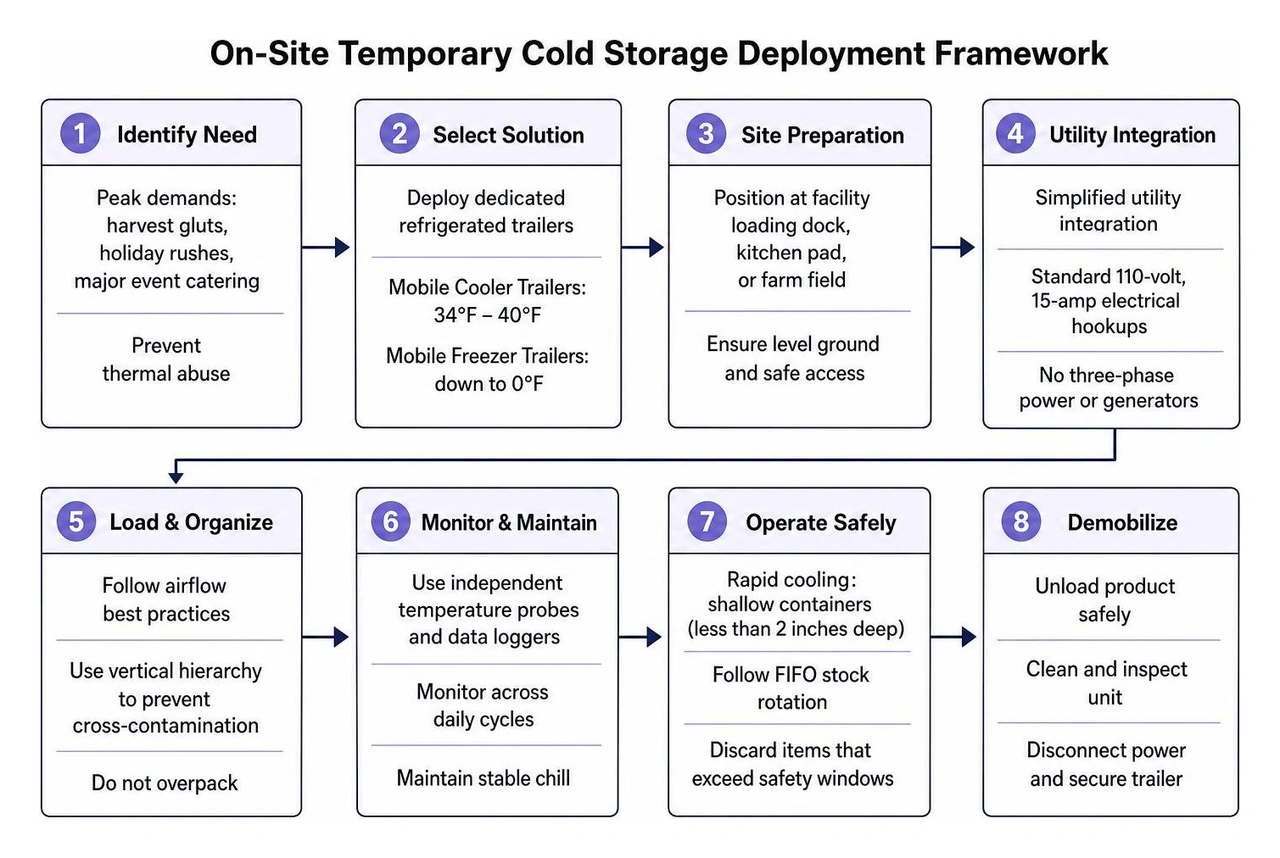
Deploying dedicated refrigerated trailers provides seamless cold preservation right at the facility loading dock, kitchen pad, or farm field. These commercial units include:
- Mobile Cooler Trailers: Engineered to hold precise chilled environments between 34°F and 40°F, ideal for holding fresh produce, prepared catering courses, and raw meats.
- Mobile Freezer Trailers: Designed to maintain solid, steady freezing holding temperatures down to 0°F for deep preservation without ice crystal expansion.
- Simplified Utility Integration: High-efficiency units utilize standard 110-volt, 15-amp electrical hookups, bypassing the need for dedicated three-phase industrial feeds or loud diesel generators.
Agricultural producers can explore targeted field strategies via our farm cold storage resources, while food managers planning overflow frozen capacity can reference our freezer storage solutions guide.
Emergency Readiness and On-Site Preservation Contingencies
A sudden compressor breakdown, structural failure, or utility power loss can place thousands of dollars in perishable food inventory in immediate jeopardy. Developing an emergency response plan minimizes inventory losses before internal temperatures climb past 40°F.
If primary on-site cooling equipment fails:
- Keep Doors Sealed: Maintain internal cabinet seals to preserve cold air reserves for several hours.
- Track Temperature Rise: Place calibrated dataloggers inside core packaging to document whether products exceeded safe exposure limits (no more than 2 hours above 40°F).
- Deploy On-Site Backup: Mobilize temporary cold storage to transfer product quickly.
Icebox Mobile Refrigeration delivers rapid on-site temporary cold storage via clean, walk-in mobile cooler trailers and mobile freezer trailers. We provide 24-hour emergency service across our regional East Coast footprints—including Philadelphia, Pittsburgh, Cleveland, Columbus, Cincinnati, Louisville, Detroit, Nashville, Charlotte, Raleigh, Charleston, Orlando, Tampa Bay, and Miami.
Review our complete emergency food storage complete guide to build a contingency checklist, or find a cooler for rent to secure your operations against equipment downtime and peak seasonal demand. Contact our team today for an upfront rental quote tailored to your timeline.
Choose the perfect rental option
Explore our wide range of trailer rentals and find the one that suits your needs

Discover New Blog Posts
Stay updated with our latest blog content.