Why Dairy Cold Storage Requirements Matter for On-Site Events
While the legend of the Milky Way suggests a celestial origin for dairy, the reality of managing it on Earth requires strict precision. Dairy cold storage is one of the most temperature-sensitive challenges in the food industry -- and getting it wrong has real consequences.
Here's a quick reference for the most common dairy products and their required storage temperatures:
| Dairy Product | Refrigerated Storage Temp | Frozen Storage Temp |
|---|---|---|
| Fresh Milk | 34°F - 39°F (1°C - 4°C) | Not recommended |
| Yogurt | 34°F - 45°F (1°C - 7°C) | Not recommended |
| Butter | 35°F - 41°F (2°C - 5°C) | 0°F (-18°C) |
| Cheese (hard) | 35°F - 45°F (2°C - 8°C) | 0°F (-18°C) |
| Ice Cream | N/A | 0°F (-18°C) |
Dairy products spoil faster than almost any other food category. Bacterial growth in raw milk can double roughly every 20 minutes at warm temperatures. Even a brief lapse in temperature control -- say, during an outdoor catering event or a busy venue's peak service window -- can render an entire batch unsafe.
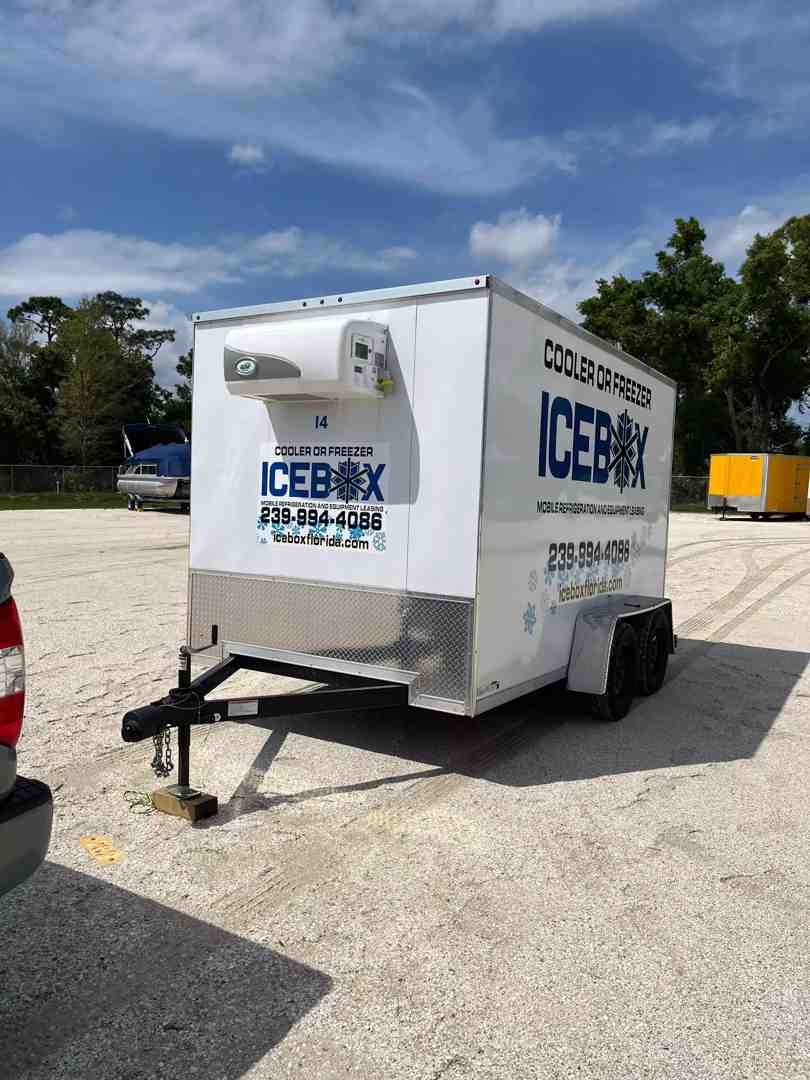
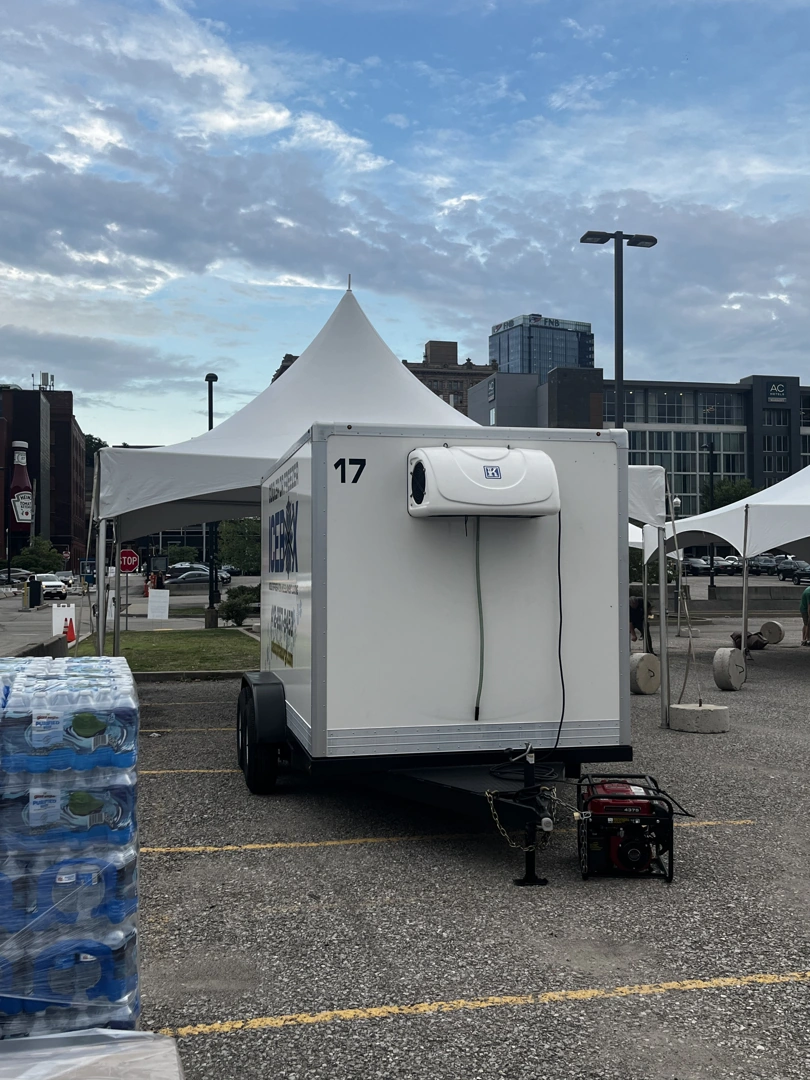
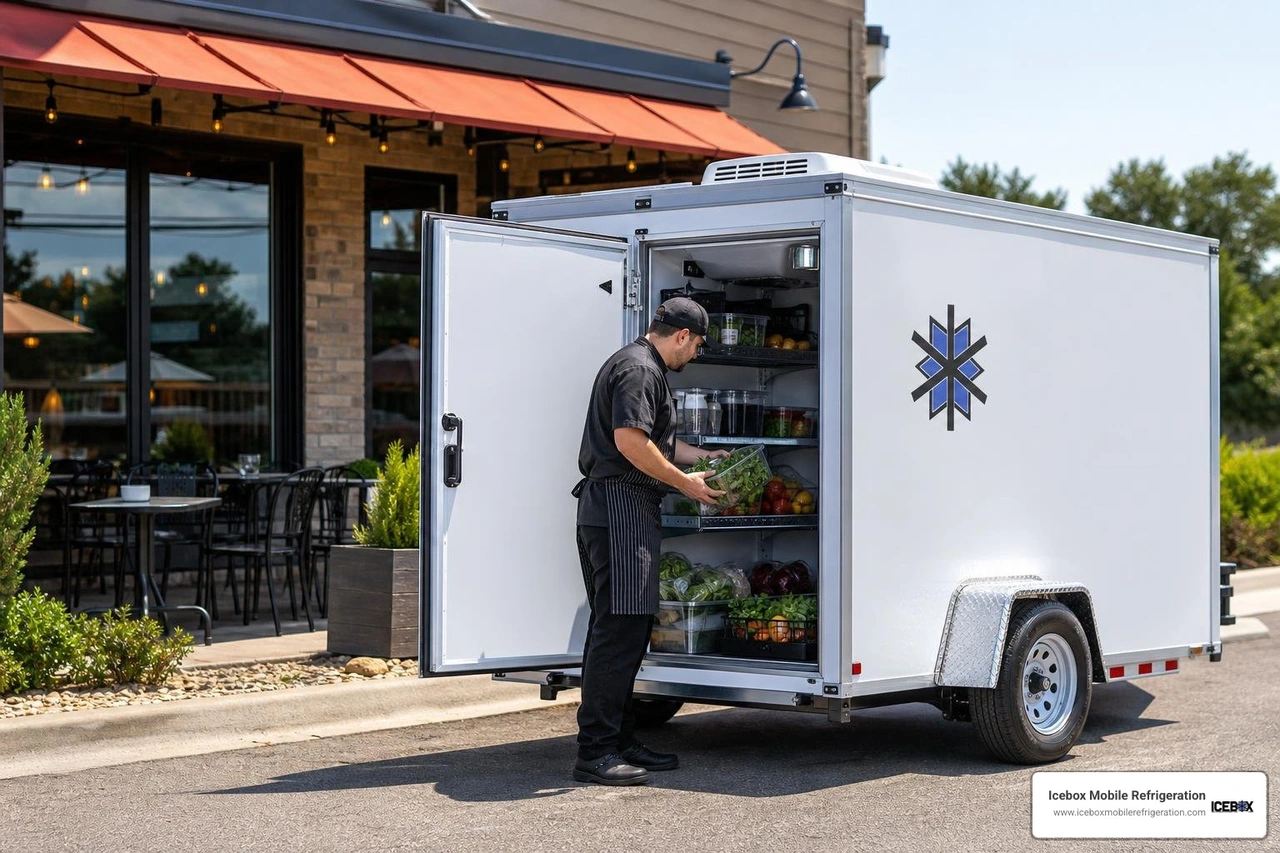
That's where mobile cooler trailers and mobile freezer trailers come in. For event planners, caterers, and commercial operators on the East Coast, having reliable on-site refrigeration delivered and ready to go isn't a luxury. It's a necessity.
This guide walks you through exactly what dairy products need, and how to meet those needs with temporary, on-site mobile cold storage.

Dairy cold storage terms to know:
Essential Temperature Guidelines for Dairy Cold Storage
When we talk about dairy cold storage, we are dealing with biological products that are constantly evolving. Milk, cheese, and yogurt aren't just liquids and solids; they are ecosystems of proteins, fats, and often live cultures. To keep these products from turning into a science experiment gone wrong, precision is everything.
In May 2026, the dairy industry continues to see massive volumes of product moving through the supply chain. Recent statistics from the USDA Economic Research Service show that natural cheese inventories in the U.S. have hovered around 1.4 billion pounds, with butter stocks reaching over 288 million pounds. For businesses in our service areas -- like Charlotte, NC, or Miami, FL -- maintaining that quality upon delivery requires localized, on-site solutions.
Maintaining Milk and Yogurt in Mobile Refrigerated Trailers
Milk is the "diva" of the dairy world -- it requires a very specific environment to stay fresh. For immediate consumption and short-term storage, milk should never be warmer than 39°F (4°C). If you are storing milk for longer periods in a mobile cooler trailer, keeping it closer to 36°F is even better.
Yogurt is slightly more flexible but still demands respect. Depending on the desired shelf life, yogurt can be stored at 45°F for a week, but to get 3-6 weeks of freshness, you need to drop that temperature closer to 34°F. In a temporary event setting, fluctuations are your biggest enemy. Every time a trailer door opens, the ambient air rushes in. Our trailers are designed to recover quickly, ensuring that these temperature-sensitive items stay within the "safe zone" to prevent pathogen growth. For more on keeping your inventory safe, check out our Food Storage Solutions Guide.
Managing Frozen Goods in Mobile Freezer Trailers
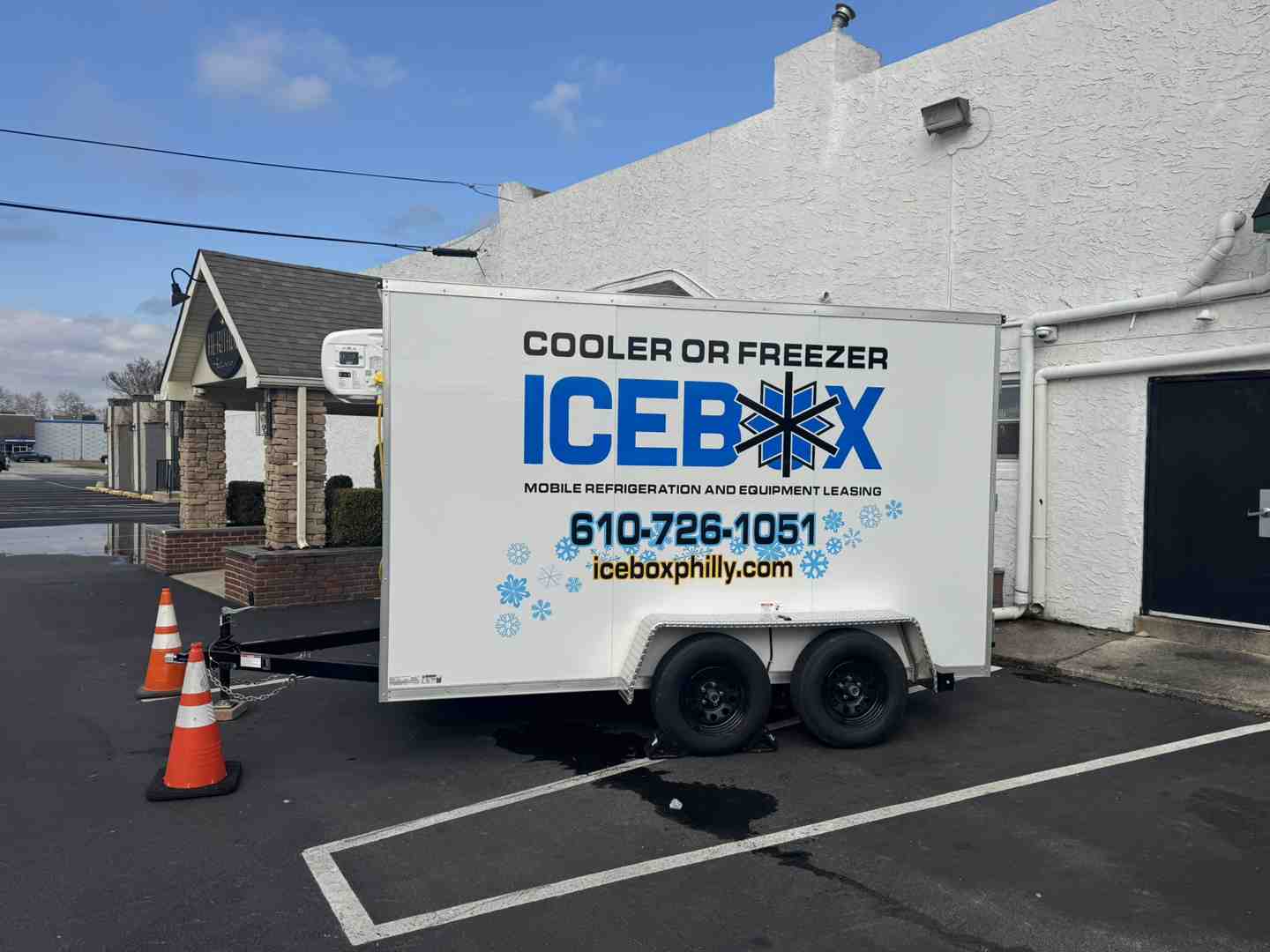
Frozen dairy, particularly ice cream and butter, presents a different set of challenges. On-site storage for events and retail overflow focuses on maintaining a steady 0°F.
- Ice Cream: This is highly sensitive to "heat shock." If the temperature in a mobile freezer trailer rises even slightly above 0°F, the small ice crystals in the ice cream melt and then refreeze into larger, crunchy crystals. This ruins the smooth texture that customers expect.
- Butter: To prevent fat oxidation and keep butter fresh for months, a consistent 0°F environment is required. It should also be kept away from bright light and strong odors, as butter is notorious for absorbing the "flavors" of its environment.
How to Optimize Your On-Site Dairy Storage Strategy
Successful dairy cold storage isn't just about the temperature on the dial; it's about how you manage the space inside the trailer. Whether you're dealing with a seasonal surge in Detroit, MI, or an emergency outage in Columbia, SC, following a few best practices will save you money and headaches.
- The Rotation Principle (FIFO): Always use the "First-In, First-Out" method. Dairy has a short quality span. Label your crates clearly so that the oldest milk and yogurt are at the front of the trailer, ready for immediate use.
- Odor Prevention: Dairy products, especially milk and butter, are like sponges for smells. We recommend storing dairy in protective coverings and, whenever possible, avoiding storage alongside pungent vegetables like onions or peppers. If you must share space, ensure everything is hermetically sealed.
- Airflow is King: Do not pack your mobile cooler trailer so tightly that air cannot circulate. Use pallets or shelving to keep products at least 4 inches away from walls and 10 inches off the floor. This ensures the cold air reaches every carton.
- Power Reliability: Our units run on standard 110-volt, 15-amp circuits. This makes them incredibly easy to set up at almost any commercial site without needing a specialized electrician. However, for dairy, we always recommend a dedicated circuit to prevent accidental trips that could lead to spoilage.
For a deeper dive into managing temporary setups, see our Temporary Cold Storage Complete Guide.
Best Practices for Food Safety and Compliance
Compliance isn't just a buzzword; it's a legal requirement. The FDA and the Food Safety Modernization Act (FSMA) have strict rules regarding temperature-controlled storage. In a dairy environment, you are required to prove that the product stayed within a safe temperature range.
We recommend using digital data loggers inside your trailer. These sensors provide a continuous record of the temperature, which is vital if a health inspector visits or if you need to verify product integrity after a long event. Modern IoT sensors can even send alerts to your phone if the temperature skews, allowing for quick intervention before the milk reaches that dangerous 40°F+ threshold. Learn more about professional standards in our Commercial Refrigeration Solutions Guide.
Choosing the Right Mobile Trailer for Seasonal Demand
At Icebox, we understand that the dairy industry doesn't take days off. Whether you are a cheese producer in Ohio breaking ground on an expansion or a school district in Florida facing a walk-in cooler failure, we provide the flexibility you need.
We serve a wide range of locations across the East Coast, including:
- North & South Carolina: Charlotte, Raleigh, Wilmington, Greenville, Columbia, Charleston, and Myrtle Beach.
- Florida: Miami, Fort Lauderdale, Tampa Bay, Naples, and Fort Myers.
- Ohio & Michigan: Cleveland, Akron, Toledo, and Detroit.
- Tennessee & Beyond: Nashville, Pittsburgh, and various cities in Georgia and West Virginia.
Our 24-hour emergency service ensures that if your primary cooling fails, your dairy inventory doesn't have to be a total loss. With easy-to-set-up units and flexible rental terms, we help you manage seasonal demand fluctuations -- like the extra butter and cream needed during the holiday baking season -- without the massive capital investment of permanent infrastructure.
Ready to secure your dairy inventory? Whether you need a long term cold storage solution or a bulk cold storage unit for a major event, we are here to help.
Contact us today for a custom quote and let us handle the cold while you focus on the cream of the crop.
Choose the perfect rental option
Explore our wide range of trailer rentals and find the one that suits your needs
%20(2)-min.webp)
Discover New Blog Posts
Stay updated with our latest blog content.