How to Choose Storage Refrigeration for Your Site
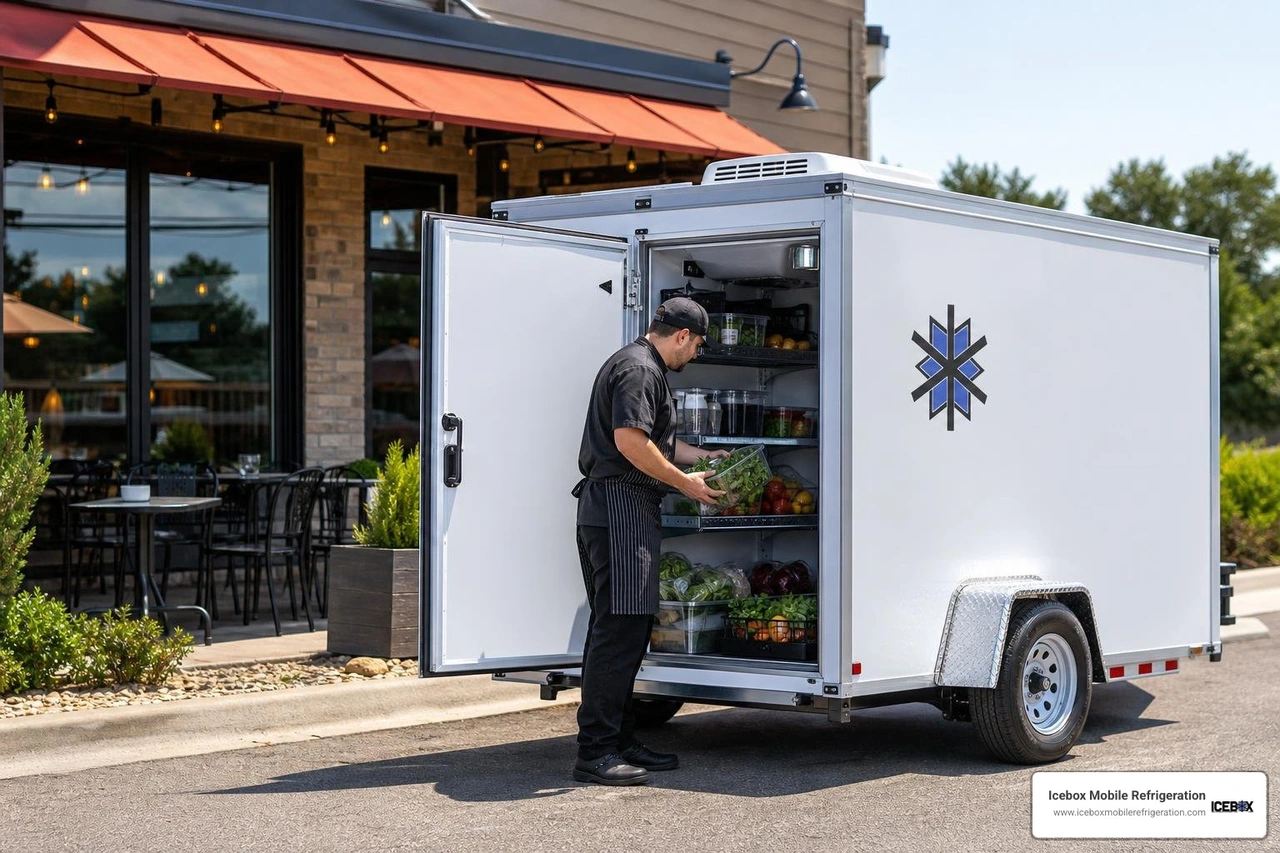
Start with what you need to keep cold. Choose a mobile cooler trailer for chilled goods or a mobile freezer trailer for frozen goods. Then check the required temperature, how much space your goods need, available power, and where the trailer can park. For an event or emergency, also confirm delivery timing and how often staff will need access.
We're Dan and Kelley, and this checklist will help you compare refrigerated trailers for temporary, on-site storage without missing the details that matter.
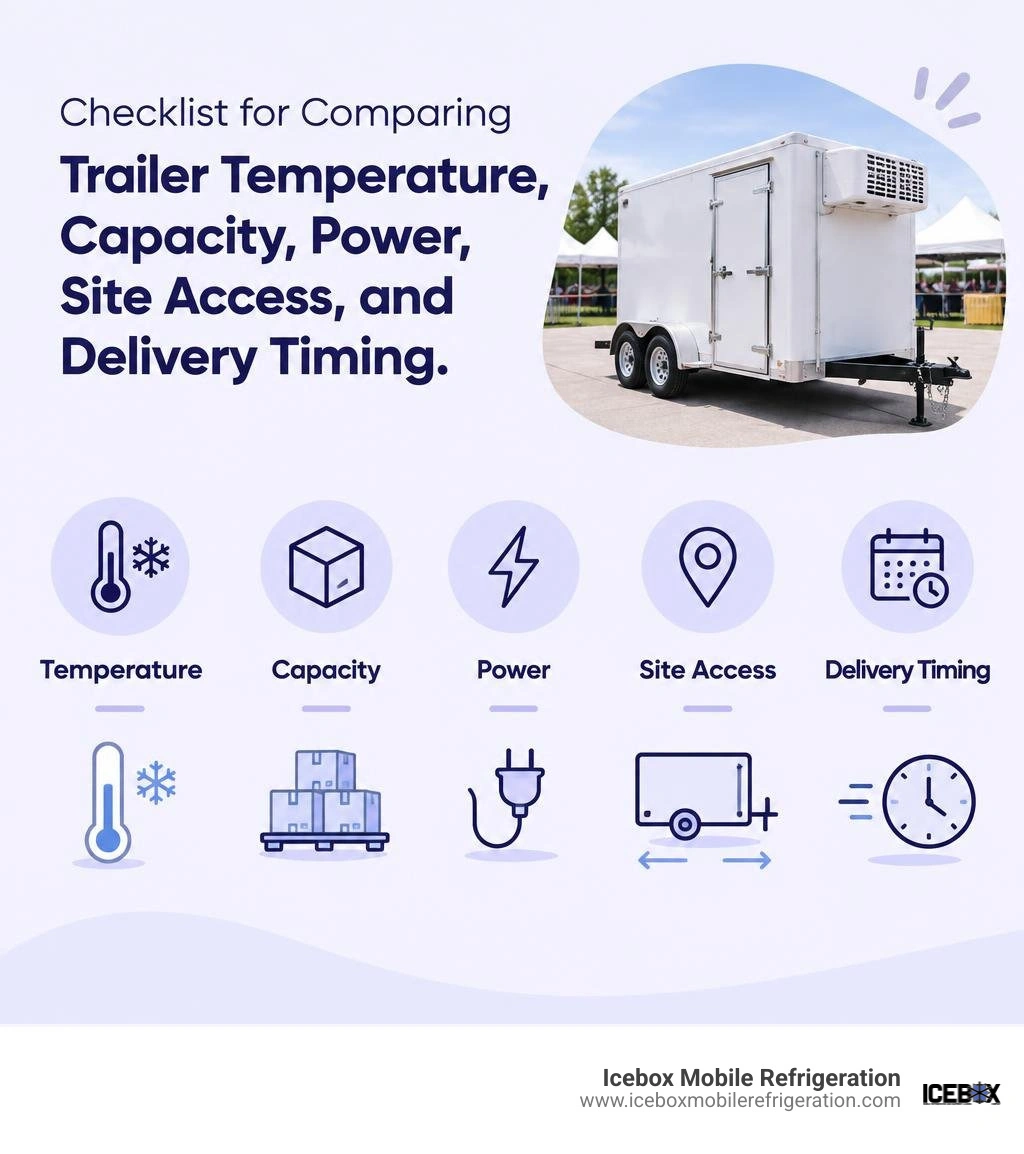
Storage refrigeration terminology:
For broader industry context on temporary cooling methods, see the refrigeration overview from Wikipedia.
Key Technical Factors in Mobile Trailer Storage Refrigeration

When evaluating temporary on-site cold storage, understanding the underlying technology ensures your perishable stock remains fully protected. Mobile refrigeration equipment relies on a balanced thermodynamic system designed to resist outdoor ambient heat, high humidity, and frequent door openings. Our cold storage rental guide 2026 outlines how modern thermal envelopes and balanced cooling systems keep critical operations running smoothly.
Refrigeration systems in enclosed spaces transfer heat from inside the storage compartment to the outside atmosphere. To maintain target holding temperatures reliably, temporary trailers combine efficient mechanical components, airtight construction, and vapor barriers. Infiltration load from door openings can account for 15% to 25% of total cooling demand in busy commercial environments, making rapid temperature recovery and robust insulation essential.
Temperature Control and Storage Refrigeration Methods
Mobile cold storage trailers utilize direct expansion (DX) single-stage vapor compression systems. In this cycle, liquid refrigerant expands directly inside the evaporator coils, absorbing thermal energy from the interior air before sending it to the outdoor condenser.
Our mobile fleet covers set points from 0°F to 50°F, ensuring full alignment with commercial food safety rules, where our dedicated mobile freezer trailers maintain steady holding temperatures without operating below 0°F. If you need dedicated low-temperature storage for frozen goods, our portable freezer rental guide near me walks through unit capacities and set points.
| Feature / Specification | Mobile Cooler Trailers | Mobile Freezer Trailers |
|---|---|---|
| Operating Range | 34°F to 50°F (1°C to 10°C) | 0°F to 25°F (-18°C to -4°C) |
| Typical Target Setting | 35°F to 38°F | 0°F to 10°F |
| Refrigeration Architecture | Single-stage direct expansion | High-torque low-temp single-stage DX |
| Defrost Mechanism | Off-cycle / Air defrost | Electric or hot-gas timed cycles |
| Common Inventory Use | Fresh produce, dairy, meats, beverages | Frozen foods, prepared inventory, bulk ice |
Codex Alimentarius standards and commercial food-handling protocols establish 0°F (-18°C) as the key benchmark to stop microbial proliferation in frozen products. For fresh perishables, steady temperatures below 40°F prevent bacterial growth while avoiding freezing damage.
Power Requirements, Thermal Envelopes, and Storage Refrigeration Efficiency
Energy efficiency and electrical convenience are major considerations for temporary on-site setups. While large permanent commercial equipment requires complex three-phase power drops, our units run on standard, dedicated 110-volt, 15-to-20-amp circuits. This eliminates the need for expensive electrical work or loud generators on site.
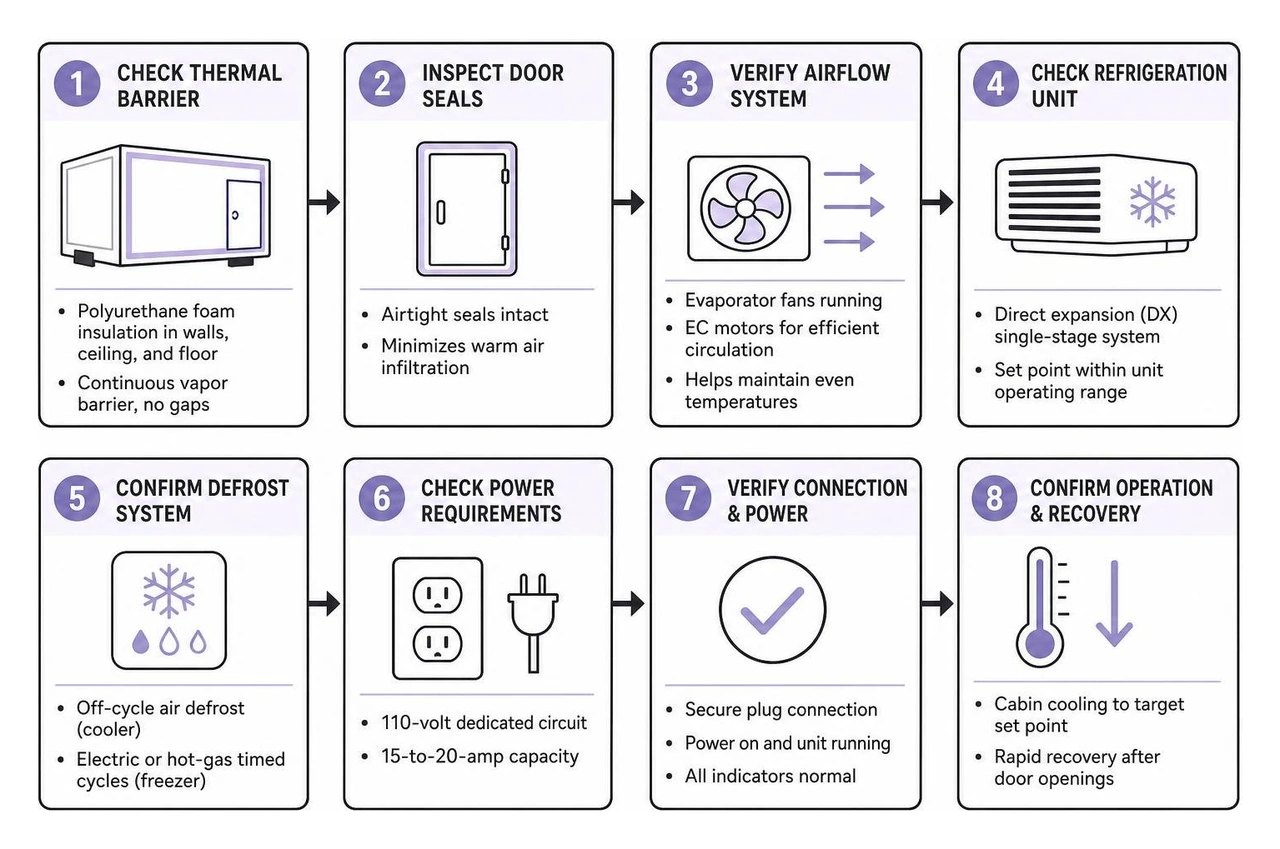
High-performance polyurethane foam insulation forms the thermal core of the trailer walls, ceiling, and flooring. Maintaining a continuous vapor barrier stops moisture infiltration—a critical factor, given that compromised seals can cause 30% to 40% loss of thermal performance over time. To review electrical connections and insulation details before setting up, consult our refrigerated trailer rental guide 2026.
Airflow Dynamics and Food Safety Compliance
Proper airflow keeps temperatures uniform throughout the storage cabin. Without continuous, gentle air circulation, localized warm zones can develop behind dense pallets. High-efficiency EC evaporator fan motors maintain air circulation while consuming 50% to 70% less energy than conventional fan motors.
Maintaining proper relative humidity (typically 85% to 95% for unboxed produce, or controlled levels for packaged items) preserves product quality and prevents surface dehydration. Controlled airflow combined with automated defrost intervals prevents ice buildup on cooling coils, ensuring uninterrupted operation that supports your HACCP and health department temperature-logging requirements.
Checklist for Deploying On-Site Cold Storage Trailers
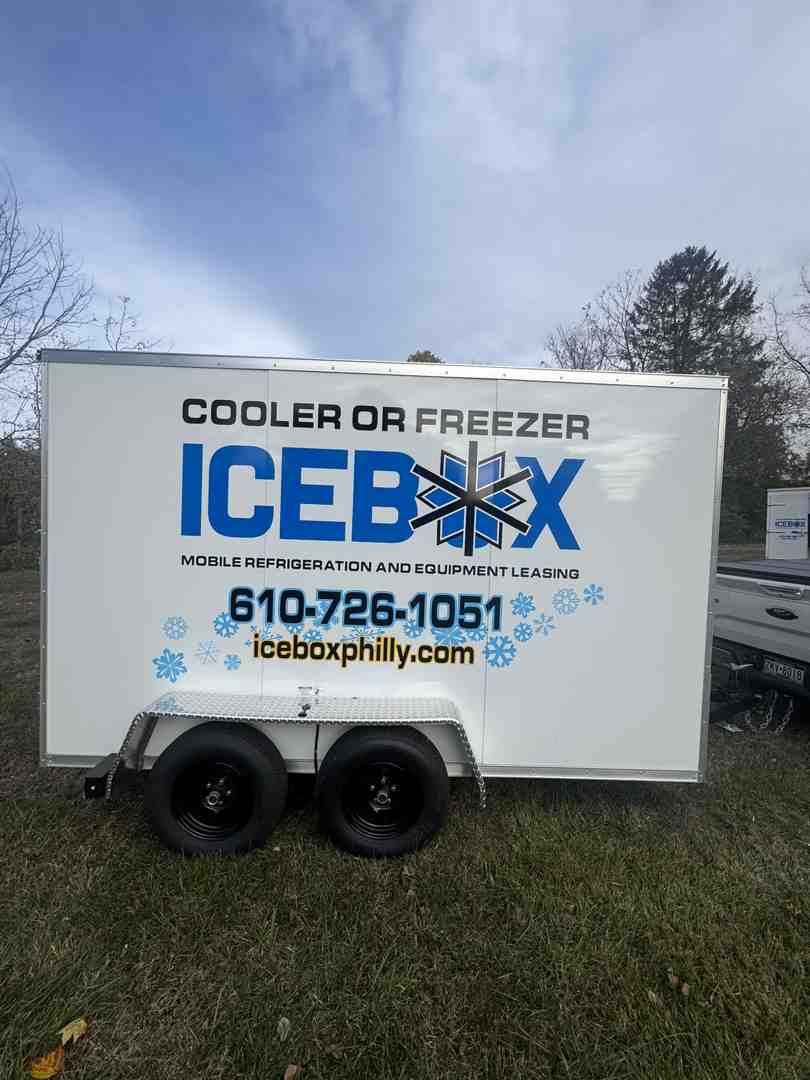
Deploying temporary on-site cooling requires evaluating your site access, product volume, and operational pace. Whether you are handling a busy seasonal rush or managing a facility renovation, our temporary cold storage complete guide provides a clear framework for planning your layout.
Evaluating Trailer Configurations for Events and Emergencies
Selecting the right trailer configuration depends on how your team accesses inventory during service:
- Mobile Cooler Trailers: Best for fresh produce, floral staging, dairy, keg storage, and catering prep where walk-in accessibility is required.
- Mobile Freezer Trailers: Engineered for frozen ingredients, baked goods, and bulk ice storage at holding temperatures down to 0°F.
- Emergency Outage Support: When primary walk-in coolers fail unexpectedly, having our emergency cold storage trailer delivered on-site prevents catastrophic inventory loss.
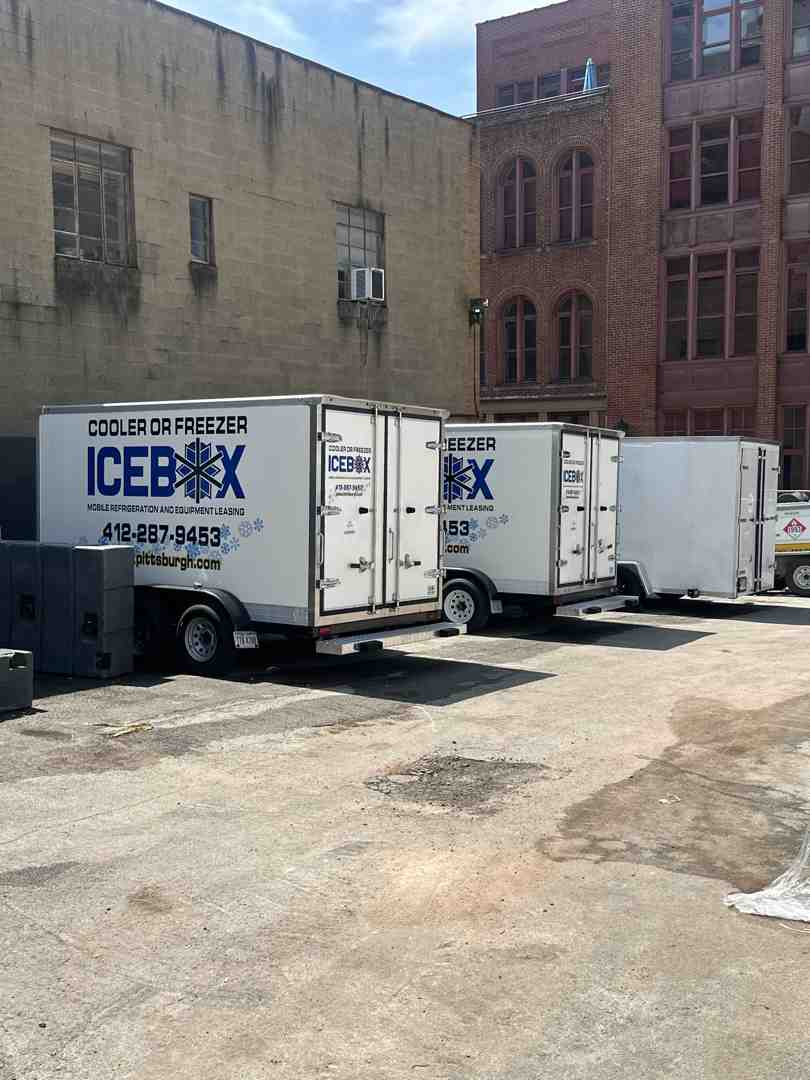
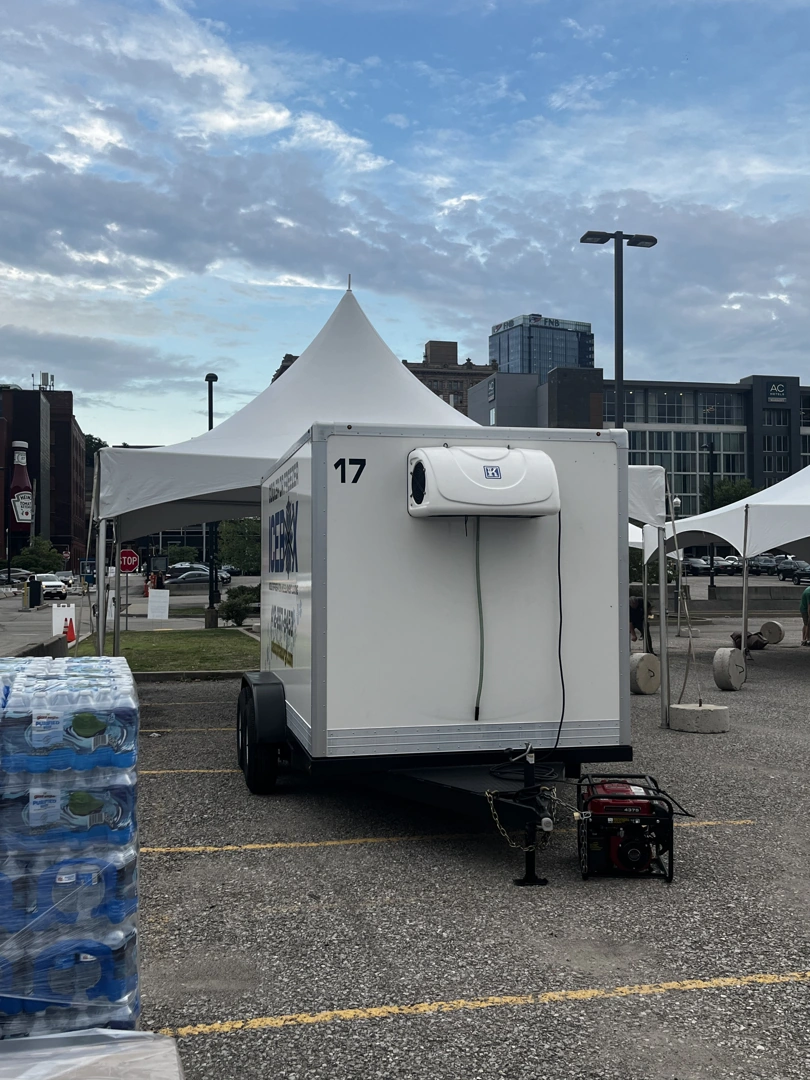
- Seasonal Overflow: Ideal for holiday peaks, remodeling phases, and outdoor festival logistics.
Site Preparation and Electrical Setup Checklist
Before your refrigerated trailer arrives, use this quick checklist to ensure a seamless drop-off:
- Surface Inspection: Select a firm, flat, level parking space (asphalt, concrete, or packed gravel) that supports the trailer's footprint and tongue weight.
- Access Clearance: Ensure clear overhead and turning room for delivery vehicles, avoiding low-hanging tree limbs or low power lines.
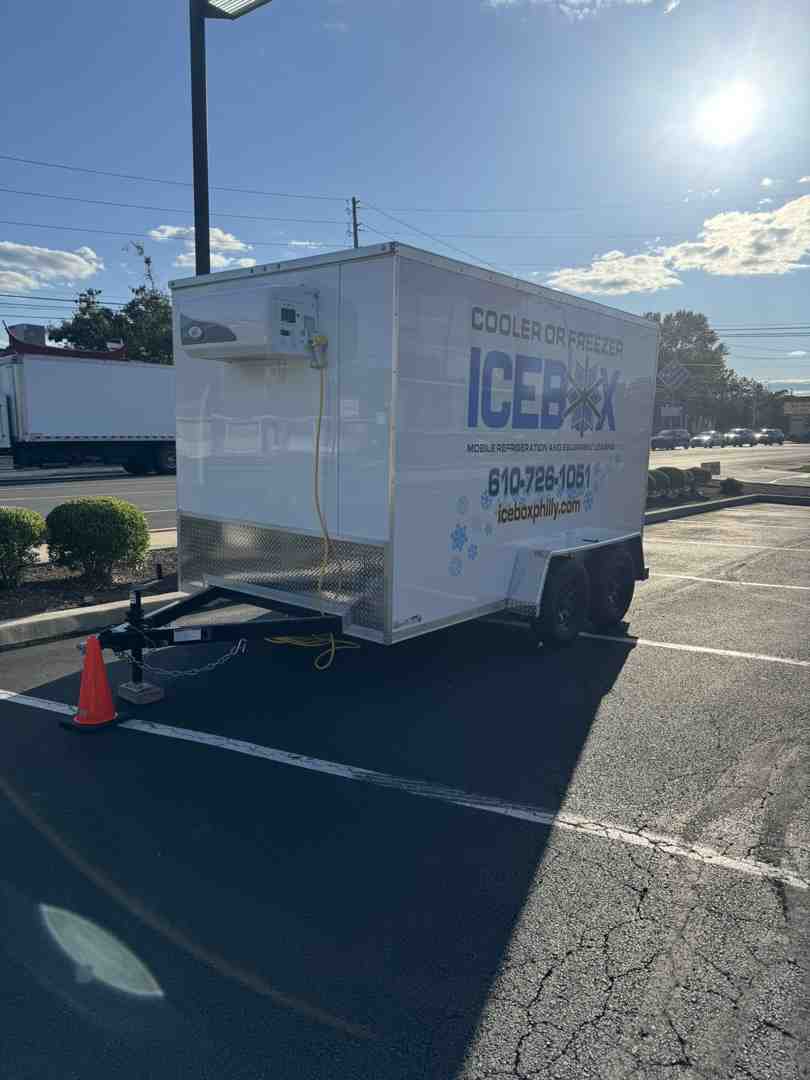
- Power Availability: Confirm access to a dedicated 110-volt, 15-to-20-amp electrical receptacle within 50 feet of the parking location.
- Door Seals and Air Curtains: Inspect magnetic door gaskets upon delivery to confirm airtight closure, and keep doors shut between restocking cycles.
- Interior Loading Organization: Leave at least 2 to 4 inches of clearance around walls and cooling vents to promote unhindered airflow.
Ready to lock in reliable on-site cold storage for your next event, renovation, or seasonal surge? View our available Icebox Mobile Refrigeration service locations across the East Coast and contact us directly to request a personalized rental quote.
Choose the perfect rental option
Explore our wide range of trailer rentals and find the one that suits your needs
%20(2)-min.webp)
Discover New Blog Posts
Stay updated with our latest blog content.