Why Cold Storage for Breweries Protects Beer Quality
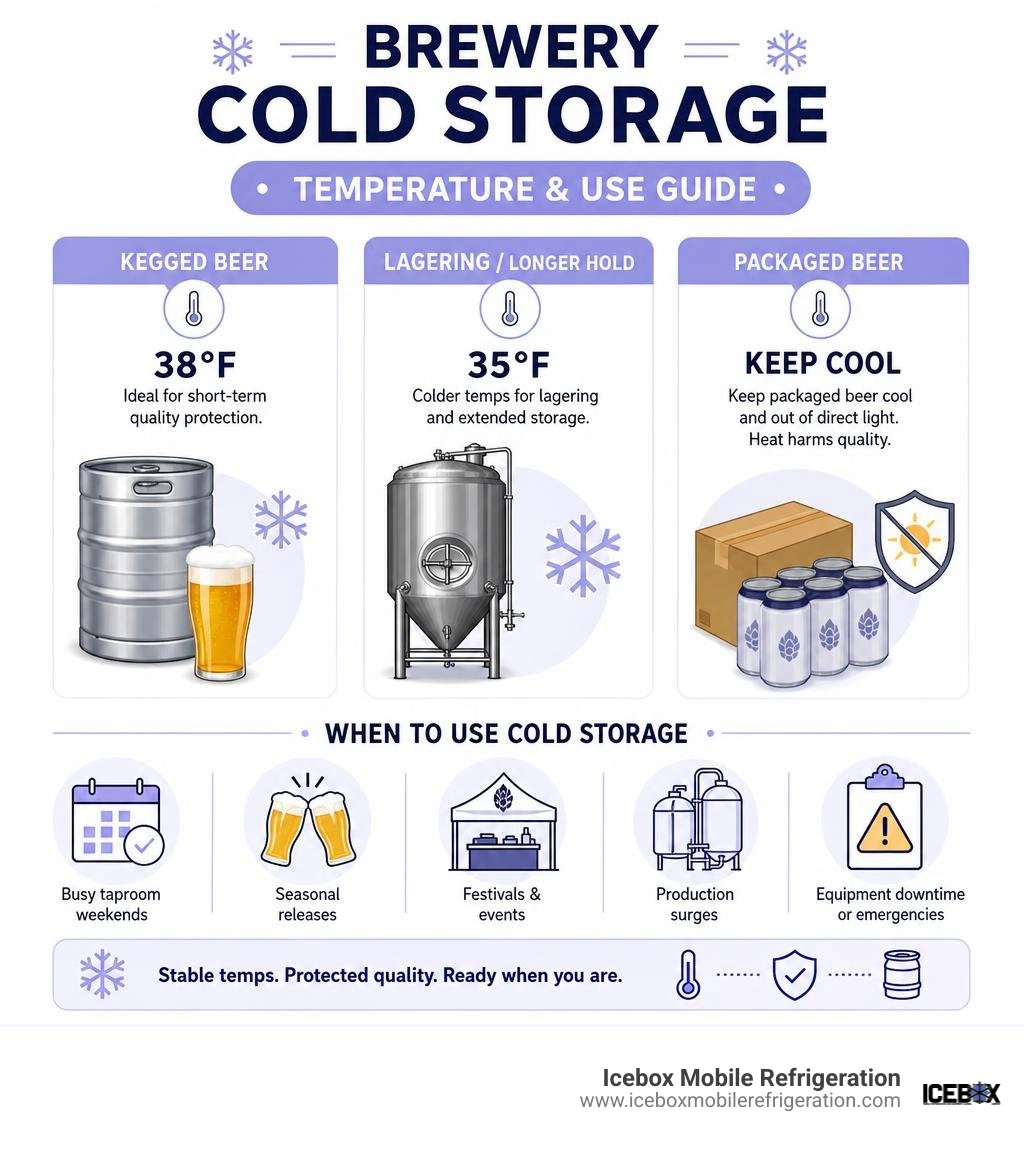
Cold storage for breweries keeps finished beer at stable temperatures while breweries manage production, taproom demand, festivals, distribution staging, and unexpected equipment downtime.
For a quick answer: breweries typically need cold storage to protect beer from heat, light, and long warm holds that can speed up staling or harm draught quality. Refrigerated trailers provide flexible, on-site space for kegs, cans, and cases when a brewery needs temporary overflow capacity or emergency backup without changing its permanent facility.
- Keep kegged beer near 38°F for reliable short-term quality protection.
- Use colder conditions, often in the 35°F range, for lagering needs.
- Keep packaged beer cool and out of direct light; heat has a much greater impact on quality than brief temperature changes.
- Add mobile cold storage during busy taproom weekends, seasonal releases, festivals, and production surges.
- Choose a trailer with dependable temperature control, tight door seals, and enough room for safe keg and case access.
The right option depends on what you are holding, how long you need the space, and whether the need is planned or urgent. Dan and Kelley will help you compare practical on-site mobile cooler trailer options for keeping beer cold when brewery operations get busy.
Similar topics to cold storage for breweries:
Evaluating Primary Cold Storage for Breweries Options and Thermal Requirements
When evaluating cold storage for breweries, understanding heat load calculations and thermal efficiency is essential. Beer is a delicate beverage; it reacts continuously to its environment. Calculating heat loads requires evaluating ambient outdoor temperatures, thermal conductivity through walls, frequency of door openings, and the heat produced by workers or lighting inside the space.
In brewery operations, temporary staging and long-term holding serve different operational needs. Temporary staging focuses on fast turnaround—keeping packaged inventory cool before local delivery or taproom tap swaps. Finished product holding demands unbroken thermal stability to preserve clarity, hop aroma, and foam retention over weeks or months.

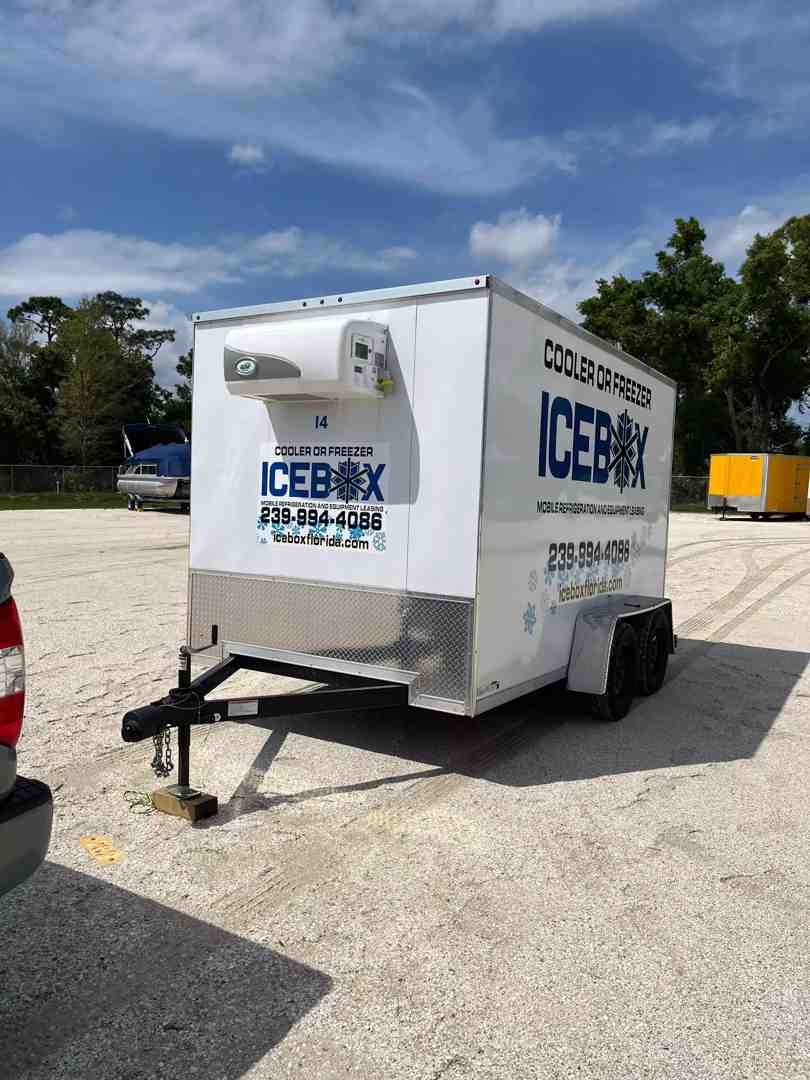
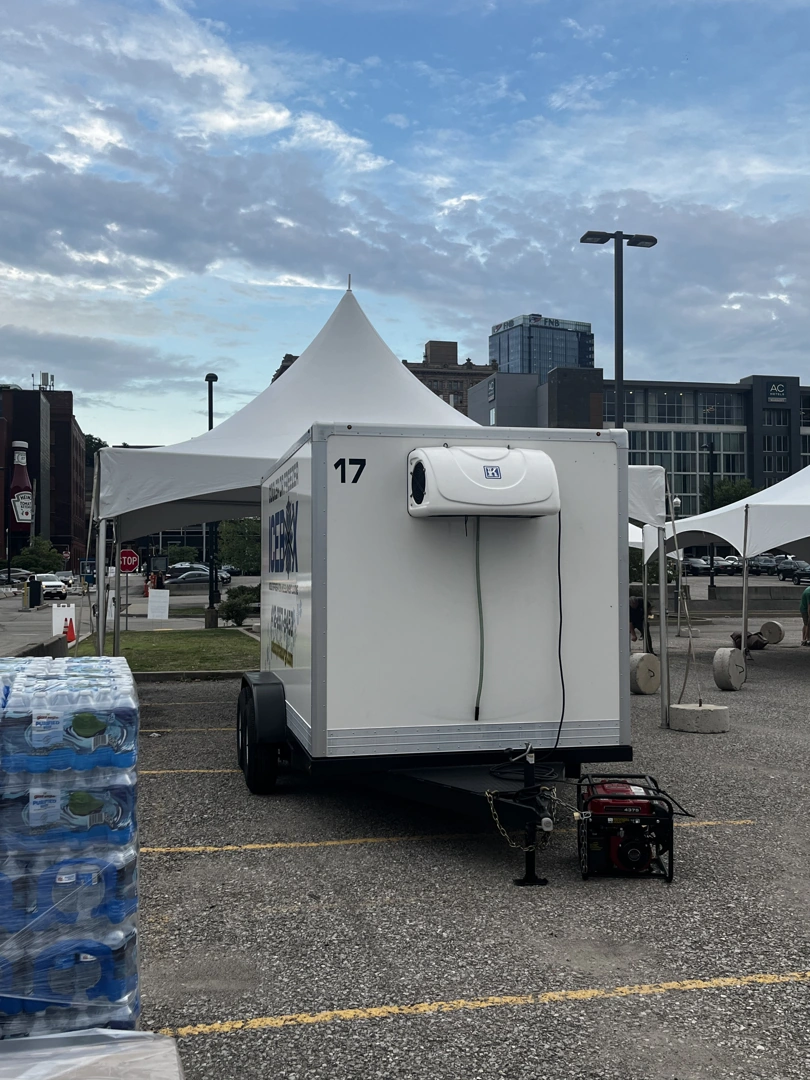
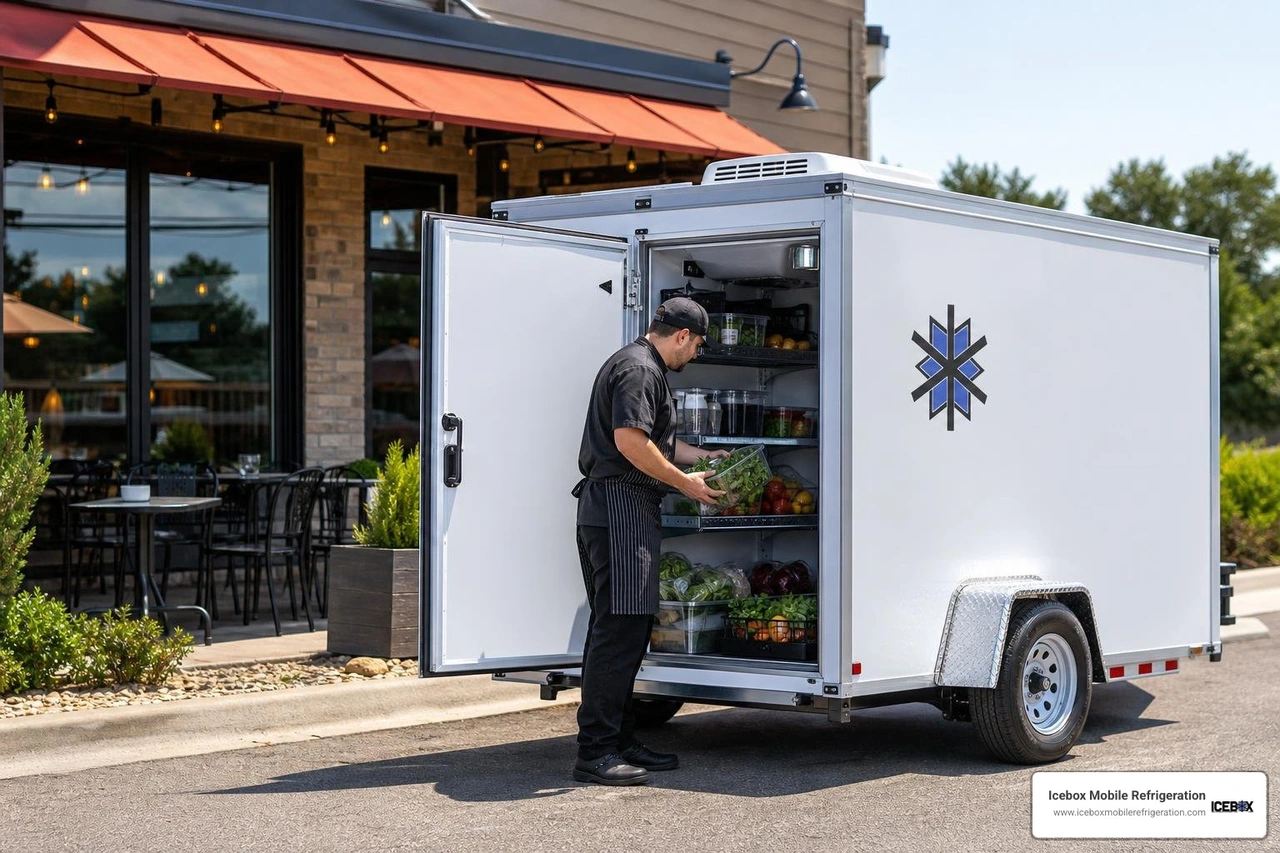
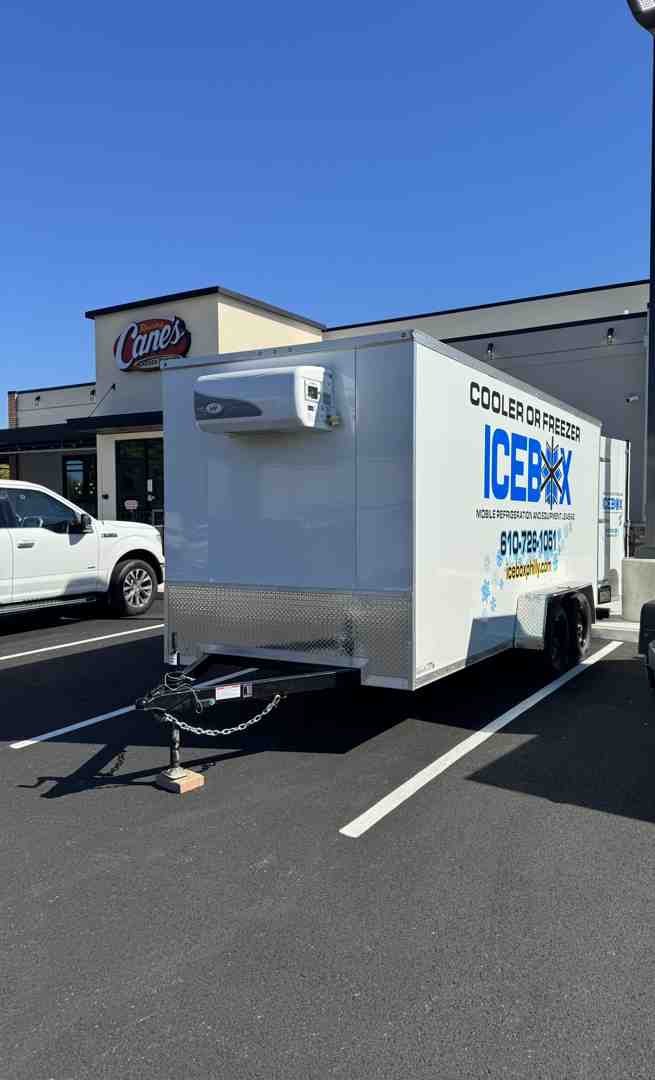
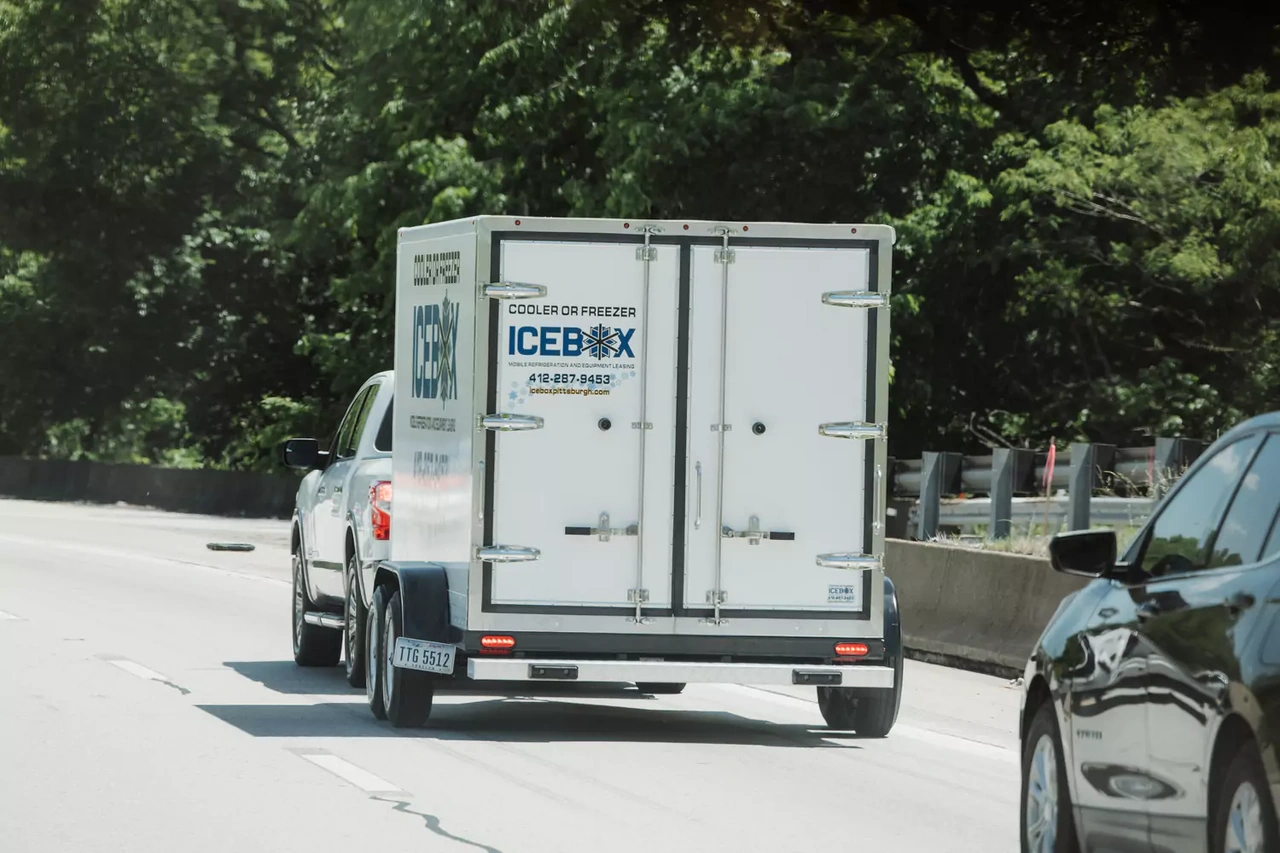
To manage these thermal demands, many craft breweries utilize temporary mobile cooler trailers. These units deliver immediate, walk-in cold space right outside your brewhouse or loading dock without requiring costly facility remodels.
| Cold Storage Method | Temperature Control Range | Deployment Speed | Best Operational Use Case |
|---|---|---|---|
| Mobile Cooler Trailer | 35°F – 50°F+ | Immediate (On-Demand) | Seasonal spikes, taproom events, emergency backup, off-site festivals |
| Mobile Freezer Trailer | Down to 0°F | Immediate (On-Demand) | Specialized freezing needs, rapid chill requirements |
| Permanent Built-In Cooler | 35°F – 45°F | Months (Construction) | Long-term core inventory and daily keg staging |
Critical Temperature Ranges and Cold Storage for Breweries Best Practices
Temperature precision directly dictates beer quality. Aging beer under specific controlled conditions causes desirable maturation, whereas improper short-term storage accelerates staling, off-flavors, and oxidation.
Different stages of brewing and holding demand strict thermal guidelines:
- Fermentation Control: Typically held around 50°F for ale styles using process cooling. Yeast activity generates significant heat during active fermentation, requiring active heat removal to prevent off-flavors.
- Lagering: Requires colder conditions, usually in the 35°F range, encouraging yeast settling, haze reduction, and smooth flavor profiles.
- Draught Keg Storage: Best maintained at 38°F. Storing unpasteurized draught beer warmer than 38°F causes excess CO2 breakout, leading to foamy pours and accelerated spoilage.
- Bottled & Canned Storage: Kept cool near 52°F (11°C) to prevent thermal degradation while avoiding extreme condensation that damages paper packaging and labels upon room-temperature entry.
Heat exposure and lightstruck reactions ("skunking") are the primary enemies of beer freshness. While a urban myth suggests rapid temperature swings spoil beer instantly, scientific research shows that prolonged exposure to high ambient heat accelerates chemical staling much faster than modest thermal shifts. Direct sunlight can cause lightstruck off-flavors within seconds in clear or green bottles. For a deeper breakdown on thermal management, check out our Brewery Cold Storage Guide.
Deploying Insulated Mobile Trailers and Cold Storage for Breweries Setup
Maintaining crisp interior temperatures requires high-performance insulation and structural seals. Standard walk-in units and mobile cooler trailers rely on rigid polyurethane foam panels to achieve thermal ratings of R-25 or higher. High R-values ensure your cooling units consume less electricity while holding target temperatures even during humid summer afternoons.
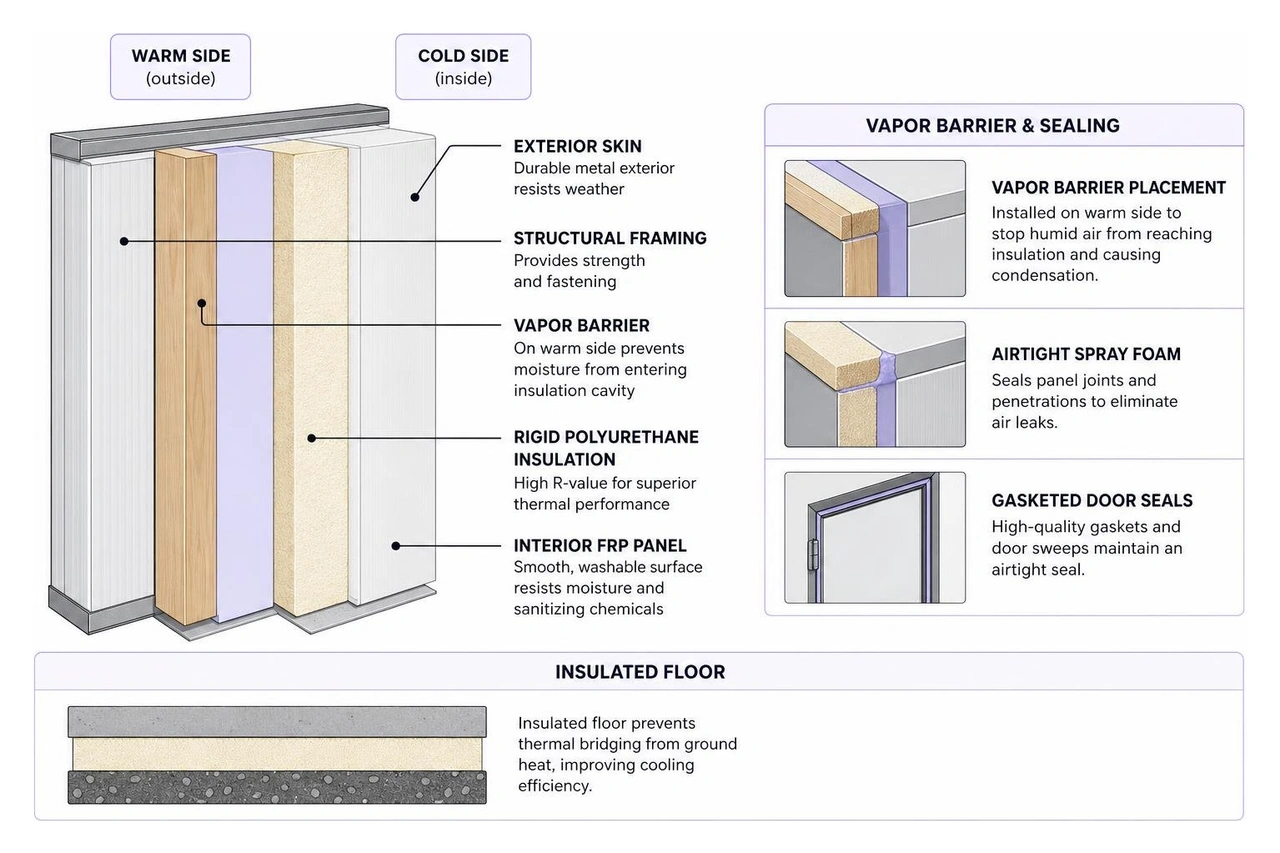
To prevent thermal loss and moisture migration, modern cold rooms and mobile trailer setups incorporate specific building practices:
- Vapor Barrier Placement: Always installed on the warm side of wall construction to prevent humid exterior air from condensing inside the insulation cavity.
- Airtight Spray Foam & Gaskets: Spray foam seals structural joints, while commercial door sweeps and gasketed edges eliminate air leaks.
- Floor Insulation: Insulating concrete or trailer floors prevents thermal bridging from ground ambient heat, improving cooling efficiency by roughly 15%.
- Washable FRP Panels: Fiber-Reinforced Plastic (FRP) interior walls provide a durable, seamless surface that withstands high-pressure washing and harsh sanitizing chemicals without absorbing moisture or harboring mold.
Comparing Mobile Trailer Configurations and Walk-In Cold Storage Options
Small to medium microbreweries must carefully weigh capital expenses when choosing cold storage solutions. While traditional commercial walk-in installations require major plumbing and expensive high-voltage electrical additions, on-site mobile trailers offer a flexible alternative.
Units equipped with standard 110-volt, 15-amp electrical setups allow breweries to simply plug into standard dedicated outlets or portable generators. Advanced digital temperature controllers manage cooling cycles accurately, avoiding coil icing while maintaining high part-load energy efficiency. Whether you need temporary keg holding or taproom event support, exploring our Drink Cooler Rental Complete Guide highlights how flexible power setups keep operational costs predictable.
Integrating On-Site Mobile Cold Storage Solutions for Brewery Operations
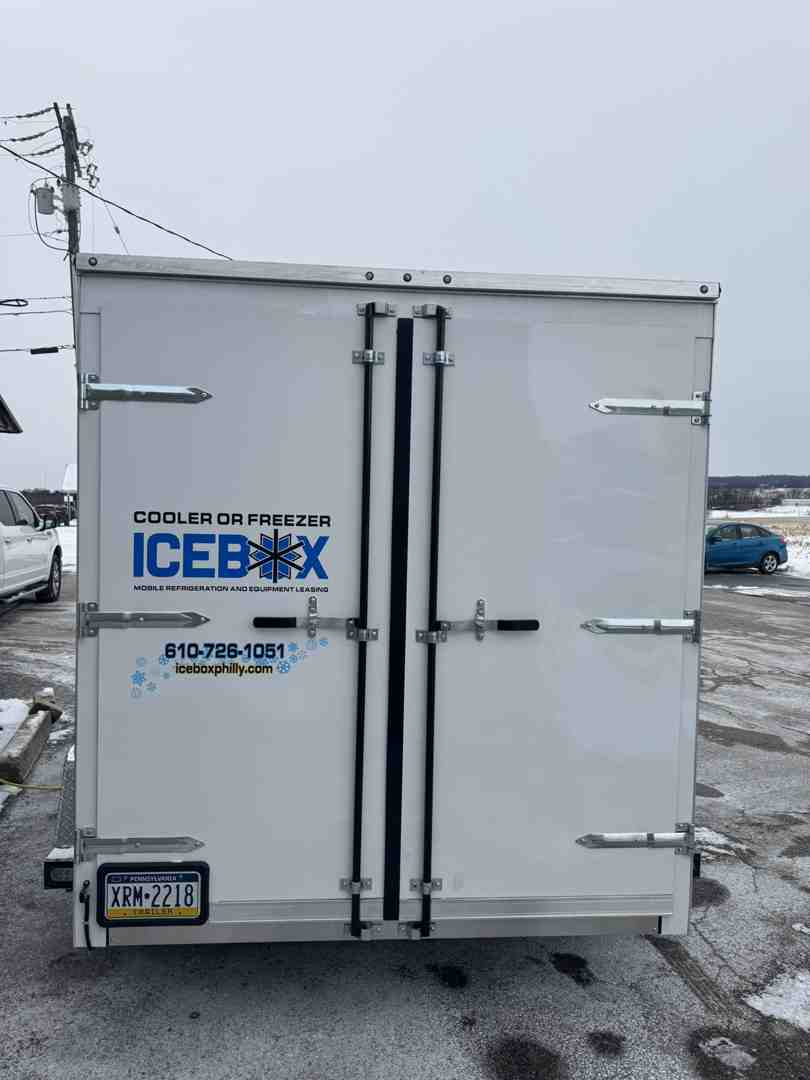
Integrating on-site mobile cold storage into daily operations keeps craft breweries nimble. When a limited seasonal release yields more cases than your internal cooler can hold, parking a mobile cooler trailer directly at your loading bay or taproom door instantly expands your physical storage footprint.
Because mobile cooler trailers operate on standard 110-volt power, deployment is virtually instant. They function seamlessly as temporary cold rooms during routine facility maintenance, cooler expansions, or unexpected equipment breakdowns.
Managing Taprooms, Distribution, and Event Overflow Cold Storage
Managing draft inventory across multiple sales channels demands constant flexibility. Between high-volume taproom weekends, distributor pick-up schedules, and off-site beer festivals, cold chain continuity is critical.
- Taproom Inventory Management: Stage back-up kegs and canned inventory in an outdoor mobile trailer adjacent to your serving lines to keep staff efficient during busy shifts.
- Festival & Event Draught Cooling: Keep cold kegs temperature-controlled directly on-site at community festivals, off-site catering, or pop-up taprooms without breaking the cold chain.
- Seasonal Production Spikes: Handle autumn Oktoberfest or summer ale production surges easily without paying for expensive permanent building expansions.
To learn more about organizing mobile units for outdoor pours and events, review our complete Refrigerated Beer Trailer Rental Guide 2026.
Avoiding Common Cold Storage Pitfalls and Protecting Beer Quality
When setting up temporary or mobile cold space, common pitfalls can compromise temperature stability and waste energy:
- Air Leakage & Damaged Door Seals: Worn door gaskets allow humid air inside, causing rapid coil icing and thermal spikes. Inspect door seals routinely.
- Improper Condensation Drainage: Ensure cooling units are mounted with proper drainage slopes to clear condensation away from walk areas.
- Inadequate Overhead Clearance: Placing cooling exhaust vents too close to structural walls restricts airflow, dramatically increasing energy draw.
- Thermal Loss from Open Doors: Minimize time walk-in doors remain open during pallet transfers or taproom restocking.
At Icebox Mobile Refrigeration, we understand that uninterrupted cold chain control is vital to your brewery's reputation and bottom line. We deliver clean, easy-to-set-up 110-volt mobile cooler trailers and mobile freezer trailers directly to your site across our East Coast service areas. Backed by 24-hour emergency support, our fleet ensures your beer stays crisp, cold, and brewery-fresh under any circumstance.
If you are planning an upcoming taproom expansion, preparing for festival season, or facing unexpected cooling downtime, contact us today for customized rental quotes tailored to your brewery's exact footprint across our service locations.
Choose the perfect rental option
Explore our wide range of trailer rentals and find the one that suits your needs
%20(2)-min.webp)
Discover New Blog Posts
Stay updated with our latest blog content.