Comparing Types of Temporary Storage Rental Options
When evaluating a temporary storage rental, businesses, event organizers, and commercial kitchens often compare fixed off-site facilities with versatile, on-site mobile units. While traditional off-site storage centers in major metropolitan hubs like Chicago, IL or Augusta, GA provide fixed space for non-perishable goods, they introduce significant logistical challenges for temperature-sensitive inventory. Off-site options require loading perishable items into haul vehicles, driving through heavy traffic, and unloading everything again at a remote facility. This double-handling process increases labor costs, demands extra staff hours, and heightens the risk of product spoilage during transit. On-site mobile cold storage eliminates that unnecessary double-handling entirely by placing temperature-controlled space directly on your property.
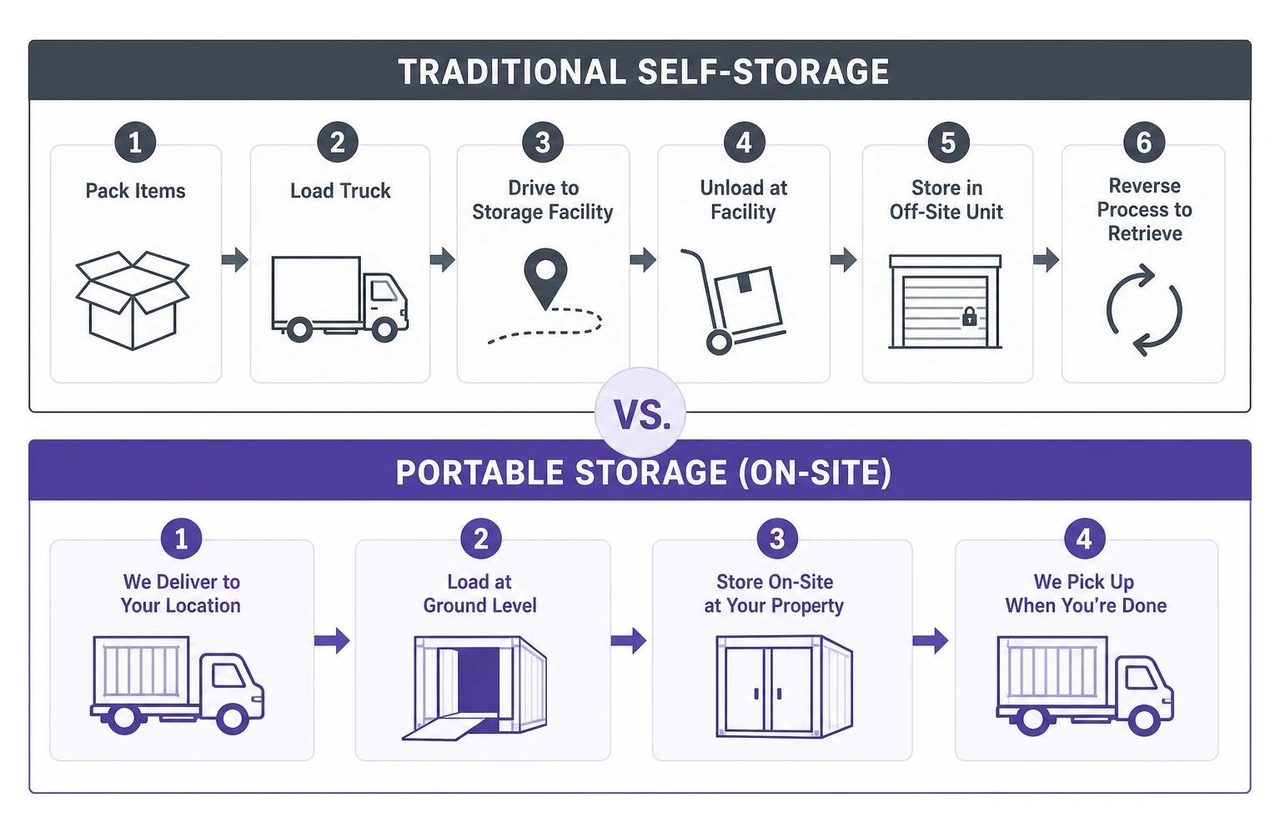
Key Differences in Portable vs Self-Service Temporary Storage Rental
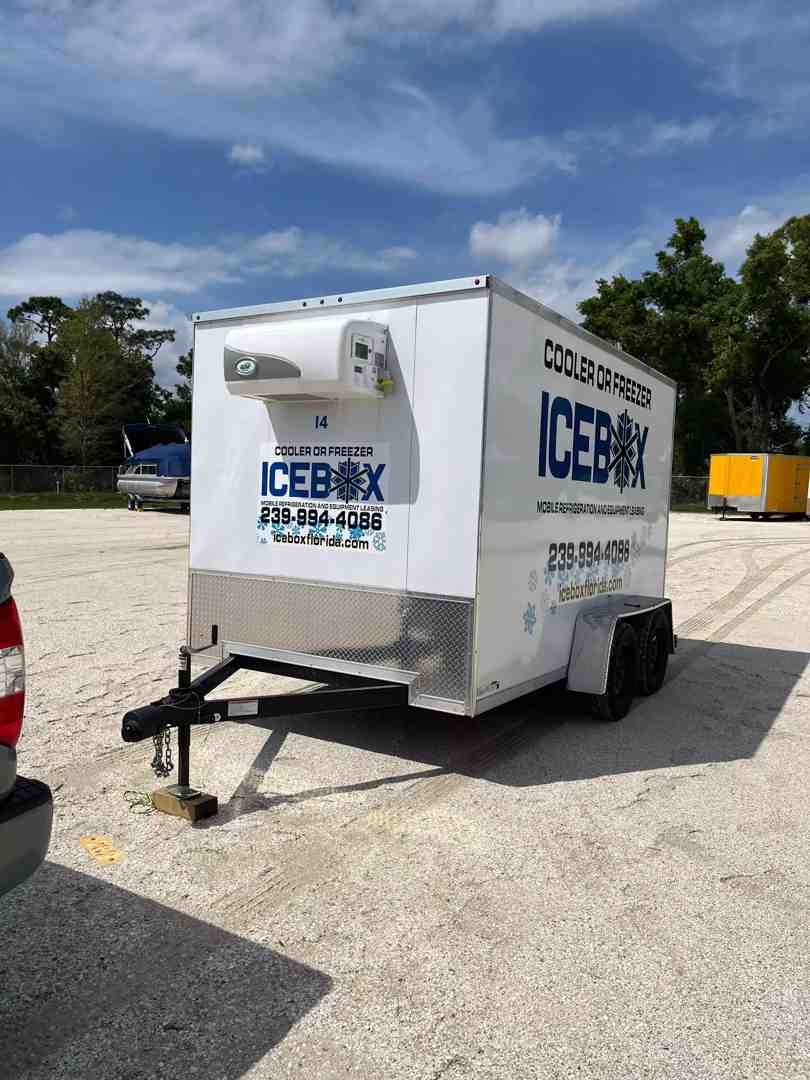
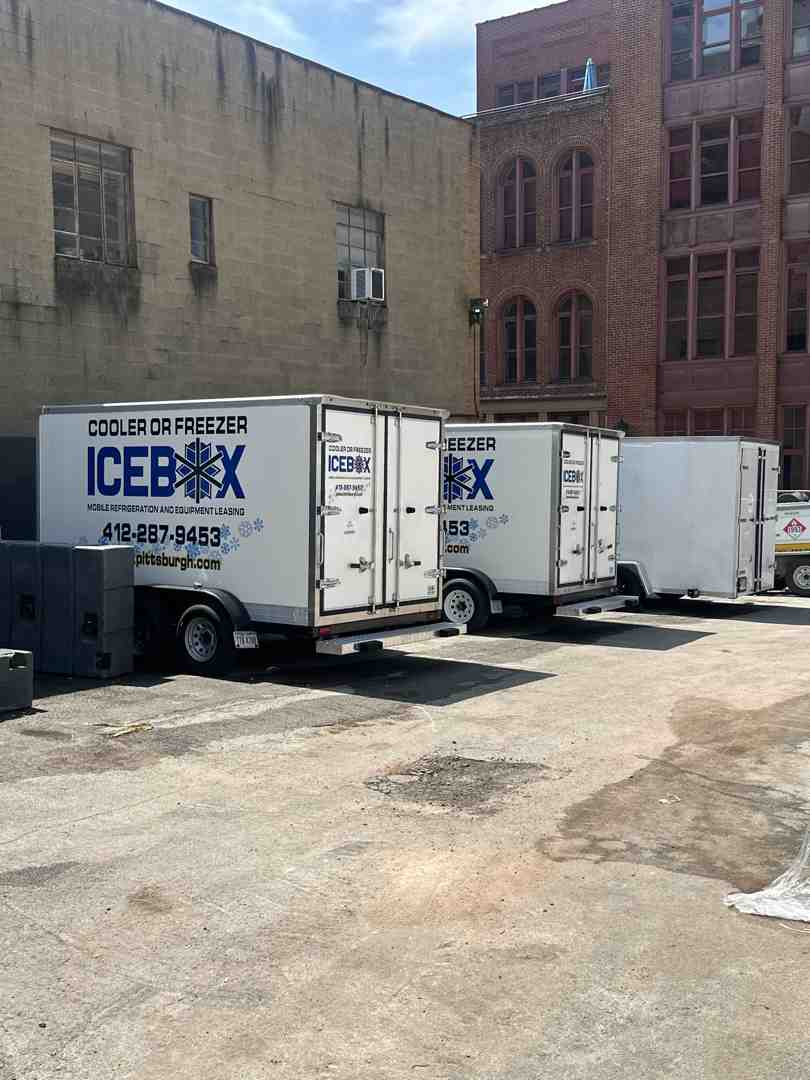
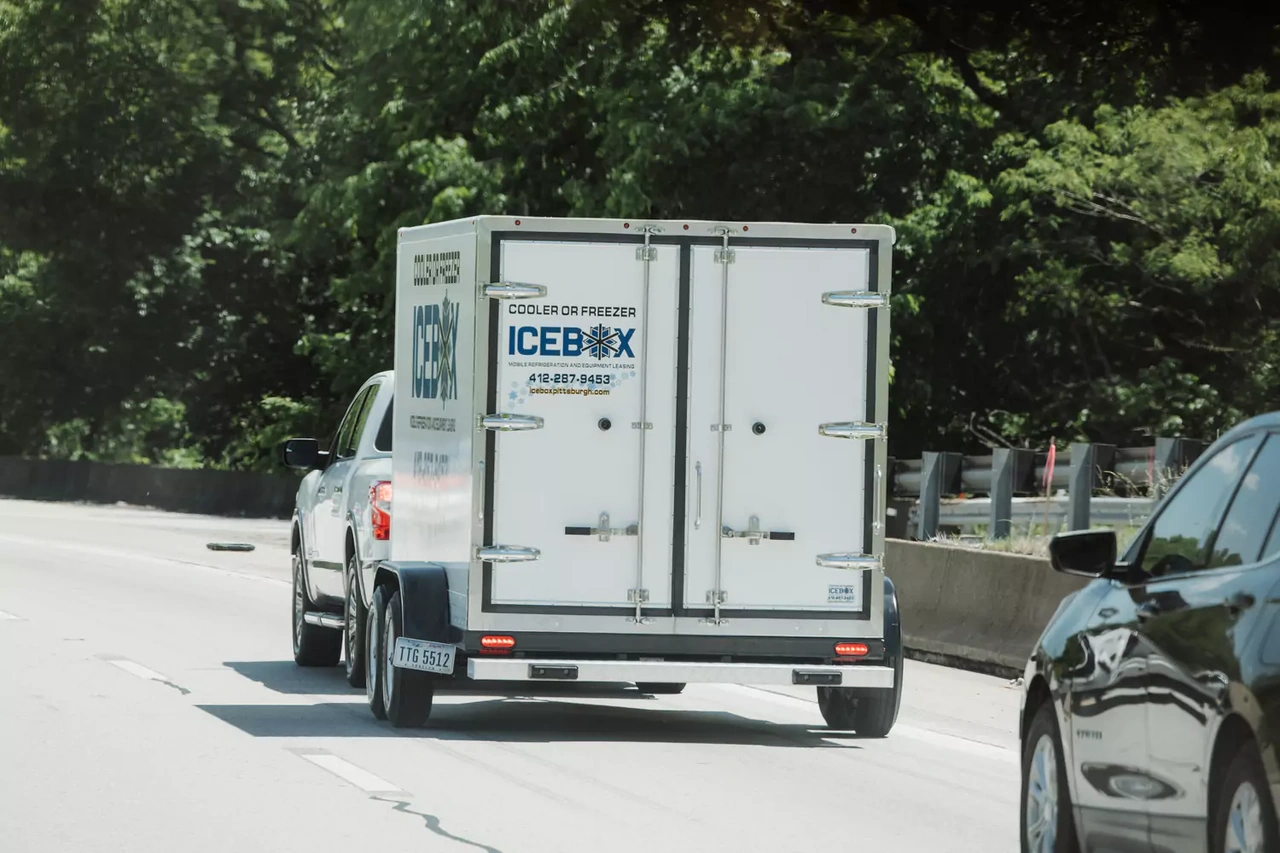
Portable cold storage units bring the functionality of a walk-in cold room directly to your location. Instead of spending critical hours driving back and forth to an off-site facility during a high-stakes catering event, kitchen renovation, or seasonal surge, our refrigerated trailers sit conveniently steps away from your back door, kitchen prep zone, or venue entrance.
Ground-level walk-in access ensures staff members can step inside safely and quickly without navigating steep loading ramps, negotiating high truck beds, or waiting on freight elevators. By keeping temperature-sensitive inventory immediately accessible, your team maintains efficient workflow, protects cold-chain integrity, and reduces operational downtime.
Climate-Controlled Containers and On-Site Storage Units
Standard ambient climate-controlled storage units typically keep indoor temperatures between 65°F and 85°F to protect dry goods from extreme humidity or freezing weather. However, true commercial cold storage demands active cooling and precise thermal management. Standard climate control cannot protect raw meats, dairy, fresh floral arrangements, or frozen goods.
Mobile cooler trailers maintain consistent, reliable temperatures between 34°F and 40°F, ensuring fresh ingredients and sensitive products stay perfectly chilled. For long-term freezing or frozen inventory management, mobile freezer trailers maintain steady set points down to 0°F to eliminate thawing and preserve food safety. To explore these options in greater detail, consult our Temporary Storage Solutions Guide 2026 and examine versatile setups for flexible Cold Storage Rental.
Container Sizes and Capacity Selection
Choosing the proper trailer capacity prevents paying for unused square footage while ensuring your inventory fits comfortably with adequate room for air circulation.
| Trailer Option | Dimensions | Approximate Footprint | Cubic Feet | Ideal Use Case |
|---|---|---|---|---|
| Compact Mobile Cooler Trailer | 7' x 12' | 84 sq. ft. | ~450 cu. ft. | Catering events, small restaurant overflow, floral storage |
| Standard Mobile Cooler/Freezer | 7' x 16' | 112 sq. ft. | ~600 cu. ft. | Full home or commercial remodels, peak seasonal inventory |
| Large Walk-In Cold Trailer | 8' x 20' | 160 sq. ft. | ~900 cu. ft. | Large festival catering, major emergency backup storage |
When estimating your required trailer volume, remember to account for internal walkway space. Leaving a clear central aisle allows staff to retrieve items safely without constantly shifting heavy boxes, while maintaining essential ventilation throughout the unit.
How to Choose and Book the Right Temporary Storage Rental
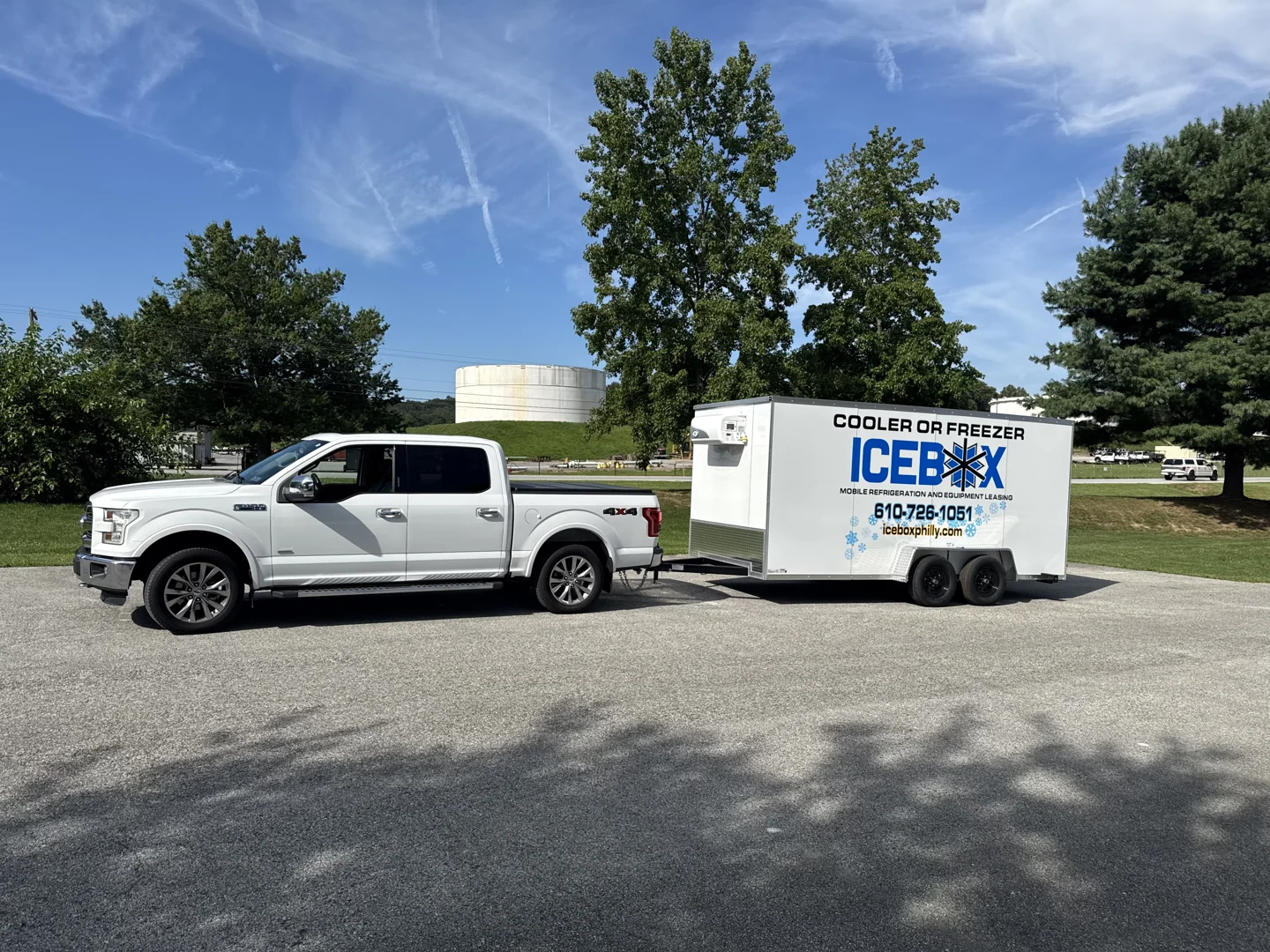
Booking an on-site mobile cold trailer is a seamless process when you understand your site layout, clearance parameters, and power access.
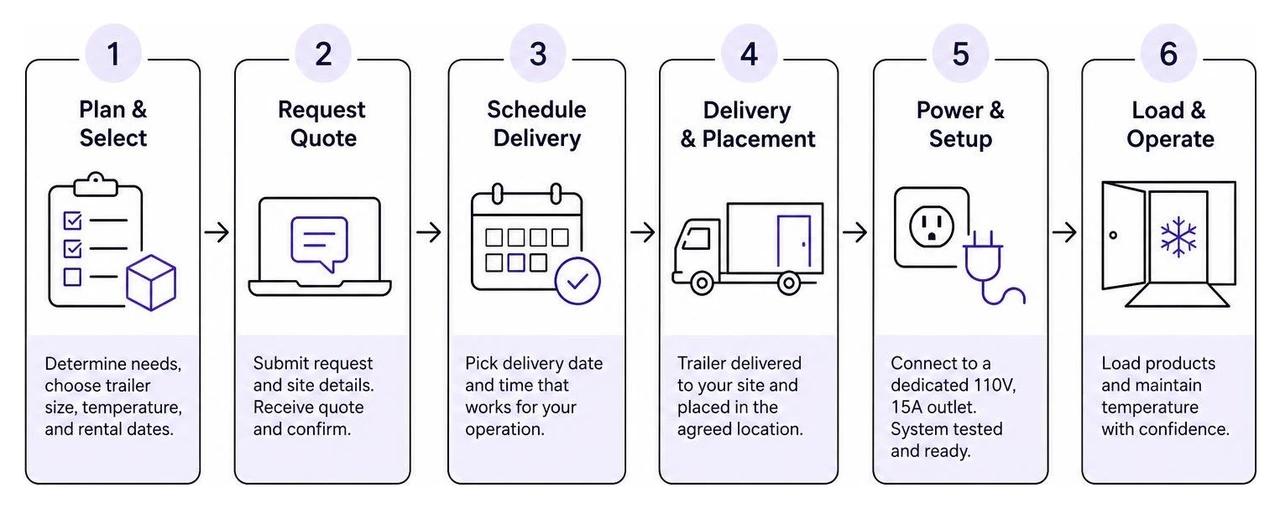
Rental Process, Delivery, and Logistics
Our walk-in trailer units are engineered for immediate, hassle-free plug-and-play operation. Each unit operates using a standard 110-volt, 15-amp dedicated electrical connection. This eliminates the necessity for complex high-voltage hardwiring, expensive utility upgrades, or loud diesel generators.
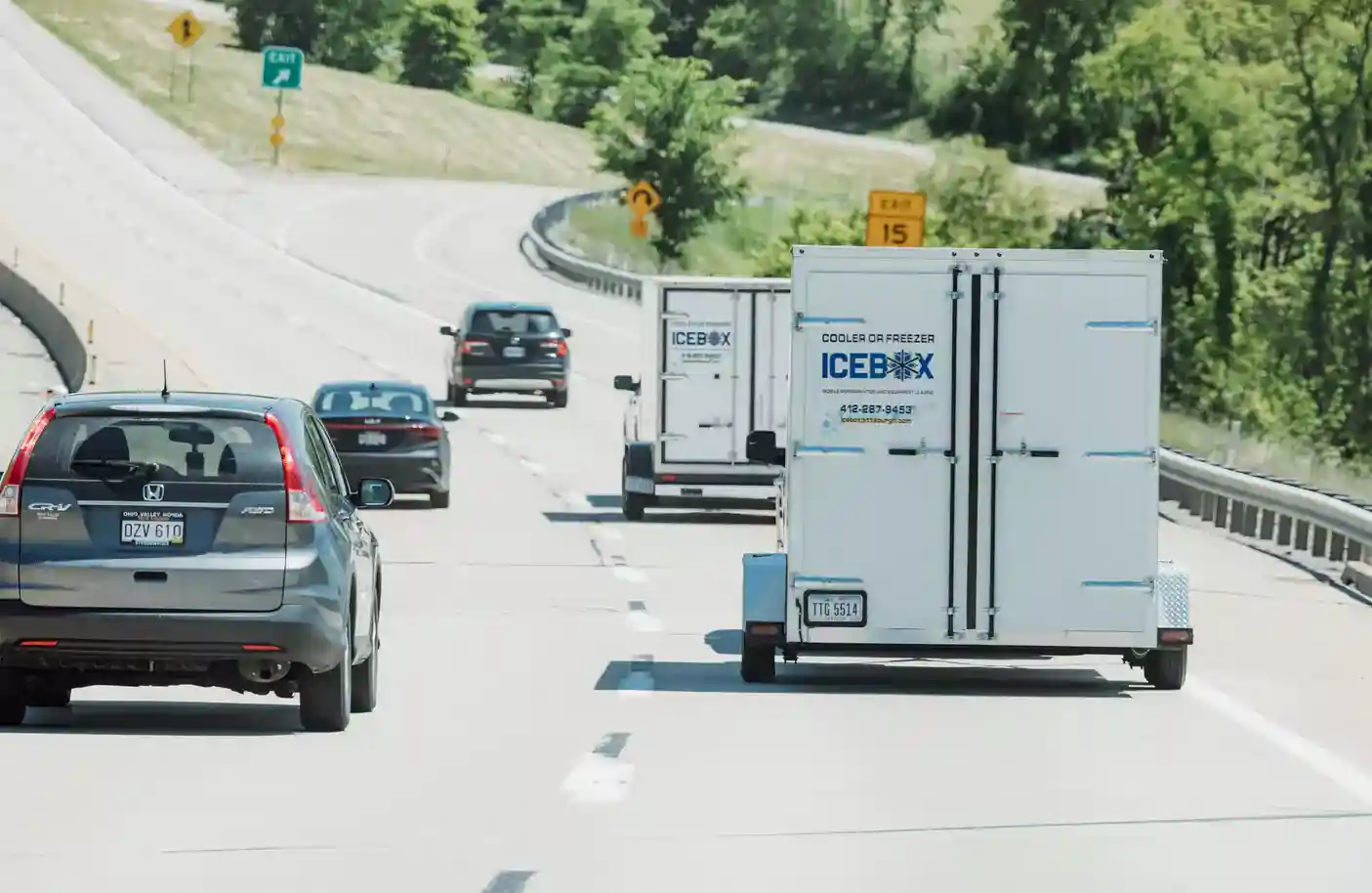
Smooth delivery requires ground-level access, adequate overhead clearance, and a level surface for trailer placement. Specialized trailer tires and integrated levelling systems protect sensitive surfaces, such as asphalt parking spaces and residential driveways, preventing structural marking or structural surface wear.
Before delivery day, identify the closest dedicated outlet, confirm that the cord path will not cross busy walkways, and clear the placement area of vehicles, pallets, waste containers, and low-hanging branches. If your rental supports a festival, restaurant remodel, hotel banquet, school kitchen, grocery overflow, or emergency equipment outage, assign one staff member to manage loading rules and door access. This simple preparation helps the unit reach the requested temperature quickly and keeps inventory movement organized from the first hour of use.
Pricing Structures and Security Features for Temporary Storage Rental
Rental investment varies based on trailer size, rental duration, and delivery distance across our East Coast service area. We offer transparent custom quotes tailored specifically to your project requirements so you pay only for the exact equipment and time you need without hidden fees.
Security and temperature retention are paramount for high-value inventory. Every walk-in unit features heavy-duty lockable door handles, interior safety emergency release handles, weather-tight rubber seals, and commercial-grade thermal insulation to protect stored goods against high summer heat. For additional guidance on securing your cold chain during emergency outages or planned projects, read our Temporary Cold Storage Complete Guide.
Preparing and Packing Your Belongings for Storage
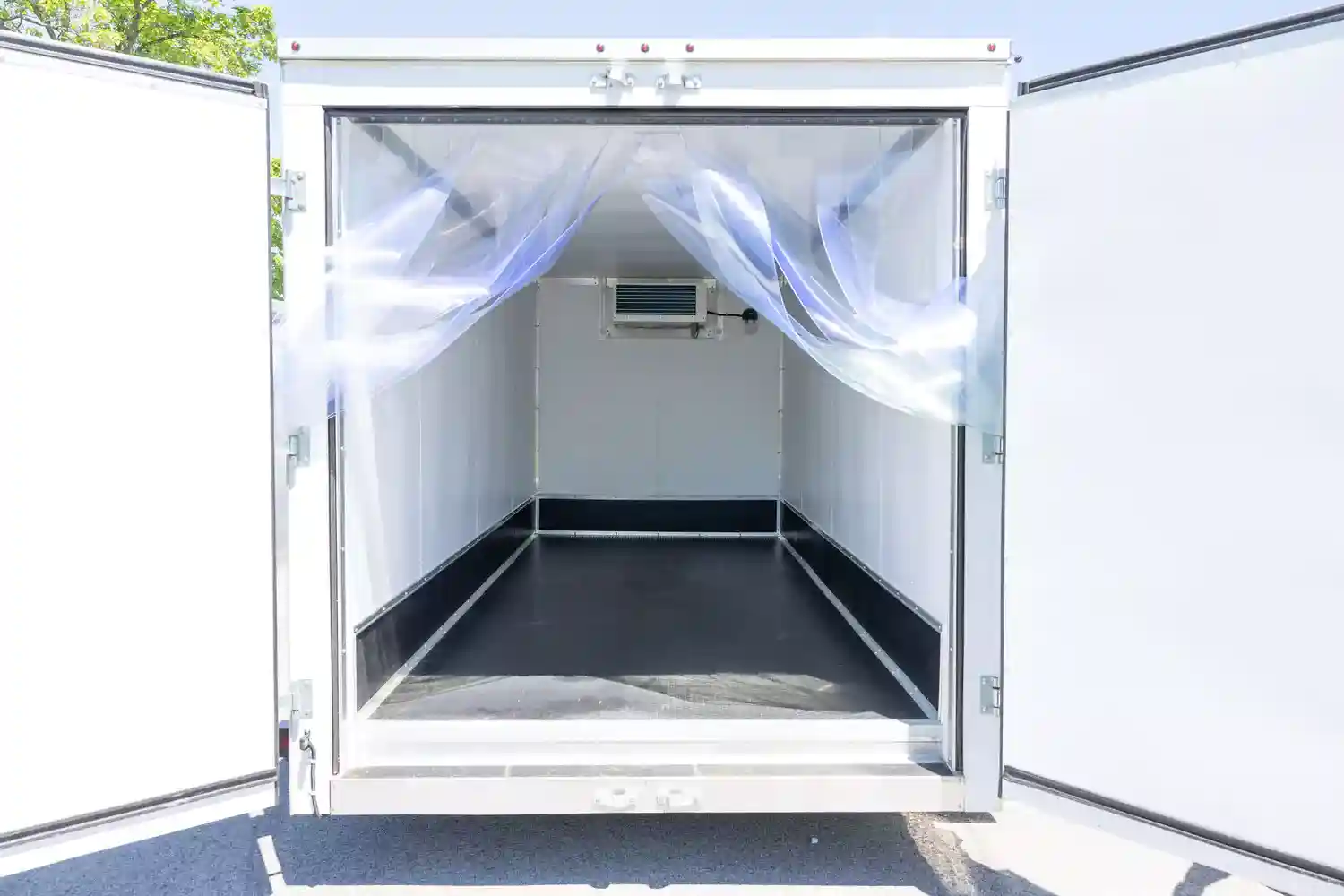
Organizing your temporary walk-in trailer efficiently ensures maximum storage capacity and optimal cooling performance across all stored items.
Best Practices for Packing Cold Storage:
- Place heavy crates, bulk boxes, and dense items near the floor and centered over the trailer axle for proper weight distribution.
- Maintain at least a 4-inch gap between stored inventory and interior sidewalls to facilitate consistent cold air circulation.
- Never stack items directly in front of the front evaporator fan unit to avoid blocking cool airflow throughout the chamber.
- Store food and beverage products in sturdy, stackable plastic totes or wire shelving units to elevate items off the interior floor.
- Strictly avoid storing flammables, non-approved chemicals, or hazardous materials inside cold storage units.
For food-focused temporary storage rental planning, teams should also separate raw proteins from ready-to-serve items, label date-sensitive inventory, and rotate stock using first-in, first-out handling. Public food safety resources, such as the federal FoodSafety.gov cold food storage charts, can help operators understand general holding-time guidance while they follow their own local health department requirements and internal safety procedures. Keeping a small thermometer log, minimizing unnecessary door openings, and staging high-demand products near the entry can further support consistent temperatures during busy service windows.
Whether you are preparing for scheduled seasonal overflow or facing a sudden equipment breakdown, Icebox Mobile Refrigeration provides fast 24-hour emergency delivery for simple, 110-volt walk-in trailer rentals. Locate a service facility near you across our expanding list of locations and service areas and request your personalized rental quote today!
Choose the perfect rental option
Explore our wide range of trailer rentals and find the one that suits your needs
%20(2)-min.webp)
Discover New Blog Posts
Stay updated with our latest blog content.