Why Understanding Refrigeration Units Matters for Your Business

A refrigeration unit is a cooling system that maintains specific low temperatures to preserve perishable goods, using components like a compressor, condenser, evaporator, and expansion valve to continuously remove heat from an enclosed space.
Quick Answer: What is a Refrigeration Unit?
A refrigeration unit creates and maintains cold temperatures through these key elements:
- Core Function: Removes heat from an enclosed space and transfers it outside
- Essential Components: Compressor, condenser, evaporator, and expansion valve work together in a continuous cycle
- Common Types: Vapor-compression systems (most common), absorption systems (heat-driven), and thermoelectric coolers
- Applications: Food storage, commercial refrigeration, mobile cold storage, and event catering
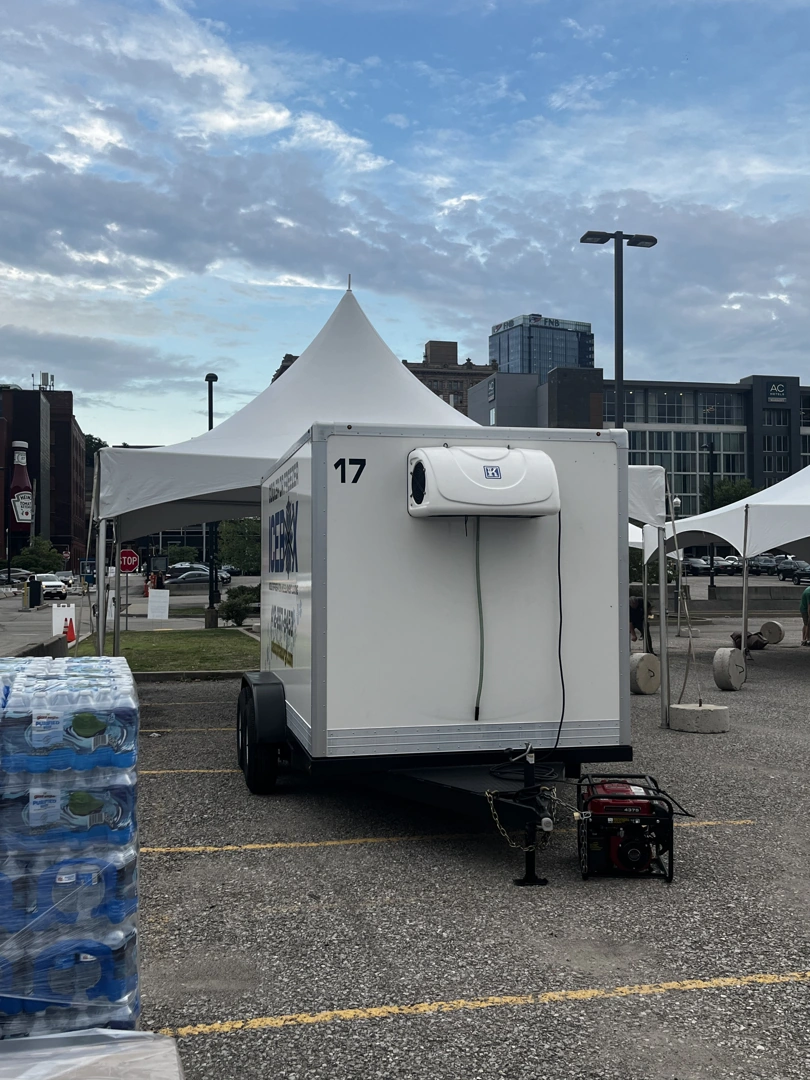
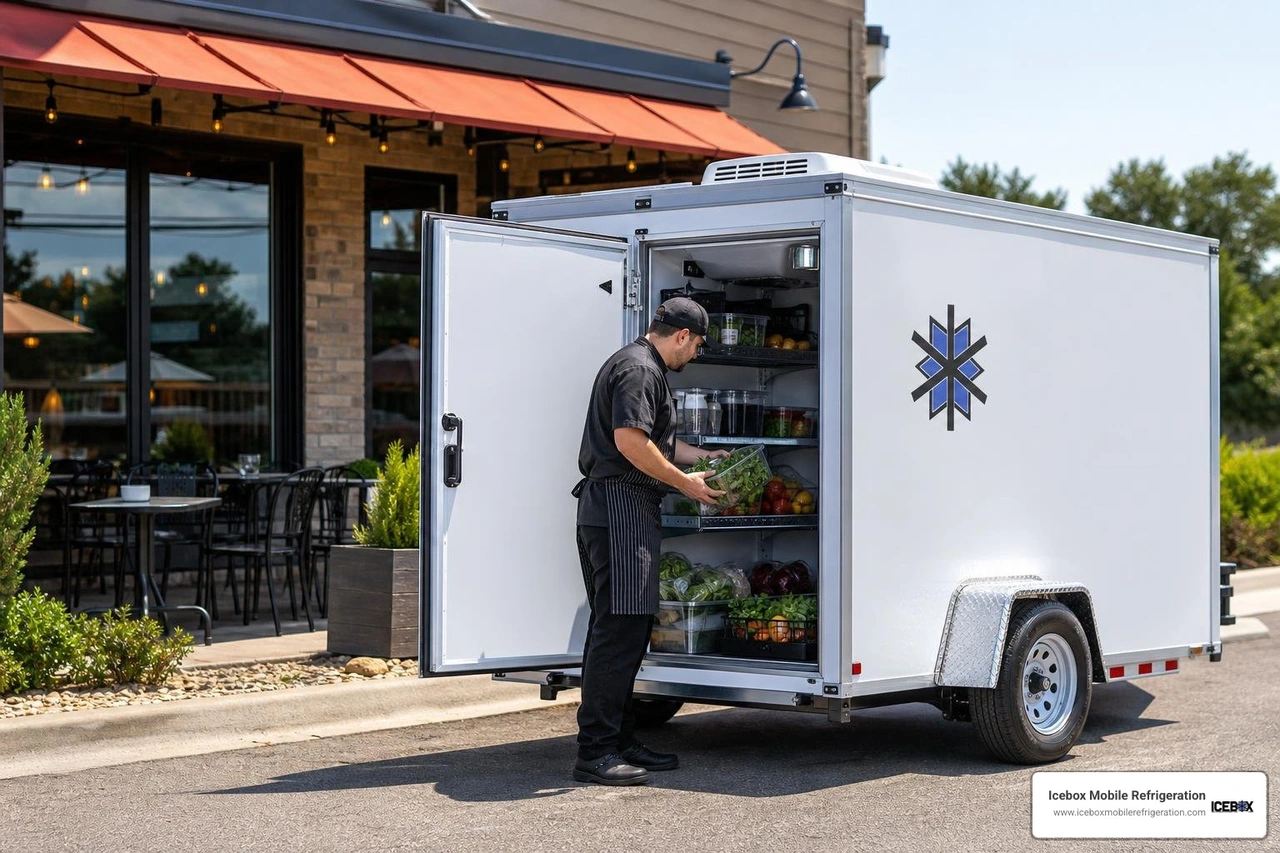
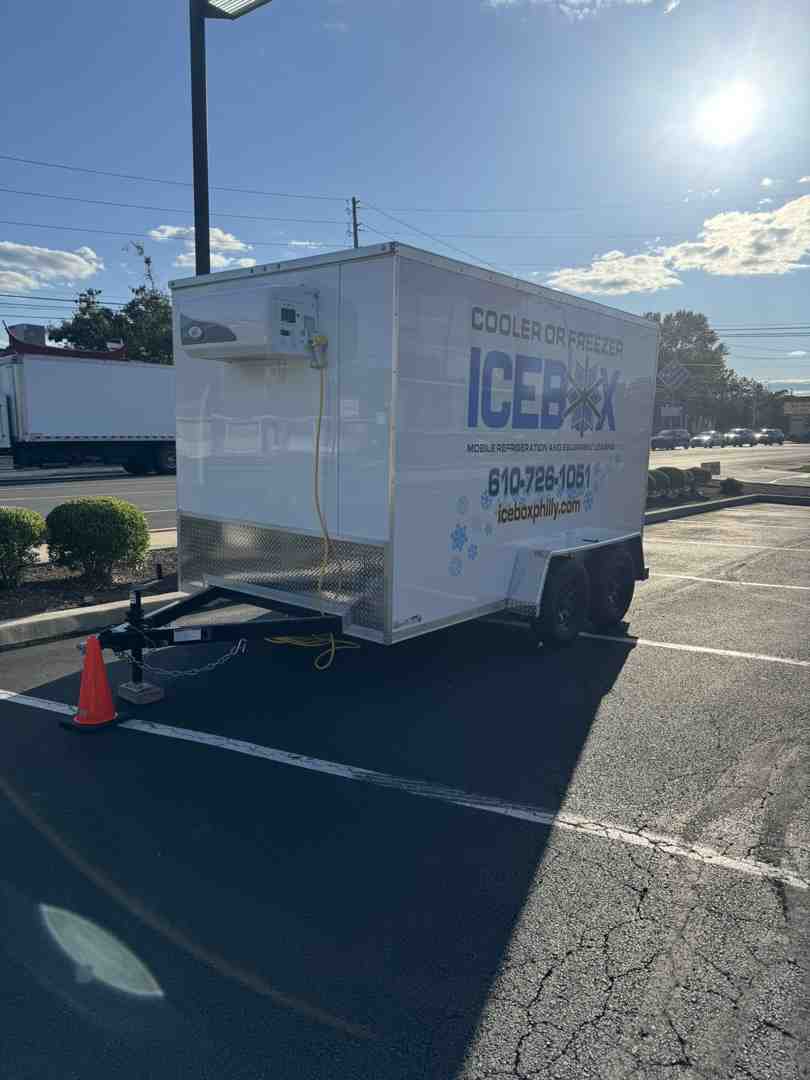
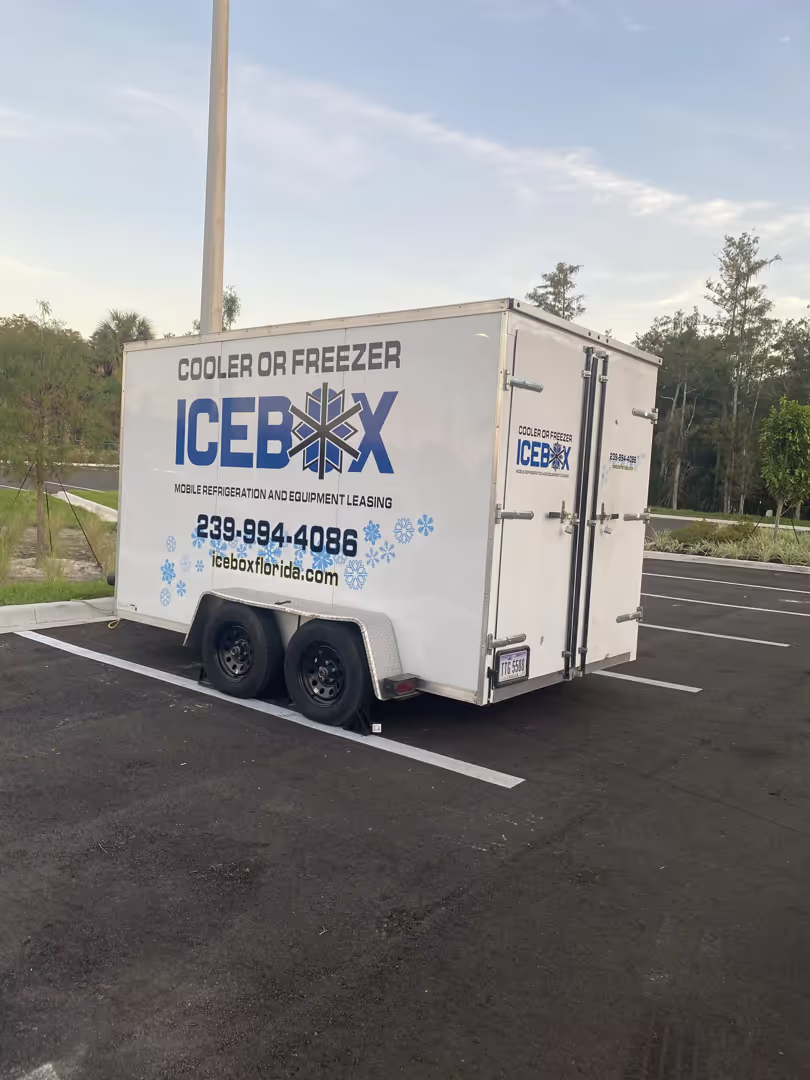
- Mobile Units: Refrigerated trailers and freezer trailers delivered to your location for on-site cold storage
Whether you're planning a catered event, managing a busy restaurant kitchen, or dealing with unexpected refrigeration failure, understanding how refrigeration units work helps you make better decisions when you need cold storage fast.
The technology behind keeping things cold has evolved dramatically. From massive industrial systems to compact mobile trailers, refrigeration units now serve diverse needs across industries. Modern units can maintain temperatures from just above freezing down to deep-freeze levels, all while being efficient enough to run on standard electrical connections.
For event planners and food service professionals on the East Coast, mobile refrigeration trailers offer a game-changing solution. These aren't the massive 18-wheelers you see on highways—they're smaller box trailers designed to park at your location and provide reliable cold storage exactly where you need it. They operate quietly, connect to standard 110-volt power, and can be delivered within hours for emergency situations.
The vapor-compression cycle that powers most refrigeration units is surprisingly simple: a refrigerant continuously cycles between liquid and gas states, absorbing heat inside the unit and releasing it outside. This same principle works whether you're cooling a walk-in cooler, a display case, or a 53-foot mobile freezer trailer.
Understanding these fundamentals helps you choose the right solution for your specific needs—whether that's temporary overflow storage during your busy season, emergency backup when your main cooler fails, or reliable cold storage for a multi-day outdoor event.

Core Components and Mechanics of a Refrigeration Unit
To understand a refrigeration unit, we first have to look at it as a heat mover rather than a "cold maker." Physics tells us that we can't actually create "cold"; we can only remove heat. Every unit, from the small trailer we might deliver to a restaurant in Philadelphia, PA, to a massive industrial rack, relies on a specific set of components to get that heat out.
The most widely used method globally is the Vapor-compression refrigeration (VCRS) cycle. This system uses a circulating refrigerant as the medium which absorbs and removes heat from the space to be cooled and subsequently rejects that heat elsewhere.

There are four "stars of the show" in this mechanical performance:
- The Compressor: Often called the heart of the refrigeration unit, the compressor does exactly what its name suggests. It squeezes the refrigerant gas, increasing its pressure and temperature. In our mobile units, these compressors are engineered to be rugged yet quiet.
- The Condenser: This is where the heat is "voted off the island." The high-pressure, hot gas flows through the condenser coils (usually located outside the refrigerated space). As air blows over these coils, the refrigerant loses heat and turns back into a high-pressure liquid.
- The Expansion Valve: This component acts as a gatekeeper. It restricts the flow of the liquid refrigerant, causing a sudden drop in pressure. If you’ve ever sprayed an aerosol can and felt it get cold, you’ve experienced this principle in action!
- The Evaporator: Now a cold, low-pressure liquid, the refrigerant enters the evaporator coils inside the trailer. It absorbs heat from the air inside, causing the refrigerant to evaporate back into a gas. This leaves the air inside the unit crisp and cold.
How a Mobile Refrigeration Unit Works
In on-site storage, efficiency and reliability are king. When we deliver a refrigeration unit to a client in Charlotte, NC, or Nashville, TN, we are providing a finely tuned machine that manages heat transfer through phase changes.
Refrigerants are the lifeblood of this process. Historically, the industry used substances that weren't great for the environment, but things have changed. Modern research is focusing on more benign options, such as supercritical carbon dioxide, known as R-744. These "natural refrigerants" have significantly lower global warming potential while maintaining similar efficiencies to older compounds.
When selecting a unit, looking for ENERGY STAR® guidelines is a smart move. Units that meet these strict energy efficiency guidelines established by the EPA help lower greenhouse gas emissions and, importantly for your bottom line, reduce energy costs. For a deeper dive into how these systems integrate into business operations, check out our commercial refrigeration solutions guide.
One of the coolest (pun intended) things about our specific mobile units is that they are optimized for 110-volt power. While many industrial units require complex three-phase electrical hookups, our trailers are designed to plug into a standard outlet, making them perfect for quick deployment at a local festival or a restaurant with a blown fuse.
Comparing Vapor-Compression and Absorption Systems
While vapor-compression is the heavyweight champion of the refrigeration world, it’s not the only player. You might encounter Absorption refrigerator technology, especially in specific niches like RVs or remote areas.
The primary difference? A vapor-compression system uses a mechanical compressor (powered by electricity), while an absorption system uses a heat source (like propane, solar, or waste heat) to drive the cycle.
| Feature | Vapor-Compression (VCRS) | Absorption Refrigeration |
|---|---|---|
| Power Source | Electricity (Mechanical) | Heat (Propane, Solar, Waste Heat) |
| Moving Parts | Compressor, Fans | Very few (often none) |
| Noise Level | Moderate (Compressor hum) | Nearly silent |
| Efficiency (COP) | High (Typically 2-5) | Lower (About 1/5th of VCRS) |
| Common Use | Commercial/Home/Mobile Trailers | RVs, Campers, Remote Medical |
Absorption units are fantastic when electricity is unreliable or noise is a major concern. However, for the high-demand needs of a busy catering business in Miami, FL, the power and recovery speed of a vapor-compression refrigeration unit are usually the better choice. VCRS systems can handle the "door-opening load"—the heat that rushes in every time a chef grabs a crate of produce—much more effectively than absorption systems.
Selecting the Right Refrigeration Unit for Your Business
Choosing the right refrigeration unit isn't just about picking the biggest box. It's a balance of capacity, power availability, and the specific thermal load of your cargo. Whether you are in Cleveland, OH, or Augusta, GA, the goal is to keep your inventory safe without overpaying for capacity you don't need.
One of the first questions we ask our clients is about their power source. Our USP is our 110-volt walk-in trailer units. This is a massive advantage because it eliminates the need for expensive generators or specialized electrical work. You can find more about our specific offerings on our mobile refrigeration units page.
When we talk about "capacity," we aren't just talking about physical space. We’re talking about "tons of refrigeration"—a unit of power used to describe how much heat the unit can remove. For most small to medium businesses, our walk-in cooler services provide the perfect footprint: large enough to hold several pallets, but small enough to fit in a standard parking space.
Applications for a Portable Refrigeration Unit
The versatility of a portable refrigeration unit is hard to overstate. We see them used in three main categories:
- Events and Festivals: If you're running a wedding in Charleston, SC, or a music festival in Detroit, MI, you need on-site cold storage for drinks and catering. Our mobile refrigeration units events guide covers how to plan for these high-traffic scenarios.
- Emergency Backup: This is where our 24-hour service shines. If a restaurant's permanent walk-in fails on a Friday night, they risk losing thousands of dollars in inventory. We can deploy emergency refrigeration units immediately to save the day (and the steak).
- Seasonal Overflow: Many businesses in places like Myrtle Beach, SC, or Tampa Bay, FL, see massive spikes in demand during the summer. Instead of building a permanent addition, they rent a trailer for a few months. For a full breakdown of how to handle these peaks, see our event refrigeration rental ultimate guide.
Key Factors in Choosing Mobile Cooler Trailers
When you’re ready to rent or buy, keep these factors in mind:
- Temperature Range: Do you need a cooler or a freezer? Our refrigerated trailers are perfect for produce, floral, and beverages (maintaining 33°F and up). Our freezer trailers are designed for frozen goods, maintaining temperatures from 0°F to 32°F. Note: Our mobile freezer units are not designed to operate below 0°F.
- Insulation Quality: Look for high-density foam insulation. This ensures the portable refrigeration unit doesn't have to work overtime, saving you energy and wear on the compressor.
- Footprint: Space is often at a premium. Our units are designed to be "walk-in," meaning they have a low entry point and a compact exterior that fits in tight alleys behind restaurants in Pittsburgh, PA.
- Recovery Time: This is how fast the unit gets back to the set temperature after the door has been opened. If you have high foot traffic, you need a unit with a powerful mobile freezer rental capacity or cooling power to counteract that heat gain.
For temporary needs, temporary refrigeration units are often the most cost-effective path, allowing you to scale your storage up or down without a long-term capital investment.
Maintenance and Regulatory Compliance
Owning or renting a refrigeration unit comes with responsibilities. For one, you have to stay on the right side of the law—specifically the FDA Sanitary Transportation rule. While this rule often targets long-haul trucking, the principles of cleanliness and temperature documentation apply to any commercial food storage.
Maintenance is also vital. A clean unit is an efficient unit.
- Coil Cleaning: Dust and grease on condenser coils act like a blanket, trapping heat and forcing the compressor to work harder.
- Defrost Cycles: Most modern units have automatic hot gas defrost cycles. This prevents ice from building up on the evaporator, which would otherwise block airflow and stop the cooling process.
- EPA Section 608: Any time a refrigeration unit needs a refrigerant recharge or repair, it must be handled by a technician certified under Section 608 of the Clean Air Act. This ensures that refrigerants (which can be harmful to the ozone layer) are handled safely.
If you ever run into trouble, our commercial refrigeration service ultimate guide is a great resource, and we offer emergency refrigeration repair for our rental fleet to ensure your business never stops.
The Future of On-Demand Cold Storage
The world of refrigeration is getting smarter. We are seeing a massive shift toward IoT (Internet of Things) integration. Imagine being able to check the temperature of your rental trailer in Columbia, SC, from your phone while you're at home in Zanesville, OH. Modern telematics allow for real-time monitoring and alerts if a temperature deviation occurs, preventing spoilage before it happens.
Sustainability is the other big trend. As we mentioned, the move toward natural refrigerants like R-744 is accelerating. Furthermore, the development of high-efficiency compressors with variable-speed technology means that the refrigeration unit of 2025 will use significantly less power than the models of a decade ago.
As we look toward the mobile refrigeration trailer guide 2025, Icebox remains committed to providing the most reliable, easy-to-use cold storage solutions on the East Coast. Whether you need a cooler for a backyard bash or a freezer for a hospital emergency, we have the fleet and the expertise to help.
Ready to secure your cold storage? Whether you're in Akron, OH, or Fort Lauderdale, FL, we are here to help you keep your cool.
Contact us today for a quote on your next mobile refrigeration rental!
Choose the perfect rental option
Explore our wide range of trailer rentals and find the one that suits your needs
%20(2)-min.webp)
Discover New Blog Posts
Stay updated with our latest blog content.