Core Categories and Features in Food Service Refrigeration
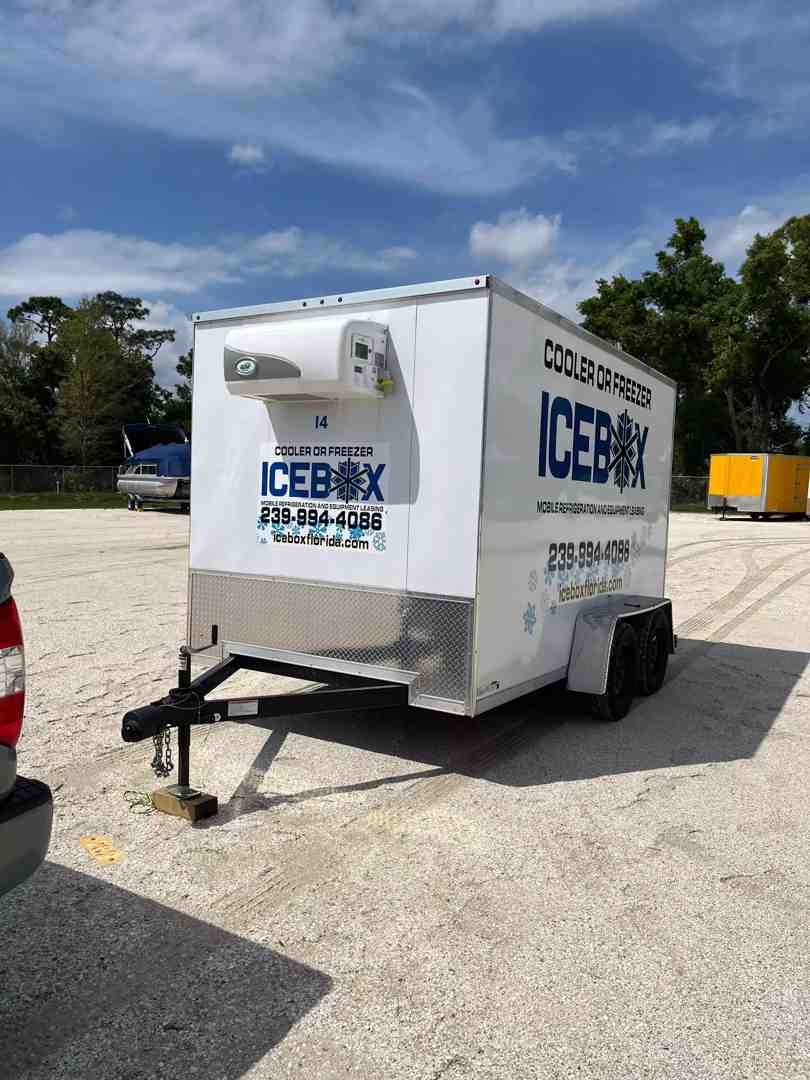
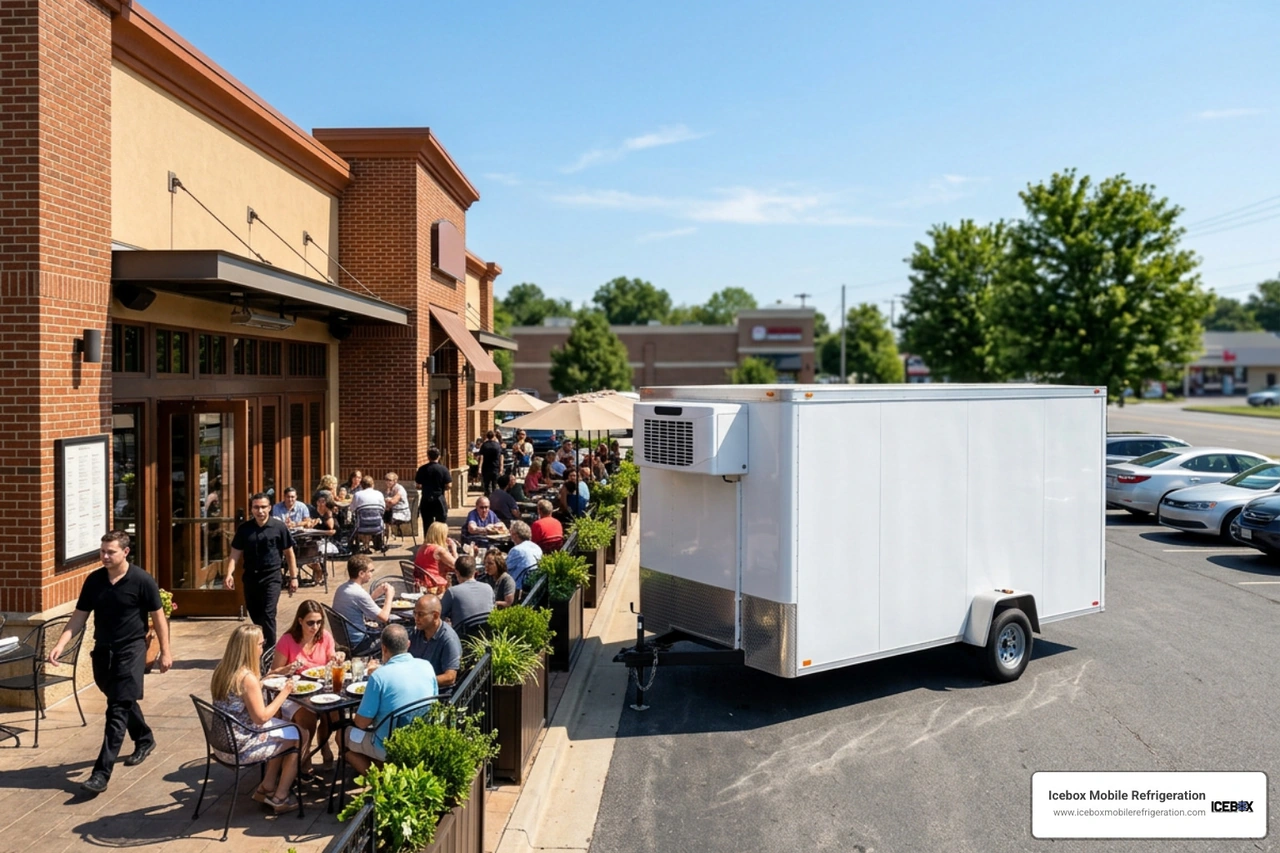
Managing temporary food service refrigeration requirements demands dependable, on-site mobile cold storage trailers that solve immediate capacity bottlenecks. Renting mobile cooler trailers and mobile freezer trailers allows commercial kitchens, caterers, and event operators to expand their cold holding capabilities on demand without expensive facility modifications or permanent construction.
| Mobile Equipment Type | Typical Storage Capacity | Primary Kitchen & Event Application | Key Setup Consideration |
|---|---|---|---|
| Mobile Cooler Trailers (Compact) | 200 to 300 cu. ft. | Event catering staging and short-term inventory overflow | Level parking space and standard 110V circuit |
| Mobile Cooler Trailers (High-Capacity) | 350 to 500+ cu. ft. | Kitchen renovations and high-volume seasonal surge storage | Dedicated 110V 15A/20A power source |
| Mobile Freezer Trailers | 200 to 450+ cu. ft. | Frozen ingredient protection and emergency breakdown backup | Ground-level access and reliable electrical connection |
| Dual-Temp Mobile Configurations | Variable walk-in volume | Multi-zone staging for large festival and institutional retrofits | Dual-zone thermostat management |
Evaluating Primary Food Service Refrigeration Types and Layouts
Commercial food operations require flexible on-site capacity to manage seasonal surges, kitchen retrofits, and catering demands. When planning a temporary cold storage setup, operators must assess daily volume and workflow. For example, high-volume operations handling peak event service benefit from walk-in refrigerated trailers that provide ground-level access, allowing full-sized sheet pan racks to roll directly inside.
For facilities navigating scheduled upgrades or needing temporary staging capacity, mobile cold storage units integrate seamlessly alongside loading docks or exterior service doors. Review our Commercial Kitchen Refrigeration Complete Guide for strategies on maintaining cold holding capacity during operational transitions. Standard commercial roll-in rack dimensions and full-sized sheet pan rack workflows fit conveniently inside walk-in mobile trailers to speed up staging.
Critical Food Safety Standards, Temperatures, and NSF Compliance
Food safety compliance relies on unwavering temperature control. The FDA Food Code requires perishable items to remain strictly at or below 40°F (4°C). The biological reason is clear: between 40°F and 140°F lies the Danger Zone, where harmful bacteria can double in population in as little as 20 minutes. If perishable inventory sits above 40°F for more than two hours, it cannot be safely salvaged and must be discarded.
While standard spoilage bacteria alter food flavor and smell, dangerous pathogens like Listeria monocytogenes can multiply at marginal chill temperatures. Maintaining strict internal temperatures between 34°F and 38°F in mobile cooler trailers effectively suppresses pathogen development. For frozen inventory, mobile freezer units maintain temperatures at 0°F to support food preservation.
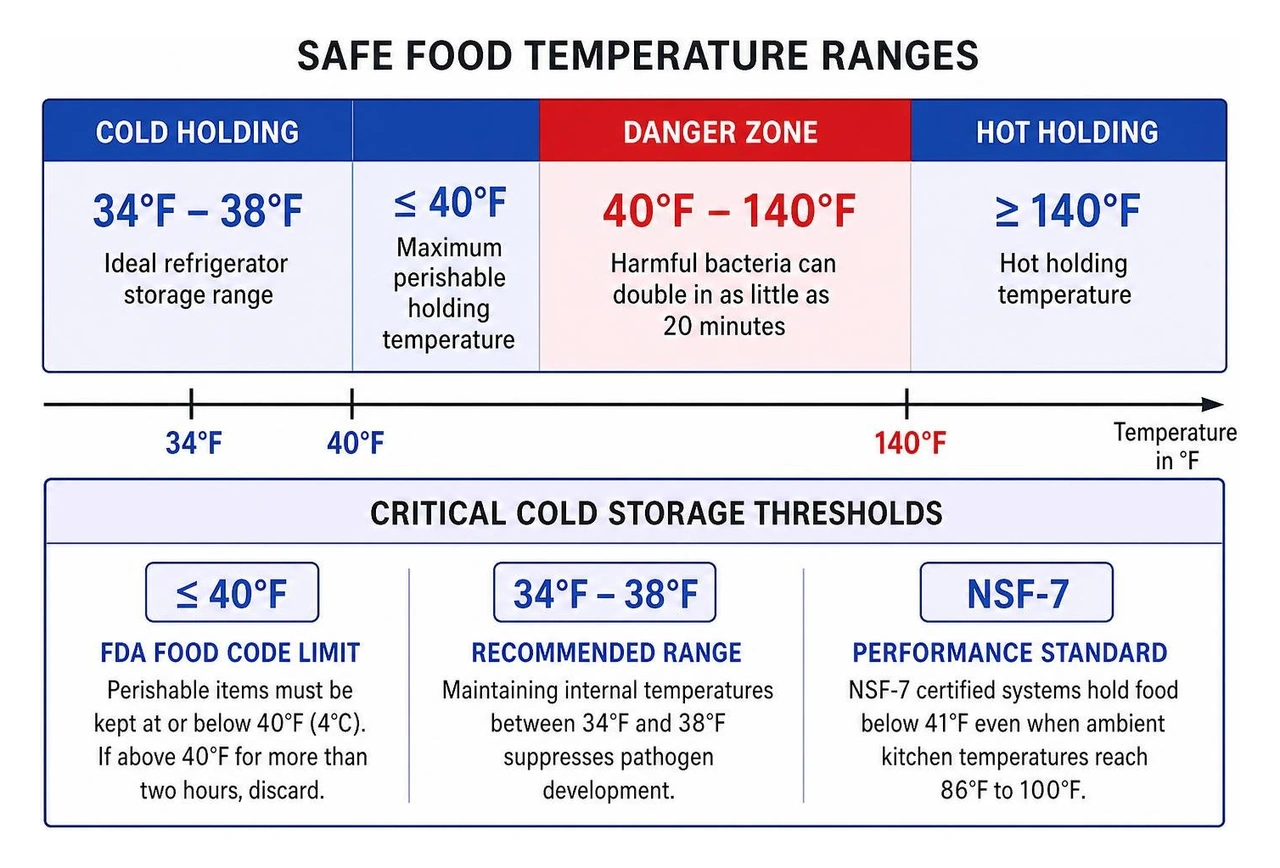
Commercial cooling systems deployed on-site should adhere to NSF-7 standards, confirming holding performance even when ambient outdoor temperatures climb during summer operations. Automated tracking and calibrated temperature probes ensure effortless Hazard Analysis Critical Control Point (HACCP) compliance. Our Food Service Freezer resources highlight how reliable 0°F holding preserves bulk food quality during emergencies and facility remodels.
Energy Efficiency, R290 Refrigerants, and Calculating Long-Term ROI
Renting temporary mobile cold storage units provides significant operational savings compared to off-site cold storage arrangements or emergency inventory losses. Modern refrigerated trailers utilize high-efficiency cooling assemblies and eco-friendly natural refrigerants like R290 (propane), which has zero Ozone Depletion Potential (ODP) and an ultra-low Global Warming Potential (GWP) rating of 3.
When evaluating return on investment for temporary cold storage rentals:
- Spoilage Prevention: Precision temperature holding extends product shelf life and prevents catastrophic food loss during primary equipment failures or facility upgrades.
- Operational Continuity: On-site walk-in access eliminates off-site transit costs, product handling damage, and extra transit fees.
- Energy Savings: Advanced insulation and energy-efficient compressors run efficiently on standard electrical hookups.
To learn more about calculating operational advantages, explore our Commercial Refrigeration Solutions Guide.
How to Manage, Maintain, and Scale Foodservice Cold Storage
Maintaining optimal cooling performance in temporary cold storage trailers requires proper placement, regular airflow checks, and clean operating conditions.
Daily Maintenance Checklists and Troubleshooting Common Cooling Failures
A consistent routine keeps on-site mobile trailers operating reliably throughout rental periods:
- Daily Gasket and Door Checks: Inspect magnetic door gaskets on your mobile trailer to ensure a tight seal. Confirm that walk-in doors latch properly to prevent warm ambient air infiltration.
- Airflow Audits: Verify that interior evaporator fans remain unobstructed. Keep inventory stacked at least 2 inches away from trailer walls and discharge louvers to maintain uniform air circulation.
- Condenser Airflow Inspections: Ensure exterior condenser grates and louvers are clear of dust, leaves, or debris to allow efficient heat rejection.
- Temperature Monitoring: Regularly check digital controller displays and log internal temperatures to maintain food safety compliance.
When troubleshooting temporary cooling setups:
- Elevated Trailer Temperatures: Confirm the 110-volt power connection is secure, inspect door gaskets for gaps, and verify that interior discharge vents are unblocked.
- Excess Frost on Evaporator Coils: Check door sealing and ensure walk-in doors are not left propped open during active loading rushes.
- Continuous Compressor Running: Verify that exterior ventilation clearances around the trailer's cooling unit are unobstructed.
For comprehensive operational best practices, review our Cold Storage Restaurant Guide 2026.
Managing Capacity Surpluses and Emergencies with On-Site Food Service Refrigeration
When catering large outdoor events, managing seasonal production surges, or navigating scheduled commercial kitchen renovations, existing on-site cold storage quickly runs out of room. Furthermore, sudden cooling equipment breakdowns can put thousands of dollars of perishable inventory at risk within hours.
Icebox Mobile Refrigeration provides dependable, on-site temporary cold storage with mobile cooler trailers and mobile freezer trailers across our service locations—including Atlanta, Charlotte, Nashville, Philadelphia, Pittsburgh, Tampa Bay, and Miami. Delivered directly to your commercial site or venue, our walk-in trailers plug into standard 110-volt, 15-amp electrical circuits. Our mobile freezer trailers reliably maintain steady 0°F holding to keep frozen goods protected, while our mobile cooler trailers provide steady 34°F to 40°F holding.
Whether managing a scheduled facility retrofit or coordinating a high-capacity regional catering event, on-site trailers eliminate the coordination friction of off-site staging. To plan your mobile storage setup, see our Catering Cold Storage Complete Guide.
If your facility is planning a renovation, scaling up for peak event volume, or preparing for emergency backup needs, contact our team to discuss your timeline and receive a tailored quote for our flexible mobile refrigeration rentals.
Choose the perfect rental option
Explore our wide range of trailer rentals and find the one that suits your needs
%20(2)-min.webp)
Discover New Blog Posts
Stay updated with our latest blog content.