
Choosing Cold Storage Rental for Healthcare Facilities
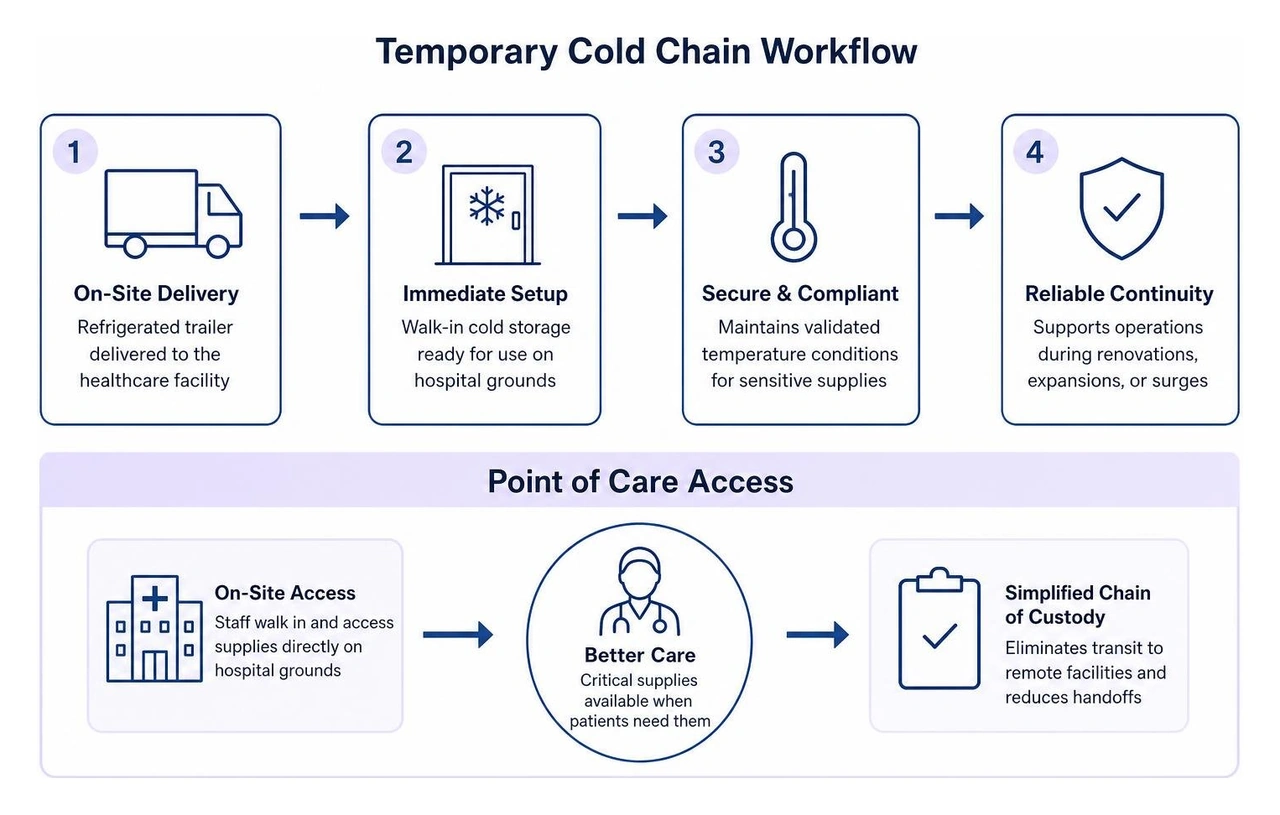
When healthcare operations expand, patient care cannot simply pause for construction or equipment overhauls. Hospital renovations, laboratory retrofits, pharmacy expansions, and seasonal surges frequently demand immediate temperature-controlled capacity. Relying on remote facilities often introduces logistical delays, increased transit risks, and complex chain-of-custody handoffs.
A quick start plan should begin with three essentials: define the required temperature range, estimate the inventory volume, and confirm where the mobile unit can be positioned for secure staff access. Facilities should also identify the department owner responsible for monitoring logs, after-hours access, and escalation if an alarm occurs. Clarifying these details before delivery helps environmental services, pharmacy, laboratory, and facilities teams coordinate the temporary storage workflow without disrupting patient-facing areas.
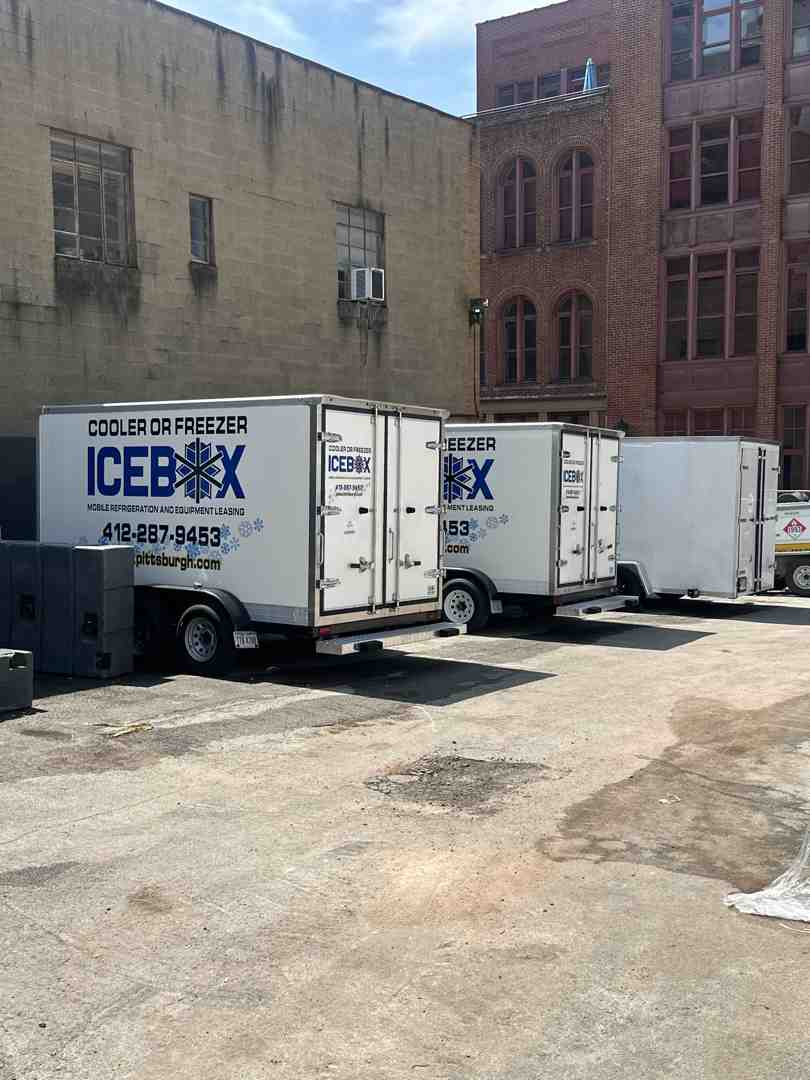
Deploying temporary on-site units bridges this gap seamlessly. With an on-site refrigerated trailer rental, medical staff retain direct, walk-in access to critical supplies right on hospital grounds. This setup eliminates transit time to third-party facilities while keeping inventory fully secure, accessible, and compliant. Whether responding to planned facility modernization or an unpredicted surge in patient admissions, securing reliable cold storage rental for healthcare facilities ensures seamless continuity of clinical operations without compromising biological integrity.
For best results, healthcare teams should plan the unit location around daily movement patterns. The ideal placement minimizes door-open time, keeps clinical carts on a predictable route, and allows authorized staff to reach stored materials quickly during shift changes, emergency department surges, or overnight pharmacy operations. On-site placement also makes it easier to separate quarantined inventory, incoming shipments, and materials awaiting quality release.
Critical Temperature Ranges in Cold Storage Rental for Healthcare Facilities
Maintaining target thermal conditions is essential when handling sensitive biologicals. A standard cold room profile requires precise 2°C to 8°C preservation with uniform thermal distribution (often within ±1°C) to prevent hot spots or localized freezing. Even brief temperature excursions outside these parameters can degrade sensitive active pharmaceutical ingredients, reduce the potency of life-saving immunizations, or compromise patient biopsy samples.
For products requiring sub-freezing conditions, standard mobile freezer trailers maintain reliable environments down to 0°F. Continuous thermal mapping and real-time monitoring verify that sensitive materials remain within validated thresholds throughout their storage lifecycle. Healthcare engineering teams can easily track thermal zones across the entire interior space, ensuring that ambient airflow reaches every shelf evenly.
| Storage Category | Standard Operating Range | Common Healthcare Applications |
|---|---|---|
| Controlled Refrigeration | 2°C to 8°C (36°F to 46°F) | Vaccines, biologics, blood components, diagnostic kits, routine lab reagents |
| Standard Freezer | Down to 0°F (-18°C) | Frozen plasma, select clinical research specimens, frozen control standards |
| Controlled Room Temp (CRT) | 20°C to 25°C (68°F to 77°F) | Medical devices, ambient pharmaceuticals, specific diagnostic chemistry kits |
Materials Preserved Through Cold Storage Rental for Healthcare Facilities
Temporary cold storage serves diverse medical workflows. Hospitals and clinics regularly rely on dedicated units for vaccine stockpile preservation, maintaining stability during immunization campaigns in accordance with CDC vaccine storage and handling recommendations. Specialized facilities handling cold storage for pharmaceuticals use mobile cooler trailers to safeguard temperature-critical medications and protect the overarching pharmaceutical cold chain from expensive excursions.
Commonly stored medical materials include:
- Biologics & Specialty Pharmaceuticals: Monoclonal antibodies, insulin, and therapeutic proteins requiring unbroken cold chains.
- Pathology & Diagnostic Specimens: Biopsies, blood vials, urine archives, and point-of-care test kits awaiting laboratory analysis.
- Clinical Trial Samples: Active study specimens, patient-linked matrices, and investigational drugs requiring strict chain-of-custody documentation.
- Laboratory Reagents: Calibrators, enzymes, and culture media sensitive to ambient heat and humidity fluctuations.
Compliance, Redundancy, and Deployment Best Practices
Modern healthcare operations demand rigorous quality control. As outlined in our updated cold chain storage rental guide 2026, temporary setups must meet the same stringent standards as permanent facility infrastructure. Regulatory audits do not pause simply because storage occurs within a temporary on-site asset; every monitoring log, security procedure, and temperature record must withstand full compliance scrutiny.

Ensuring cGxP, HIPAA, and Regulatory Compliance On-Site
Regulatory bodies—including the FDA, CLIA, and state pharmacy boards—require continuous proof of temperature control and data integrity. Temporary storage units must integrate seamlessly with quality management protocols:
- cGxP Performance Standards: Ensure consistent, validated temperatures across the interior storage footprint, eliminating cold spots and thermal stratification.
- Electronic Recordkeeping: Deploy continuous data logging with automated excursion alerts to meet 21 CFR Part 11 requirements and maintain audit-ready digital archives.
- HIPAA & Chain of Custody: Protect patient-linked specimens using physical access restrictions, secure entry controls, and precise inventory tracking logs that record every entry and exit.
Power Redundancy and Emergency Disaster Preparedness
Power loss from severe weather or infrastructure failure poses an immediate threat to high-value medical inventory. Healthcare facilities must maintain active disaster contingency protocols to protect patient materials during unexpected grid interruptions. In extreme weather scenarios, relying on municipal utility power alone is insufficient.
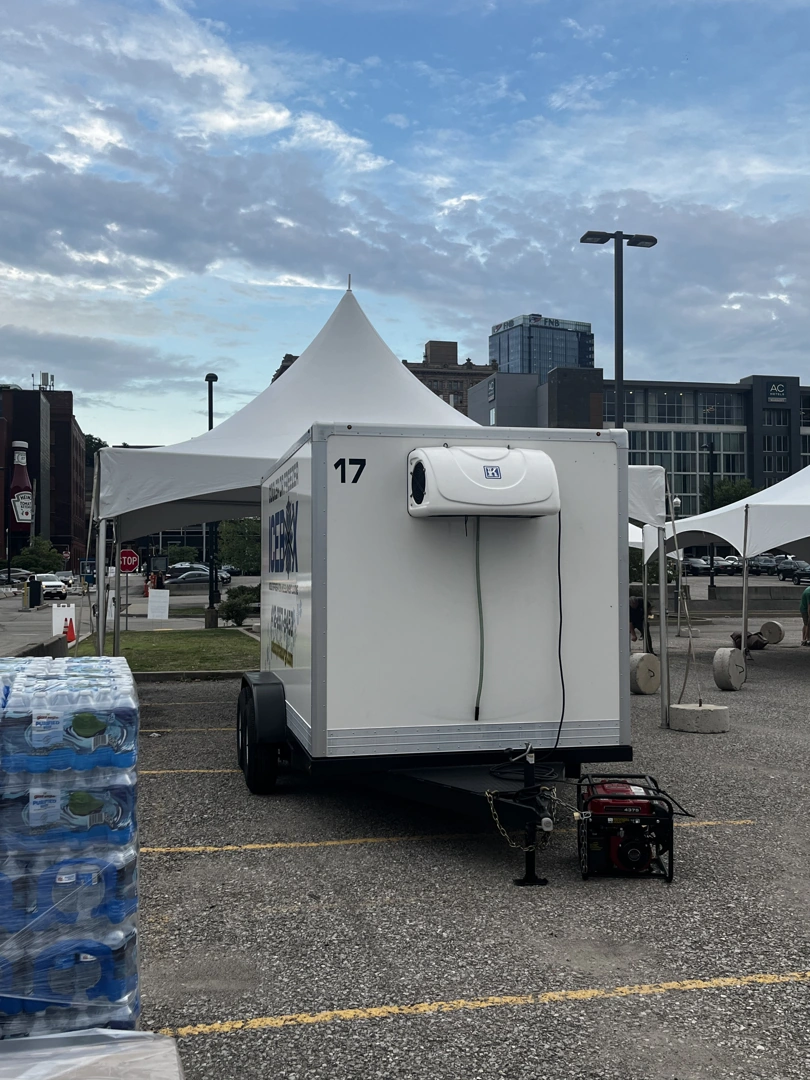
Our emergency response protocols ensure facilities remain operational during unexpected outages. Through our rapid-deployment emergency refrigeration services, facilities can bring mobile units online swiftly, connect to existing backup generators, and maintain uncompromised temperature stability even during regional disaster events.
Evaluating Rental Providers and Deployment Factors
When vetting a rental partner for healthcare applications, assess both hardware capabilities and vendor responsiveness:
- Electrical Compatibility: Look for efficient units that operate on standard 110-volt, 15-amp or 20-amp dedicated circuits for simple plug-and-play installation without heavy rewiring or commercial transformer drops.
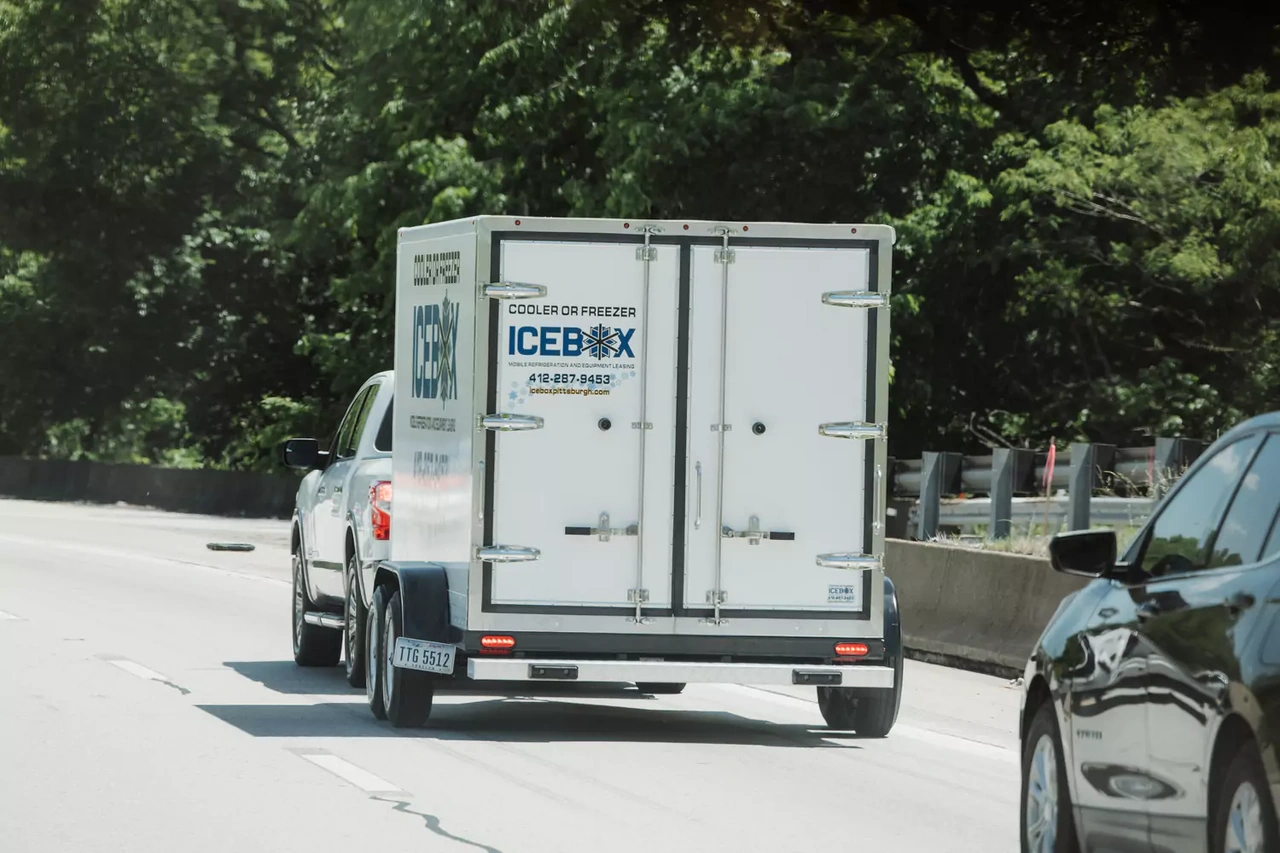
- Physical Footprint & Access: Select walk-in trailers designed to fit smoothly in standard parking bays, loading docks, or facility access alleys while providing ground-level or ramped access for hospital carts.
- 24/7 Technical Support: Confirm that technicians are available around the clock to assist with maintenance, monitoring questions, or emergency troubleshooting.
Pricing for temporary mobile cold storage depends on unit dimensions, required temperature ranges, and rental duration. Because medical storage requirements vary based on facility needs, contact our team directly to discuss specifications and receive a customized quote.
We provide dependable, walk-in mobile cold storage across major East Coast and regional hubs—including Cleveland, OH, Charlotte, NC, Nashville, TN, Tampa Bay, FL, Philadelphia, PA, and surrounding regions. To secure compliant temporary refrigeration or explore options near you, view our full list of mobile cold storage rental locations and request your quote today.
Choose the perfect rental option
Explore our wide range of trailer rentals and find the one that suits your needs
%20(2)-min.webp)
Discover New Blog Posts
Stay updated with our latest blog content.
_compressed.webp)

