_compressed.webp)
Why Proper Produce Cold Storage Matters for Your Business
Produce cold storage refers to using a controlled temperature environment to preserve the quality and safety of fruits and vegetables after harvest. For any business handling perishable goods—from farms and caterers to restaurants—effective cold storage is crucial. It extends shelf life, reduces food waste, maintains nutritional value, prevents bacterial growth, and ultimately maximizes profitability.
The science is simple: low temperatures slow spoilage. In fact, degradation activity can double for every 10°C rise in temperature, making immediate cooling after harvest critical for quality. Even a few hours of delay can significantly reduce shelf life.
For businesses needing flexible capacity for seasonal peaks, special events, or emergencies, mobile cold storage units are an ideal solution. These on-site units provide immediate cold storage without the cost of permanent infrastructure.
Effective preservation starts with understanding that different types of produce have unique needs. For example, root vegetables require cold, high-humidity storage (32–40°F), while winter squash prefers warmer, drier conditions (50–60°F).

A Practical Guide to Produce Cold Storage
This section provides a step-by-step guide to effectively using on-site cold storage for your fresh produce, from initial preparation to choosing the right mobile solution.
Preparing Produce for Optimal Storage
Before produce enters a produce cold storage unit, proper preparation is key to maximizing its shelf life.
First, harvest produce at peak maturity for the best flavor and texture. Immediately after, sort and grade your items, storing only pristine, undamaged produce. As our research shows, "only store pristine produce, as damage provides entry points for rot and mold." Process any damaged items right away.
Next, pre-cool your produce to rapidly remove "field heat." This step is critical, as delaying cooling by even a few hours can significantly reduce quality. Experts note, "precooling is crucial because it removes field heat from produce immediately after harvest, which is essential for maintaining quality and preventing deterioration." Ideally, pre-cool within 1-2 hours of harvest, which can often be done on-site with a mobile cold storage unit.
Some produce, like onions, garlic, and winter squash, benefits from curing. This process involves hardening their skins in a warm, dry, well-ventilated area for one to three weeks, creating a natural protective barrier.
Finally, be gentle with cleaning. For most root vegetables, simply brushing off excess soil is enough. Our research suggests, "washing is not necessary and can lead to rot if not dried completely." If you must wash leafy greens, ensure they are dried thoroughly, as excess moisture is the enemy of long-term produce cold storage.
For more in-depth information, explore our guide on Food Spoilage Prevention.
Optimal Temperature and Humidity for Different Produce
Successful produce cold storage requires understanding that each fruit and vegetable has a unique "sweet spot" for temperature and humidity.

Most produce does well between 32°F and 40°F with high humidity, but there are key differences:
- Cold & Moist (32-40°F, 95-100% RH): Ideal for root vegetables (carrots, beets) and leafy greens. High humidity prevents wilting.
- Cool & Dry (50-60°F, 50-70% RH): Best for winter squash, pumpkins, and pears. These can suffer chilling injury if stored too cold.
- Onions & Garlic (32-40°F, 70-75% RH): Require cool, dry, and well-ventilated conditions. Never store with potatoes.
Managing ethylene gas is also critical. Ethylene is a natural ripening agent released by fruits like apples and tomatoes. Our research emphasizes, "ethylene gas emitted by fruits can cause vegetables to ripen more quickly, necessitating separate storage." Always keep ethylene-producing fruits away from sensitive vegetables like carrots or lettuce.
Here is a simplified guide:
- Root Vegetables (Carrots, Beets): 32-40°F, 95-100% RH. Store in perforated bags.
- Potatoes: 38-40°F, 90-95% RH. Keep in a dark, ventilated area, away from onions.
- Onions & Garlic: 32-40°F, 70-75% RH. Use mesh bags in a cool, dry place.
- Leafy Greens (Lettuce, Spinach): 32-35°F, 95-100% RH. Keep slightly damp in breathable bags.
- Apples & Pears: 30-35°F, 90-95% RH. Store separately from sensitive produce.
- Winter Squash & Pumpkins: 50-55°F, 50-70% RH. Ensure good air circulation.
- Cabbage: 32-35°F, 90-95% RH.
For a comprehensive list, consult the Cold Storage Chart and Reference Guide from Cornell University.
Choosing the Right On-Site Produce Cold Storage Solution
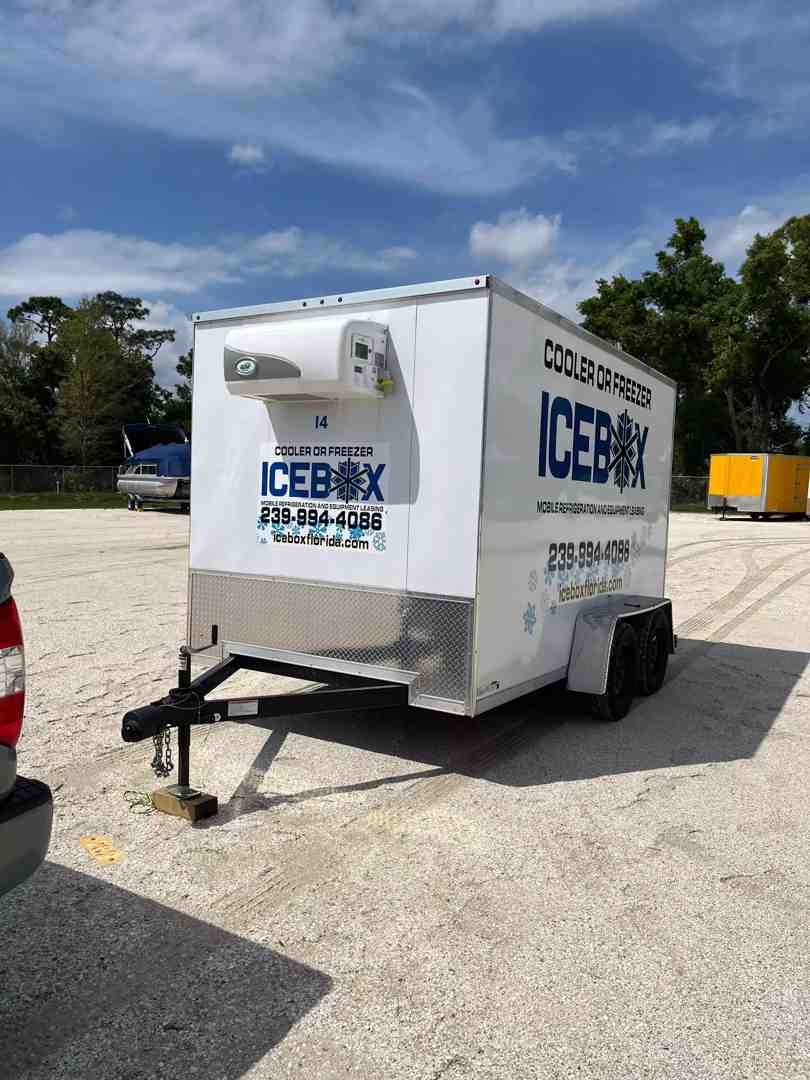
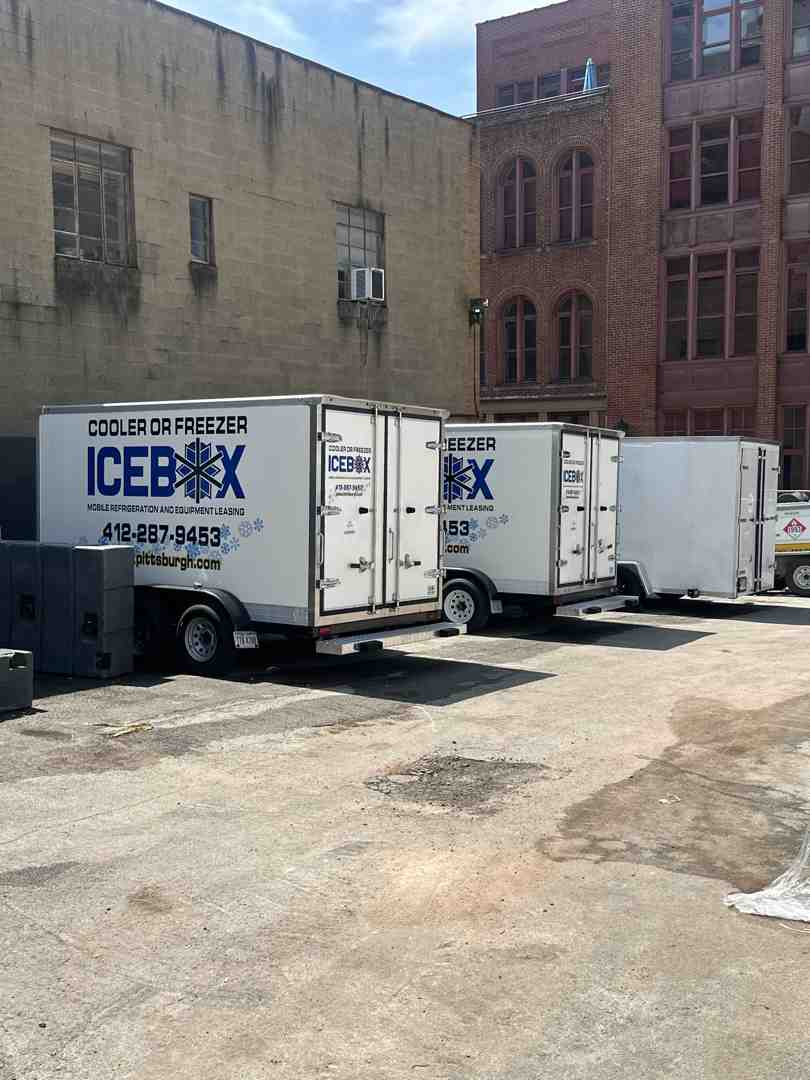
Once you know your produce's needs, select the right produce cold storage solution. For businesses needing flexibility for seasonal work, events, or on-site access, our mobile cold storage units are an ideal choice.
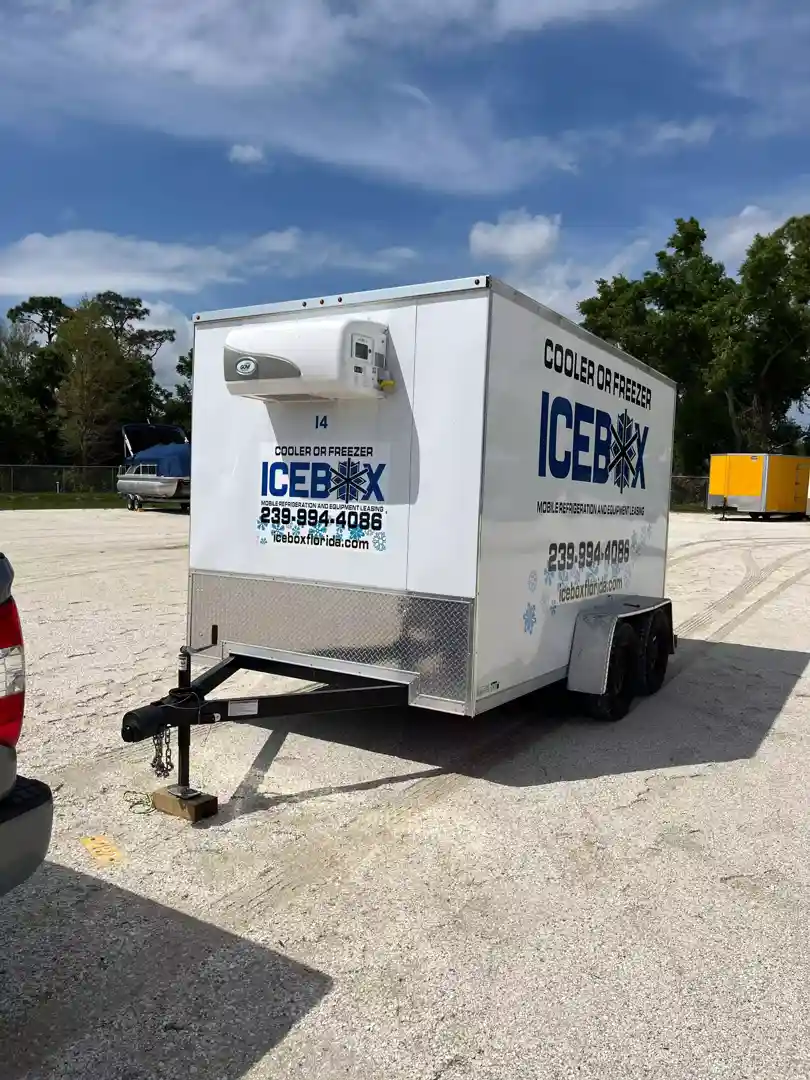
First, assess your capacity needs, whether for a farmer's seasonal harvest, a caterer's large event, or a restaurant's overflow. Our mobile cooler trailers come in various sizes to meet diverse requirements.
These units are perfect for seasonal overflow, allowing you to rent capacity only when you need it, avoiding the capital expense of permanent structures. For events, on-site refrigeration is a game-changer, streamlining operations and ensuring food safety. Explore our Mobile Cooler Trailer options to see how they fit your needs.
We also offer mobile freezer trailers for items that require freezing. These units provide reliable frozen storage, operating at standard freezer temperatures (at or above 0°F). A key advantage is their power requirement: our trailers run on a standard 110-volt outlet, making setup easy at any location.
Finally, we deliver our mobile cold storage units directly to your site—be it a farm, event venue, or restaurant. We provide prompt delivery across our East Coast service areas, including Charlotte, NC, Cleveland, OH, Detroit, MI, and Miami, FL, ensuring your unit is placed for convenient and immediate use.
Best Practices for Managing Your Mobile Cold Storage
Once your mobile produce cold storage unit is set up, effective management is crucial for freshness and safety.
- Ensure Air Circulation: Arrange produce to allow air to flow freely. Avoid packing shelves too tightly or stacking boxes against walls. Use perforated containers to improve airflow.
- Use FIFO: Implement a First-In, First-Out (FIFO) inventory system. Label produce with storage dates to ensure older items are used first, minimizing waste.
- Monitor Temperature: Check and log the unit's temperature at least twice daily to quickly identify any fluctuations.
- Clean Regularly: Routinely clean all interior surfaces with food-safe agents to prevent microbial growth and cross-contamination. Ensure the unit is dry before reloading.
- Prevent Cross-Contamination: Store raw produce separately from cooked or prepared foods. Use separate bins for different types of produce, especially ethylene producers.
By following these practices, you can maximize the effectiveness of your mobile cold storage. Learn more from our insights on Portable Walk-In Coolers.
Benefits and Modern Solutions for Your Business
The right produce cold storage solution does more than keep things cool—it transforms your business operations, protects your investment, and helps you better serve your customers.
Maximizing Benefits for Farmers, Caterers, and Retailers
Whether you're a farmer, caterer, or retailer, on-site produce cold storage is a silent partner protecting your profits and reputation.
For farmers, mobile cold storage means you can extend your selling season. Instead of being forced to sell immediately at harvest, you can store produce at peak quality and release it to market when demand is higher. This control turns potential waste into profit.
For caterers and event planners, our mobile cooler trailers help you meet customer demand for fresh products with confidence. With ingredients kept crisp and vibrant on-site, you can ensure top quality from preparation to service, all while streamlining your workflow.
Proper cold storage is your best defense against reducing spoilage-related revenue loss. By slowing deterioration, you ensure more of what you grow or buy reaches the customer instead of the compost bin. For businesses at farmers' markets or pop-ups, our mobile units offer flexible storage that keeps your display fresh all day, without the hassle of melting ice.
And if your primary cooler fails, our 24-hour emergency service is your lifeline. A mobile unit can serve as an emergency backup during primary cooler failure, delivered swiftly to prevent catastrophic losses. For more on handling these situations, see our Emergency Cooling Solutions Complete Guide.
On-Demand Solutions for Modern Produce Cold Storage Needs
Today's market demands flexibility, and on-demand produce cold storage allows your business to adapt quickly.
Our mobile cold storage units offer flexibility for seasonal peaks, eliminating the need for expensive permanent infrastructure that sits idle most of the year. You rent extra capacity only when you need it, managing resources efficiently. Learn more about how our Mobile Cold Storage Units can adapt to your business.
This model also provides scalable solutions for business growth. As your operation expands, your refrigeration capacity can grow with you—just call us when you need more space.
The on-site convenience for events and catering is best. A mobile cooler or freezer trailer becomes an extension of your workspace, minimizing handling time and reducing the risk of temperature fluctuations.
At Icebox Mobile Refrigeration, we deliver reliable, on-demand solutions. Our easy-to-use walk-in trailers operate on standard 110-volt power and are delivered directly to your location. With reliable, 24-hour emergency service, we're ready to support businesses throughout the East Coast, including in Charlotte, NC, Cleveland, OH, Detroit, MI, Miami, FL, and Nashville, TN. We bring the cold storage to you, making it simple to protect your produce and your business.
Ready to experience the benefits of flexible, on-site produce cold storage? Find Your Mobile Refrigeration Rental today and see how easy it is to keep your produce—and your profits—fresh.
Choose the perfect rental option
Explore our wide range of trailer rentals and find the one that suits your needs
%20(2)-min.webp)
Discover New Blog Posts
Stay updated with our latest blog content.